
Automotive – Our latest thinking
www.ey.com
Oct. 3, 2026, 4:13 a.m.
The automotive industry faces unprecedented disruption driven by urbanization, shifting consumer preferences, and rapid digital innovation. Traditional manufacturers must undergo transformative organizational changes to remain competitive in the evolving mobility and smart manufacturing landscape. Success requires adopting startup mentalities, recruiting emerging talent pools, and engaging digitally-native consumers through innovative business models. Companies must fundamentally reshape their cultures and operational practices to navigate this new ecosystem. The transformation presents substantial commercial opportunities for organizations capable of adapting at scale. EY positions itself as a strategic partner equipped with deep technology and innovation expertise, a network spanning multiple sectors, and comprehensive methodologies to help automotive incumbents transition their business models and competitive positioning for sustained success in tomorrow's market.
Share on
Automotive Cybersecurity & Vehicle Regulations
micromotiv.com
Oct. 3, 2026, 4:13 a.m.
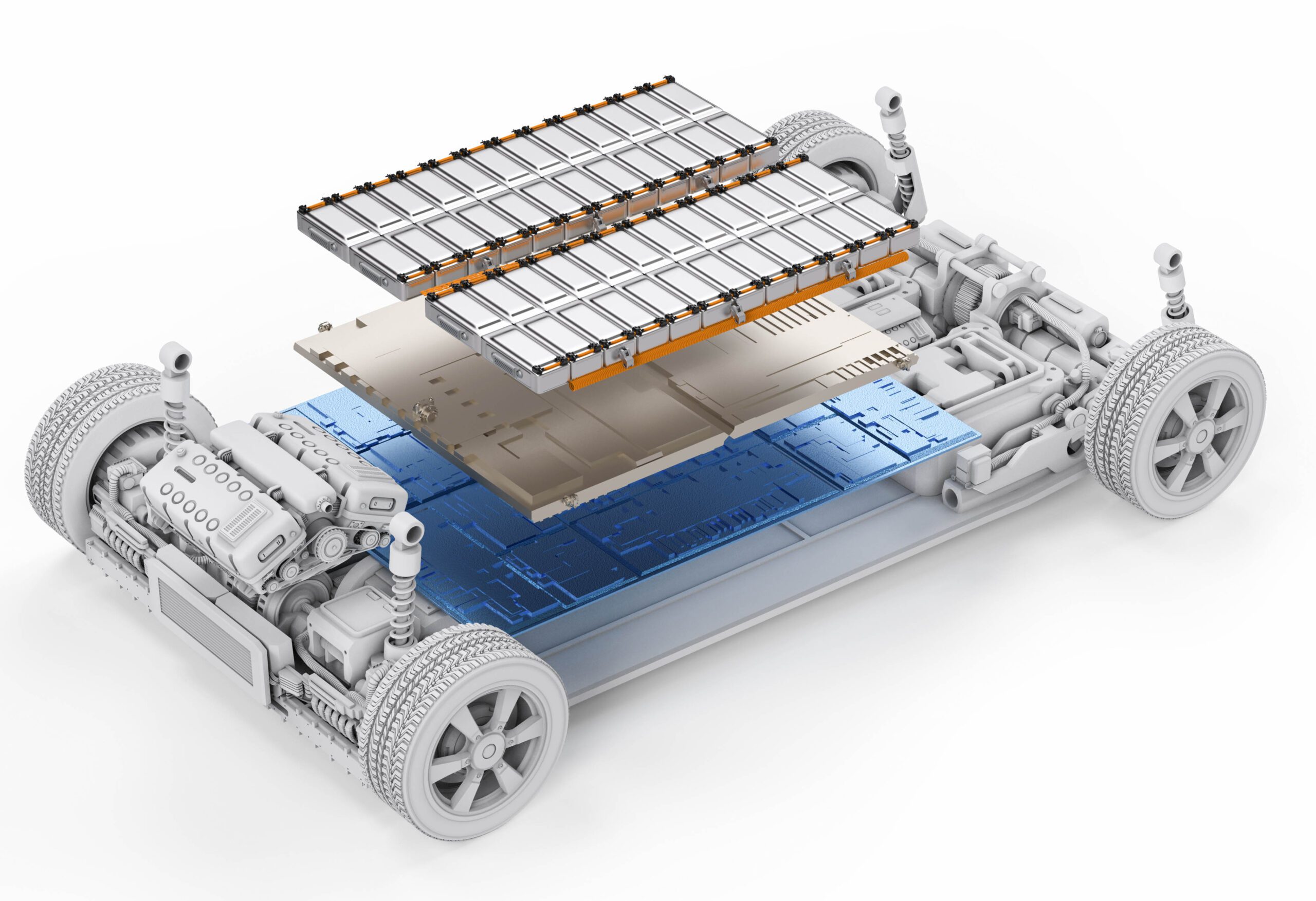
India's automotive cybersecurity landscape will undergo significant transformation as AIS-189 and AIS-190 standards become enforceable from 2027, requiring all original equipment manufacturers (OEMs) and Tier-1 suppliers to demonstrate compliance with UN-R155 and R156, ISO/SAE 21434, and threat analysis and risk assessment (TARA) frameworks. While industry awareness of these standards is widespread, a critical implementation gap exists among senior engineers who understand the theoretical concepts but lack practical experience encrypting CAN payloads, verifying signed boot images, or configuring SecOC-protected protocol data units (PDUs). This specialized professional development program addresses this gap by pairing weekly conceptual modules with guided laboratory exercises, enabling participants to build working code and configurations they can defend during design reviews and homologation audits. The curriculum spans cryptographic implementations including AES modes and HMAC, hardware security modules (HSM) and secure boot mechanisms, AUTOSAR security configuration, and practical defense-in-depth strategies. Originally developed for Maruti Suzuki engineers and now extended for full-time professionals, the program requires foundational C programming knowledge and Linux familiarity, delivering immediately applicable work products grounded in real-world automotive cybersecurity challenges.
Share on
Building, Deploying and Scaling Autonomous Robotaxi Infrastructure
finance.biggo.com
Oct. 3, 2026, 4:12 a.m.
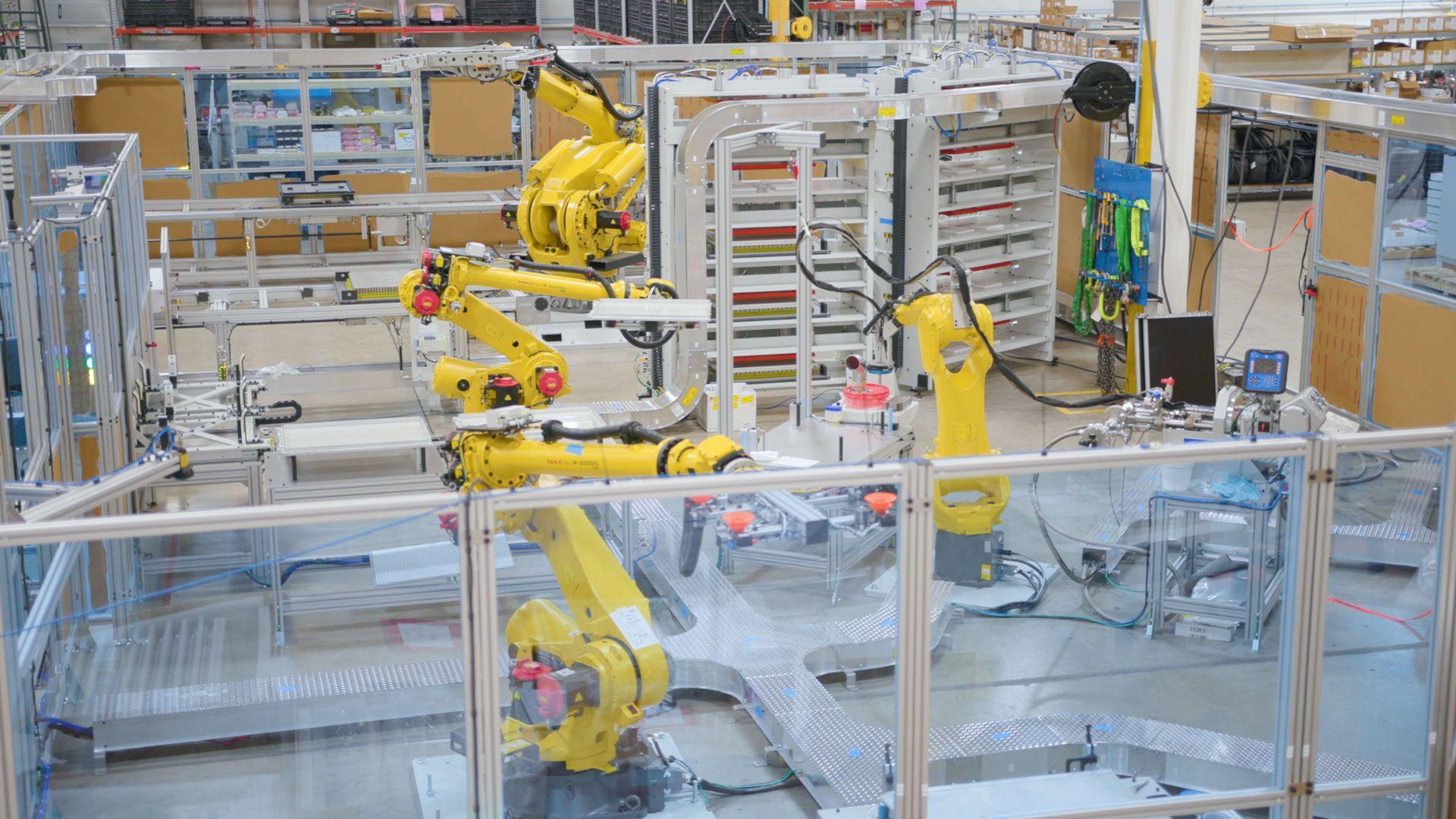
AUTNMY founder George Kalligeros argues that decentralized infrastructure represents the next critical bottleneck in autonomous robotaxi scaling. Rather than vehicles traveling miles to centralized depots for charging, cleaning, and inspection—a process consuming up to six hours daily and representing approximately 40% of pit stop costs—Kalligeros proposes deploying portable robotic service pods directly within operating zones. These pods, equipped with robotic arms for maintenance tasks, can reduce service events from two hours to just 30 minutes, with each pod handling 20-30 services daily and deployable within 8-12 weeks. Leveraging his previous success co-founding Push Me, a battery-swap infrastructure company that scaled to 5,000 locations across 40 cities before acquisition by Tier Mobility, Kalligeros has secured a $10 million seed round for Aseon to engineer and field-test the technology. This decentralized approach addresses the fundamental constraint preventing robotaxi expansion beyond current markets, making distributed infrastructure the key to achieving viable fleet economics and enabling scaling to 15-plus markets.
Share on

2026 Global Auto Supply Chain Restructuring & Opportunities-Rongwei Car International Trading Co., Ltd.
www.rongweiusedcar.com
Oct. 3, 2026, 4:12 a.m.
The global automotive industry is experiencing unprecedented supply chain restructuring in 2026, driven by geopolitical tensions, trade protectionism, critical mineral competition, and carbon tariff implementation. This seismic shift is dismantling decades of Western-dominated linear supply chains, creating historic opportunities for China's automotive sector to transition from scale expansion to deep global integration. Traditional multinational automotive giants struggle with structural inefficiencies—lengthy supply chains, slow R&D cycles, and high costs—during their electrification and intelligence transitions, opening a critical development window for Chinese players. Leading Chinese automotive enterprises are strategically establishing overseas factories and localizing technology, capital, and supply chains across Southeast Asia, Latin America, and the Middle East. This vertical evolution from simple vehicle exports to territorial supply chain integration mitigates tariff risks while embedding operations into local ecosystems. However, significant challenges accompany this expansion, including complex labor laws, environmental standards, intellectual property concerns, and cultural integration across diverse markets. Chinese automakers must navigate supply chain elasticity while managing the costs and complexities of supporting industrial infrastructure development in less-developed overseas regions.
Share on

Data monetization for CFOs: How to find, assess and execute opportunities
www.pwc.com
Sept. 30, 2026, 1:13 p.m.
Data monetization presents significant operational challenges for chief financial officers seeking to commercialize organizational data assets. Organizations must navigate complex buyer identification, requiring detailed knowledge of market needs that typically remains undisclosed. Additional hurdles include delivering customized compliance, legal, and technical documentation addressing point-in-time construction, timestamp methodology, collection processes, and survivorship bias considerations. Pricing strategy proves critical—successful firms base valuations on buyer assessments through transparent, consistent methodologies rather than internal evaluations. Multi-channel delivery mechanisms, including cloud storage ingestion, secure file transfer, and API integration, demand flexible management alongside variable trial periods and refresh frequencies. Many organizations lack the infrastructure and expertise to manage these complexities efficiently and cost-effectively. Strategic partnerships offer viable solutions, with specialized partners providing market pricing intelligence, trial management expertise, and buyer positioning strategies while potentially commercializing data under their own brand to mitigate risk. Once commercialization processes stabilize, data owners can evaluate whether continuing, expanding, or internalizing partnerships best serves their interests.
Share on
ISO/SAE 21434 — cybersecurity with type approval behind it
www.internetoftrust.com
Sept. 30, 2026, 1:13 p.m.
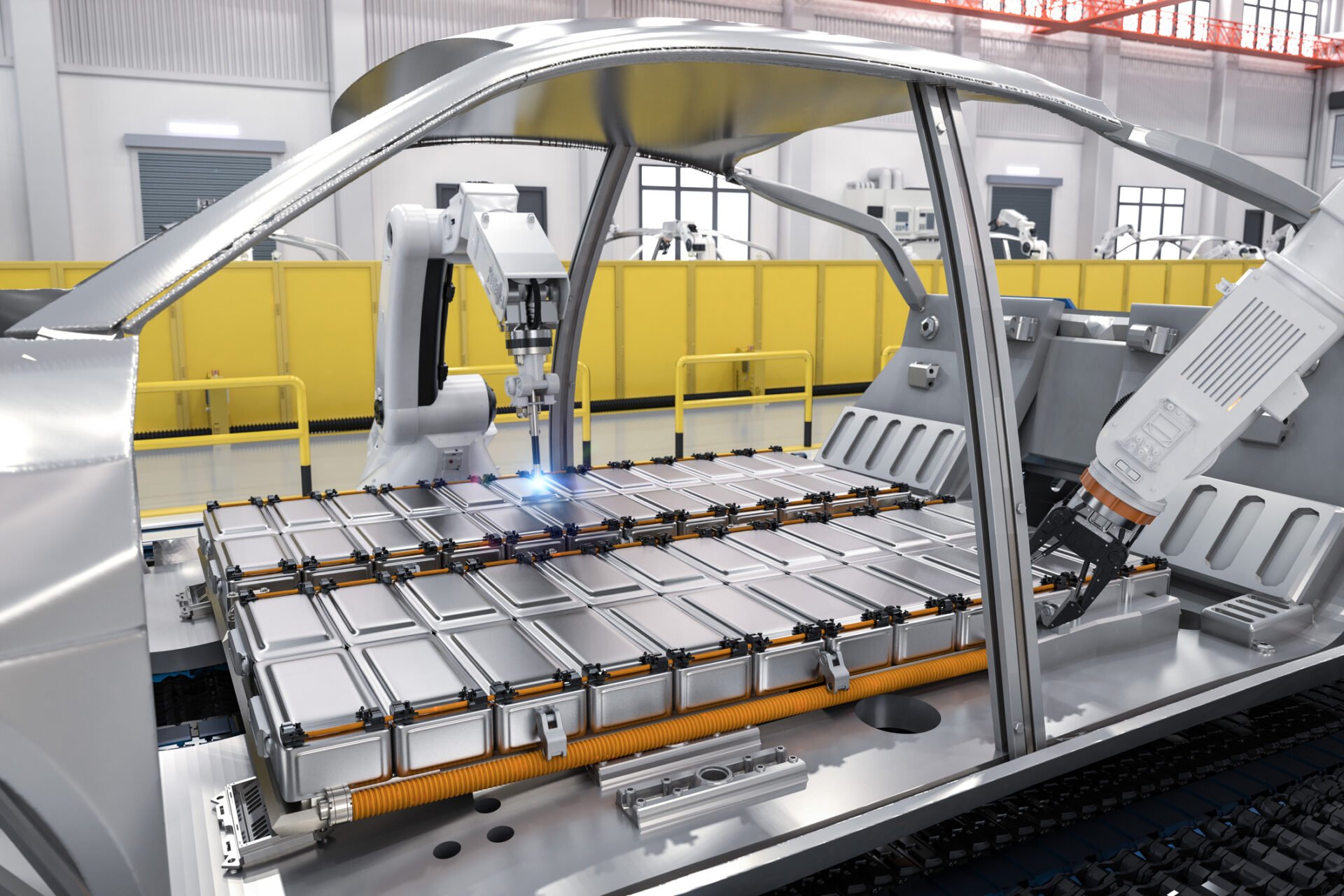
ISO/SAE 21434 establishes a comprehensive cybersecurity framework for vehicles across their entire lifecycle, encompassing organisational capability through a Cyber Security Management System (CSMS), threat and risk analysis at item level, cybersecurity goals, product development controls, validation, incident response, and end-of-life decisions. Its defining feature is enforcement via UNECE regulations R155 and R156, which mandate OEMs to operate audited CSMS and demonstrate vehicle cybersecurity to type-approval authorities as a condition of market homologation. This regulatory requirement creates contractual obligations cascading through supply chains via cybersecurity interface agreements, making 21434 compliance a de-facto supply condition for Tier-1 and Tier-2 suppliers and semiconductor vendors. Distributed threat and risk analysis, determining attack surface ownership and control allocation, has become critical to supply-chain relationships. Unlike traditional certification regimes, automotive assessment occurs through type-approval technical services and CSMS auditors rather than Common Criteria laboratories, though toolboxes interconnect—automotive secure elements carry CC certificates, HSM firmware carries SESIP claims, and semiconductor vendors increasingly cite multiple standards in their work packages.
Share on
Aligning Software Identity, Campaign Authorization, and Vehicle Compatibility in AIS-190 SUMS Governance
www.autosecinnovation.com
Sept. 30, 2026, 1:13 p.m.
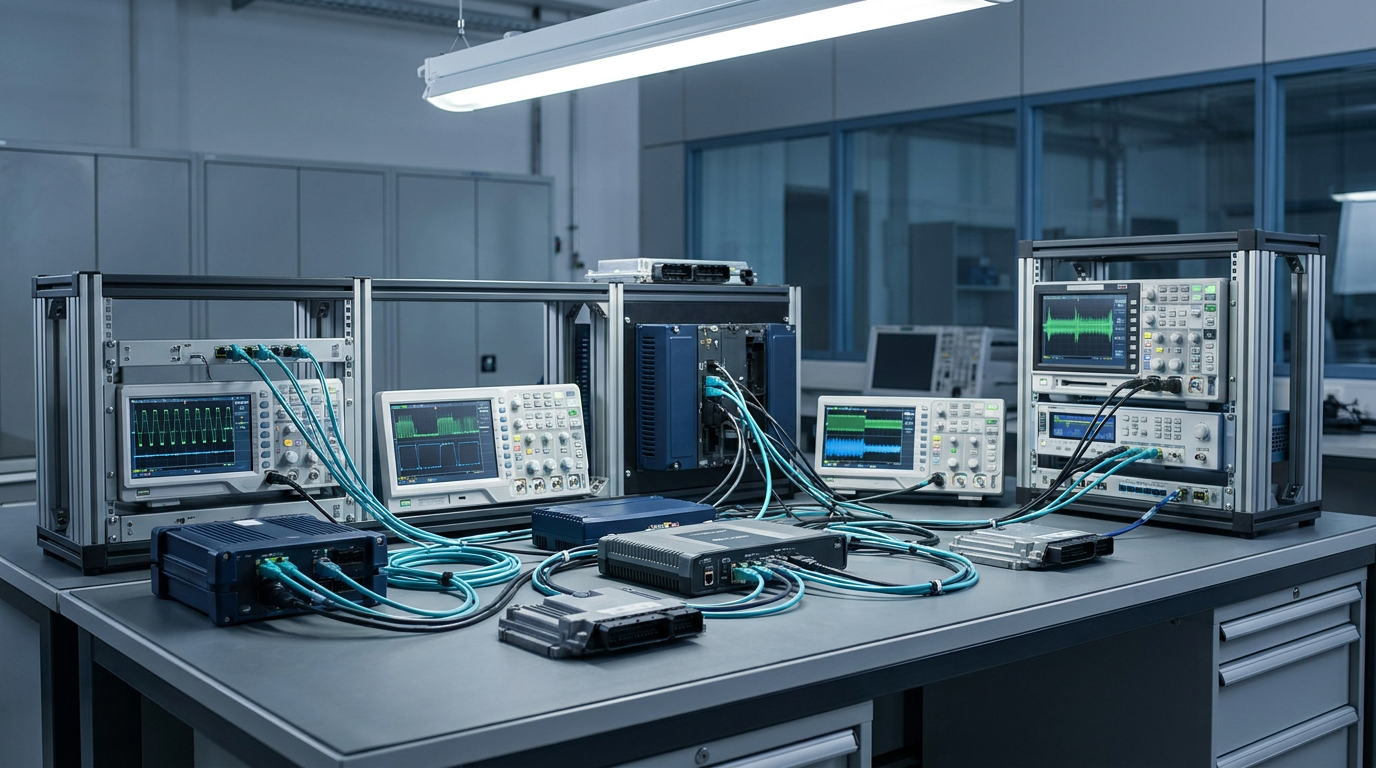
Automotive OEMs face significant operational challenges in deploying over-the-air (OTA) software updates across fragmented organizational and technical silos. Under Indian standard AIS-190—which aligns with UN Regulation No. 156—manufacturers must establish integrated governance ensuring every software modification is evaluated, cryptographically secured, verified against target vehicle configurations, and auditable throughout the vehicle lifecycle. Currently, critical update stages operate disconnected: cryptographic signing occurs within build pipelines, fleet campaign authorizations reside in commercial telematics backends, and vehicle compatibility checks default to individual ECU bootloaders. This fragmentation creates severe technical, functional safety, and compliance vulnerabilities. For example, incompatible hardware revisions can reach vehicle cohorts, causing post-flash initialization failures and diagnostic trouble codes. AIS-190 compliance requires moving beyond isolated security features toward an integrated architecture where software identity, campaign authorization, and vehicle compatibility form an unbroken chain of custody. This holistic approach ensures systematic evaluation and accountability across enterprise release pipelines, cloud campaign managers, and in-vehicle electronic control architectures, mitigating systemic failure modes during critical software transitions.
Share on
Connected Vehicle Subscription Tiered Feature-On-Demand Monetization Market Research Report 2034
marketintelo.com
Sept. 30, 2026, 1:12 p.m.
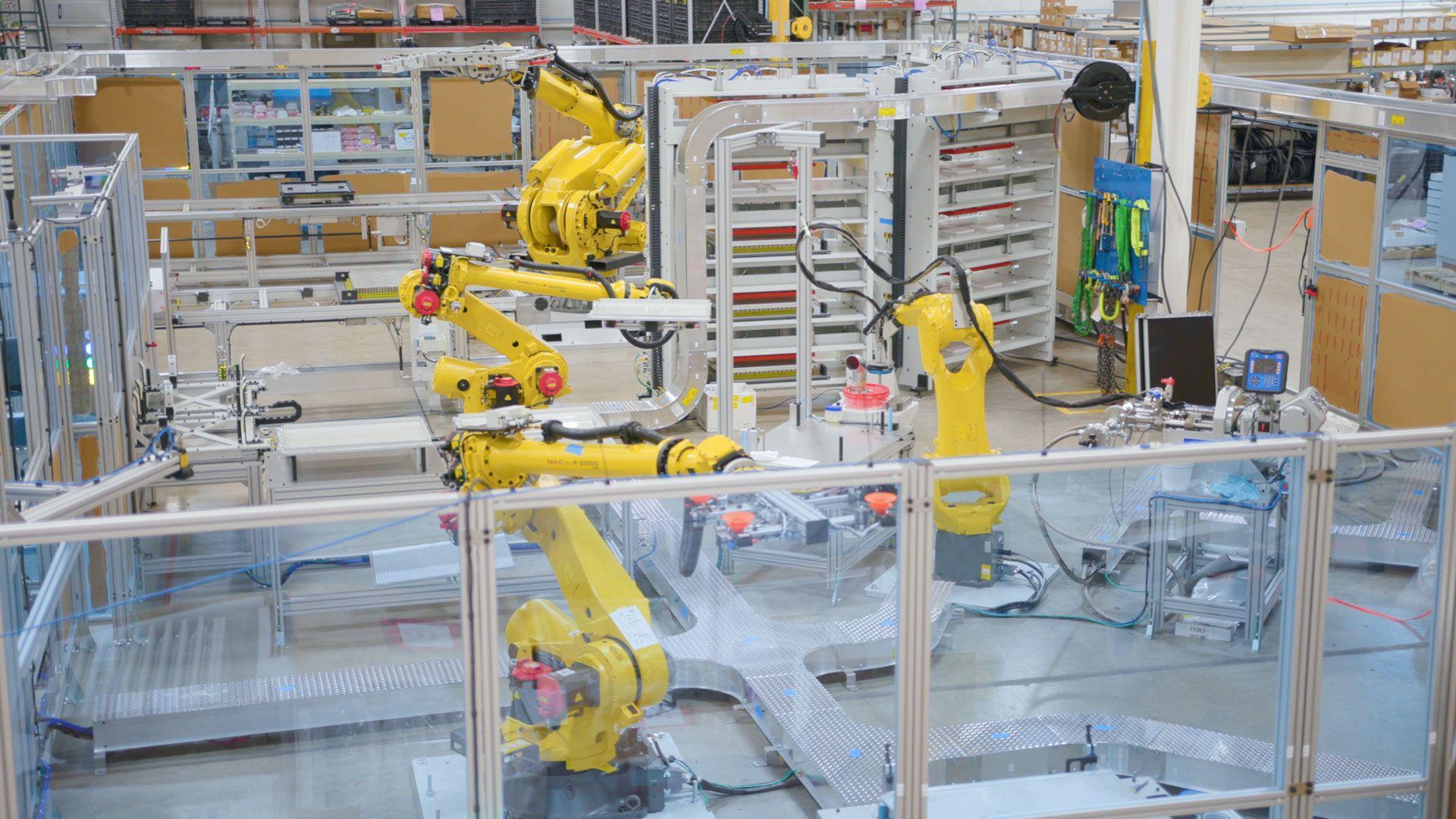
The global connected vehicle subscription tiered feature-on-demand monetization market reached $3.4 billion in 2025 and is projected to grow to $18.1 billion by 2034, representing a compound annual growth rate of 20.0%. This market represents a fundamental shift from hardware-centric to software-defined vehicles (SDVs), driven by over-the-air (OTA) software update infrastructure that enables manufacturers to continuously activate, deactivate, or upgrade vehicle features throughout a car's lifecycle. Rather than concluding at the point of sale, automakers now generate recurring digital revenue streams by unlocking embedded features across four key categories: Emergency Assistance & Safety Services, Advanced Connectivity & Remote Control, Autonomous Driving Capability Unlock, and Personalized In-Vehicle Experience. Multiple monetization models are emerging, including tiered monthly subscriptions, pay-per-use microtransactions, one-time feature purchases, and usage-based insurance integration. Base trim vehicles now carry the same hardware as premium variants but with capabilities locked at the firmware level, allowing drivers to subscribe to heated seats, advanced navigation, autonomous driving assistance, or premium audio post-delivery. Industry analysis indicates software content could generate between $2,000 and $5,000 in annual recurring revenue per vehicle if fully monetized, fundamentally reshaping automotive revenue dynamics and creating a substantially larger lifetime value opportunity per unit sold.
Share on

Robotaxi Depot Operator: Definition, Roles & Companies
dockduty.com
Sept. 30, 2026, 1:12 p.m.
A robotaxi depot operator manages ground operations for autonomous ride-hailing fleets at fixed facilities, handling parking, charging, cleaning, inspection, staging, maintenance coordination, and incident response. The role addresses essential work that human taxi drivers traditionally perform but becomes unassigned when drivers are removed from vehicles. Depot operators fall into three categories: first-party operators like Tesla and Zoox that own and staff their own facilities; third-party operators such as Moove and Avis Budget that manage depots under contract for networks like Waymo; and owner-operated facilities using home chargers, viable only for single vehicles. As of September 2026, no depot operator yet serves privately owned autonomous vehicles, though such arrangements are planned. The depot operator role remains distinct from seven other fleet management functions. For Tesla's Cybercab, the role encompasses nine specific jobs tailored to the vehicle's design and charging system. Understanding who holds operational authority—whether the fleet owner, independent contractor, or vehicle owner—is critical to distinguishing between operator types in the growing autonomous vehicle sector.
Share on
Global supply chains: a foresight report on risk and resilience: annex A – evidence and trends for supply chain vulnerability and resilience - GOV.UK
www.gov.uk
Sept. 26, 2026, 4:15 a.m.
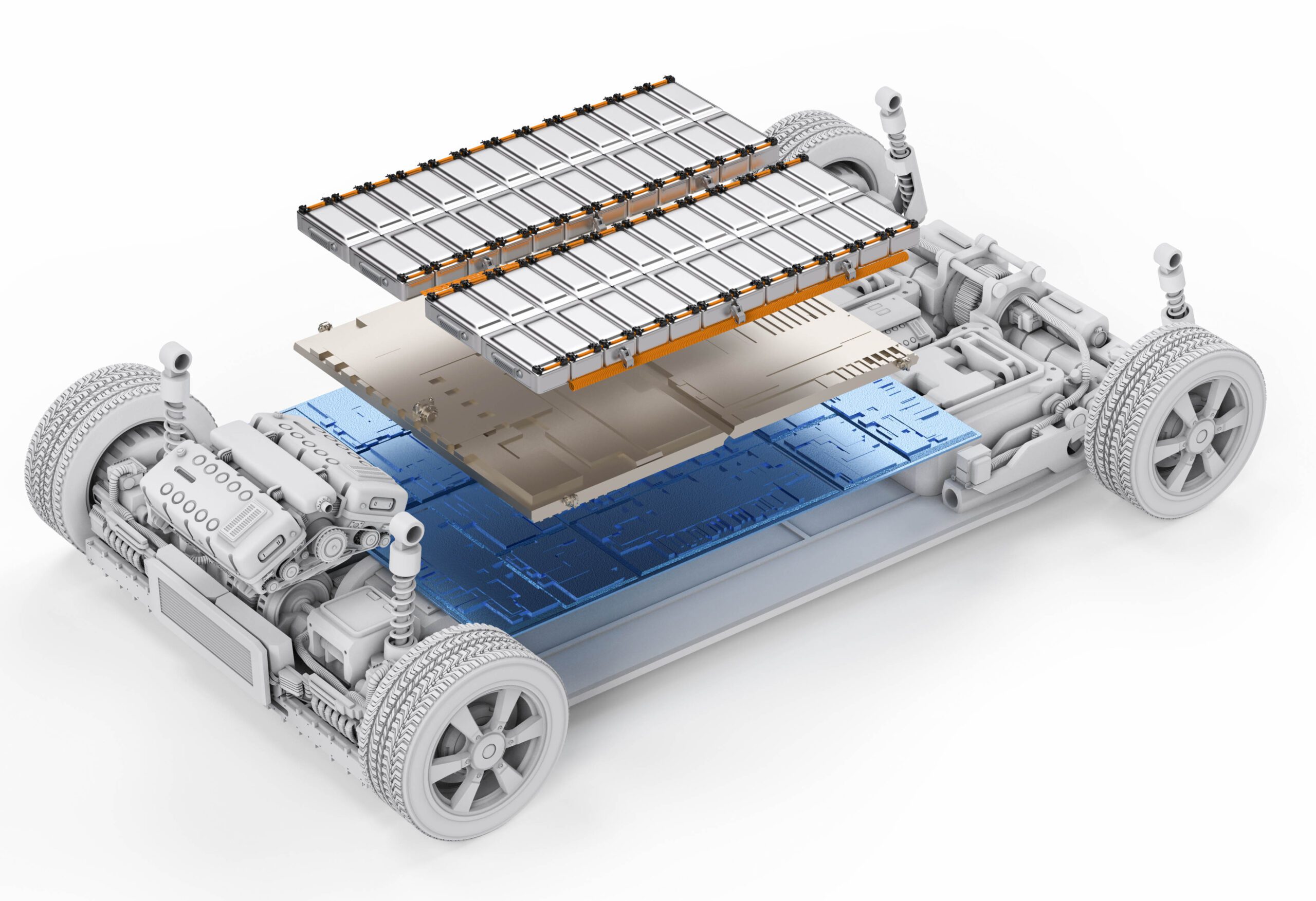
Global supply chains represent intricate networks spanning multiple countries, with production, transport, and coordination stages that extend far beyond what national trade data alone can reveal. The UK government's foresight report on supply chain risk and resilience examines vulnerability through three interconnected dimensions: firm-level factors including sourcing strategies and operational practices; external factors such as geopolitical dynamics and climate-environmental pressures; and network-level factors encompassing concentration, interdependencies, and bottlenecks. True resilience depends on how these dimensions interact rather than operating in isolation, explaining why identical hazards produce varying outcomes across different supply chains. The analysis, grounded in existing literature and Bank of England research, moves beyond national trade flows to examine the structures and relationships that determine how supply chains function and recover from disruption. The report assesses external risk factors including geopolitical fragmentation and climate change, analyzing how emerging trends may shape future supply chain vulnerability. Understanding these multifaceted vulnerabilities is critical for policymakers and business leaders seeking to build more resilient global supply networks capable of absorbing and adapting to future shocks.
Share on

UNECE R155 & R156 Explained: Automotive Cybersecurity Requirements for 2027
www.automotive-iq.com
Sept. 26, 2026, 4:15 a.m.
UNECE R155 and R156 represent critical regulatory frameworks establishing mandatory automotive cybersecurity requirements set to take effect by 2027. These United Nations Economic Commission for Europe regulations establish comprehensive security standards for connected vehicles, addressing vulnerabilities in an increasingly digital automotive landscape. R155 focuses on cybersecurity management systems and organizational processes, while R156 targets software updates and vulnerability management. The regulations require manufacturers to implement robust security protocols throughout vehicle development, production, and post-market operations. This framework matters significantly as connected vehicles face escalating cyber threats, and compliance ensures consumer protection while standardizing security practices across the automotive industry. The 2027 deadline creates urgency for manufacturers to integrate cybersecurity into their engineering processes, risk management procedures, and supply chain operations. These regulations align with broader European initiatives like the EU Cyber Resilience Act, establishing a coordinated approach to automotive cybersecurity that strengthens industry resilience against evolving threats while enabling safer deployment of advanced connected vehicle technologies globally.
Share on

Centurion Backs WA Electric Battery-Swap Freight; Sany Trucks Subject to China Data Law
www.techtimes.com
Sept. 26, 2026, 4:14 a.m.
Western Australia is advancing its transition away from diesel-dependent freight with significant infrastructure backing. Centurion, the country's largest independent logistics provider operating over 2,000 vehicles, has partnered with Purpose Energy to develop an AUD $137 million network of electric heavy-freight charging hubs along the Perth–Bunbury industrial corridor. The initiative centers on battery-swapping technology, an automated system that replaces depleted truck batteries in three to five minutes, matching diesel refueling speeds. The first phase includes three 12-bay charging hubs at Rockingham, Forrestfield, and Picton, plus two dedicated battery-swapping stations. Purpose Energy has also signed a memorandum of understanding with Sany, China's third-largest heavy equipment manufacturer, to evaluate deploying Sany electric trucks and battery-swapping systems in Western Australia. The partnership will assess truck models against local requirements and investigate regulatory conditions. This initiative represents a critical infrastructure commitment to support WA's energy transition strategy and reduce reliance on imported diesel for commercial freight operations.
Share on
[Gen-AI Analysis] China's BEV exports expanding; NEVs gaining prominence in Europe and Thailand - MarkLines Automotive Information & Gen-AI Platform
www.marklines.com
Sept. 26, 2026, 4:14 a.m.
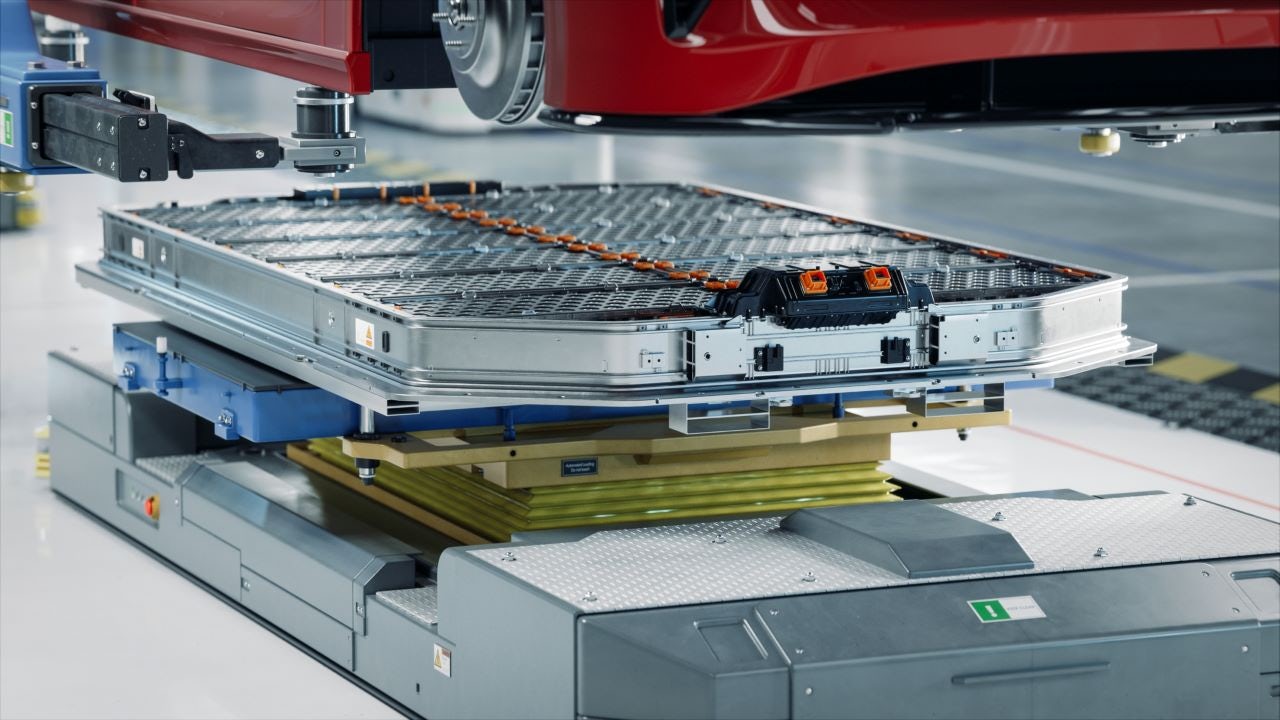
In July, electrified vehicle sales across 15 major countries reached 1.982 million units, representing 39.7% of total automobile sales, though this marked a 10.0% month-over-month decline despite a 6.5% year-over-year increase. Battery electric vehicle (BEV) sales grew 9.8% annually to 1.021 million units with a 20.4% market share, driven primarily by expansion in Europe and Brazil, while Chinese BEV sales increased only marginally at 0.8%. Hybrid electric vehicles (HEVs) demonstrated stronger performance, rising 18.9% year-over-year to 526,000 units representing 10.5% market share, particularly through affordable Japanese and Korean offerings in the United States. Conversely, plug-in hybrid electric vehicles (PHEVs) declined 10.8% annually to 435,000 units amid significant Chinese market contraction. The data underscores a pivotal shift in global electrified vehicle markets as Chinese manufacturers increasingly export new energy vehicles to counter sluggish domestic demand and intensifying competition. Through July, cumulative xEV sales reached 12.645 million units, marking the first year-over-year growth achieved in 2026, constituting 36.4% of total new car sales.
Share on

Lucid and Bolt Partner to Develop and Deploy Autonomous Mobility at Scale Across Europe
www.stocktitan.net
Sept. 26, 2026, 4:13 a.m.
Lucid Motors and Bolt, Europe's leading shared mobility platform, have announced a strategic partnership to co-develop and deploy SAE Level 4 autonomous vehicles across European cities. The collaboration leverages Lucid's software-defined vehicle platform and NVIDIA Hyperion technology alongside Bolt's operational data and infrastructure to create an autonomous driving system-ready midsize vehicle. Bolt plans to deploy at least 25,000 fully autonomous Lucid vehicles across multiple European cities, advancing toward its goal of 100,000 autonomous vehicles by 2035. The partnership, led by Bolt Autonomous Driving Solutions and Lucid Technologies, represents a significant escalation in autonomous mobility development, with Bolt taking an ownership and operating role rather than purely developmental involvement. This agreement builds on Lucid's existing robotaxi collaboration with Uber for at least 35,000 vehicles. The announcement generated substantial market interest, with Lucid's stock closing 5.82% higher on September 17, 2026, reflecting investor confidence in the company's autonomous vehicle strategy and European expansion prospects.
Share on
The European Union’s automotive sector needs a plan, not undue protection
www.bruegel.org
Sept. 23, 2026, 1:14 p.m.
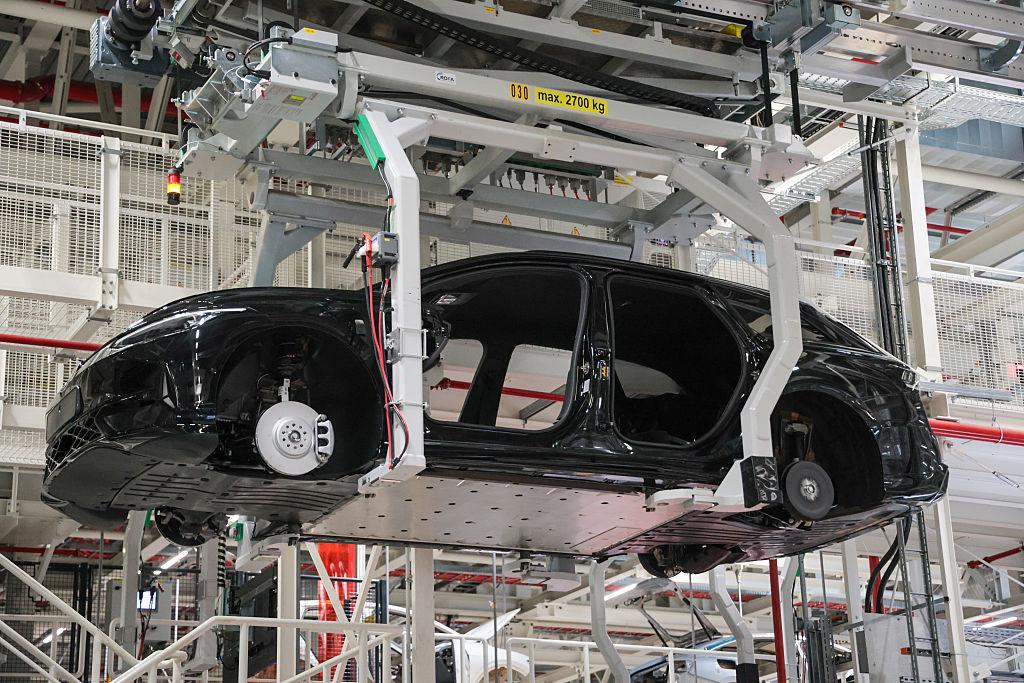
The European automotive industry confronts unprecedented challenges from electrification, intensifying Chinese competition, and declining consumer demand. The European Union has responded with proposed deregulatory measures, trade-defence initiatives, EU-level funding, and potential 'Made in EU' requirements. However, these objectives create tensions: tariffs and local-content requirements increase consumer prices while complicating the electric-vehicle supply chain transformation. Rather than prioritizing protectionism, the EU should adopt a balanced strategy supporting industry transformation during this critical climate transition phase. Support costs should remain proportionate to industrial preservation benefits while maintaining ambitious decarbonization targets. Any assistance must be temporary and contingent on industry competitiveness improvements in affordable electric-vehicle manufacturing. Domestically, the EU should streamline automotive policy architecture, addressing economic-security concerns through resilience criteria rather than local-content mandates, while prioritizing structural competitiveness enablers. Incoming investment should be leveraged as catch-up opportunity. Protective measures should comprise temporary safeguards or negotiated agreements with China covering electric vehicles and hybrids. This approach balances preserving employment and industrial capacity with consumer interests and climate objectives.
Share on
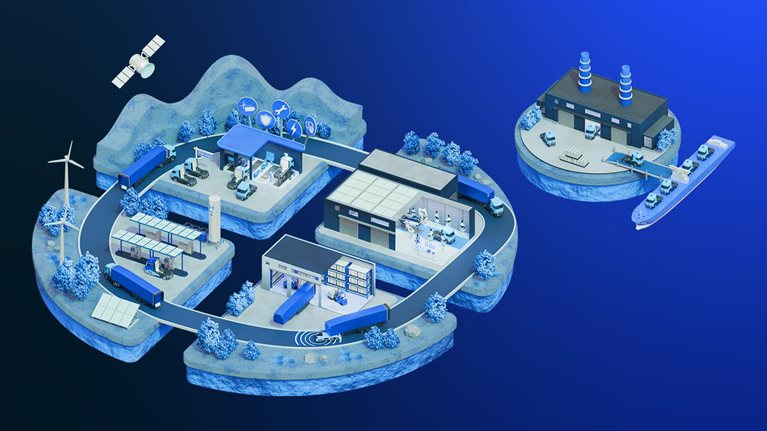
Our Automotive & Assembly Insights
www.mckinsey.com
Sept. 23, 2026, 1:13 p.m.
McKinsey & Company's automotive webinar addresses the accelerating transition to electric vehicles, examining critical developments reshaping the industry. The session provides comprehensive analysis of hybrid vehicles' evolving role within the broader electrification landscape, exploring enabling technologies that drive their advancement. Key focus areas include identifying cost-effective strategies for scaling hybrid solutions to meet growing market demand. The webinar features insights into flexible electric vehicle platforms capable of supporting both Battery Electric Vehicles and Extended Range Electric Vehicles simultaneously, demonstrating how manufacturers can optimize production efficiency while offering diverse powertrain options. This examination of platform flexibility and hybrid technology integration holds significant importance for automotive stakeholders navigating the complex transition toward electrification. Understanding these multi-powertrain approaches enables companies to develop competitive strategies, reduce manufacturing costs, and meet varied consumer preferences during the critical shift from traditional combustion engines to electric mobility solutions.
Share on

Robotaxi Competition Enters the Operations Era: Cao Cao Mobility Unveils Commercialization Path for Autonomous Fleets
finance.biggo.com
Sept. 23, 2026, 1:13 p.m.
The autonomous taxi industry is undergoing a fundamental shift from proving technological capability to achieving profitable fleet operations. Companies including Pony.ai, WeRide, and Baidu are now emphasizing cost structures and commercial returns rather than autonomous driving roadmaps. Cao Cao Mobility's RoboX division, led by CTO Zhao Chenhui, explicitly states that Level 4 autonomous vehicles have achieved sustained operational capability in constrained environments, but the critical challenge now lies in scaling from individual vehicles to entire fleets. Success requires solving fleet operations, maintenance, charging, order dispatching, and per-vehicle economics—capabilities as essential as the algorithms themselves. Cao Cao Mobility is addressing this transition through its RoboX platform, which integrates robotaxis and unmanned cargo vehicles (robovans) via its proprietary CaoCao Robo OS operating system. The company has deployed 140 second-generation robotaxis and plans mass production of its purpose-built Eva Cab model by 2027. This strategic evolution extends competition beyond autonomous vehicle technology to encompass complete operational chains including manufacturing, order acquisition, and offline operations management.
Share on
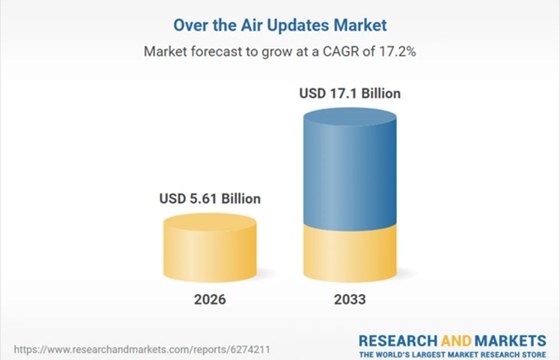
Over the Air Updates Market for Automotive Report Now Available — See Why Volvo's 2.5M-Vehicle Rollout and BMW's 12M Remote Upgrades Signal OTA Has Become Core to Vehicle Strategy
finance.yahoo.com
Sept. 19, 2026, 4:14 a.m.
The global automotive over-the-air (OTA) updates market is projected to expand significantly from $5.61 billion in 2026 to $17.10 billion by 2033, representing a compound annual growth rate of 17.2%, according to a comprehensive 380-page report published by ResearchAndMarkets.com. This growth is driven by automakers' transition toward software-defined vehicle architectures, where continuous remote software deployment has become critical for managing vehicle performance, safety, and features. Key players including Tesla, Volkswagen, Hyundai, General Motors, Mercedes-Benz, and BYD are investing heavily in OTA capabilities. The market expansion is fueled by increased adoption of centralized electronic control units, zonal architectures, and connected vehicle platforms that enable remote firmware updates and security patches without requiring physical service interventions. Passenger cars are leading OTA adoption as they become increasingly software-driven platforms with continuously upgradeable functions, particularly with the integration of advanced driver assistance systems (ADAS), digital cockpits, and connected infotainment systems. The rising deployment of electric vehicles further accelerates demand for frequent software optimization. Notable examples include Volvo Cars' 2025 OTA update covering 2.5 million vehicles across 85 countries. Enhanced cybersecurity frameworks and cloud-based platforms are strengthening OTA reliability, while commercial fleets increasingly leverage remote diagnostics and predictive maintenance capabilities to improve operational efficiency and vehicle availability.
Share on
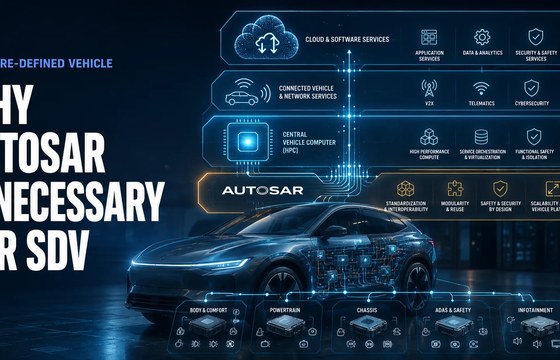
Why AUTOSAR Is Necessary for Realizing the Software Defined Vehicle (SDV) - Insight Community
pievcore.com
Sept. 19, 2026, 4:14 a.m.
As automotive industry conversations increasingly center on the Software Defined Vehicle (SDV), AUTOSAR emerges as the essential standard enabling this transformation. Unlike conventional vehicles where features remain frozen at manufacture and require dealership visits for updates, SDVs decouple the software lifecycle from hardware, enabling over-the-air feature additions, removals, and upgrades throughout the vehicle's operational life. AUTOSAR addresses the specific technical challenges SDVs create for embedded software teams by providing necessary infrastructure that no other existing standard offers. The standard's dual-platform architecture—Classic Platform and Adaptive Platform—jointly solves critical SDV demands. Rather than a fashionable choice, AUTOSAR represents mandatory infrastructure for SDV programs, enabling calibration updates, infotainment features, driver-monitoring algorithms, and ADAS behaviors to deploy independently of hardware refresh cycles. As OEMs and suppliers build entire business units around SDV capabilities and job postings increasingly require SDV experience, AUTOSAR has transitioned from optional architecture to the fundamental substrate necessary for successful production vehicle implementation.
Share on
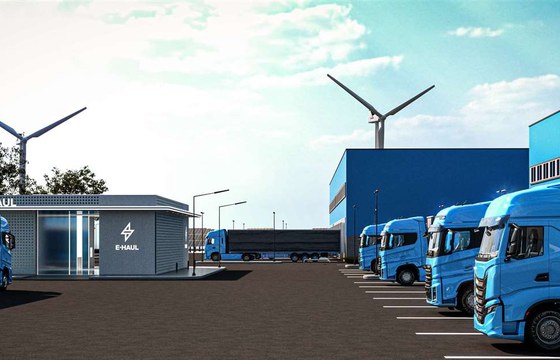
The future of HD truck battery-swap technology in Europe - Power Progress
www.powerprogress.com
Sept. 19, 2026, 4:14 a.m.
CATL, China's leading battery manufacturer, has partnered with European energy provider Octopus to develop the Swaptopus network, marking a significant expansion of battery-swap technology into Europe's commercial vehicle sector. Drawing on proven experience from its Chinese operations—including the Choco-Swap passenger vehicle network with 1,650 locations across 127 cities as of May 2026, and Qiji Energy for heavy-duty trucks with approximately 300 sites expanding toward 900 by year-end—CATL is leveraging established infrastructure expertise. European players like EHaul, a spinoff from Technische Universität Berlin, are simultaneously developing fully-automated battery-swap stations for heavy-duty electric trucks. According to EHaul CEO Jens-Olav Jerratsch, battery swapping offers critical advantages over megawatt charging: swap operations complete in five minutes compared to thirty minutes for 1 MW chargers, while alleviating grid congestion concerns. This technology matters because grid infrastructure alone cannot support large-scale truck charging facilities, making battery swapping essential for scaling heavy-duty electric vehicle adoption across Europe's logistics corridors by 2030.
Share on