
When PAD Becomes Critical: Understanding CLI, Rest Pain and Non-Healing Wounds
vascularinstituteofchattanooga.com
Sept. 23, 2026, 1:23 p.m.
Chronic limb-threatening ischemia (CLTI), formerly known as critical limb ischemia, represents the most severe stage of peripheral artery disease, occurring when blood flow reduction causes ischemic rest pain, non-healing wounds, or gangrene. The Global Vascular Guidelines formally define CLTI as PAD accompanied by rest pain, gangrene, or lower-extremity ulcers persisting beyond two weeks. Unlike claudication pain that occurs during walking, ischemic rest pain typically manifests in the forefoot or toes while sitting or lying down, often worsening at night. Patients may temporarily relieve symptoms by using gravity to assist blood flow. CLTI demands urgent evaluation by vascular specialists, as it constitutes a time-sensitive condition associated with limb loss, cardiovascular events, and mortality. Small wounds—blisters, calluses, or toenail injuries—become critically dangerous when blood flow is inadequate. Successful healing requires both infection control and sufficient arterial circulation to deliver oxygen and nutrients. Diabetes and chronic kidney disease significantly increase CLTI risk, as neuropathy can mask severe wounds, delaying diagnosis and intervention.
Share on

Study of the R3 Vascular Drug-Eluting Bioresorbable Scaffold in Treating Below the Knee Arterial Disease (RESOLV I)
ctv.veeva.com
Sept. 23, 2026, 1:22 p.m.
Peripheral artery disease affects over 200 million people globally, with critical limb ischemia (CLI) representing its most severe stage in approximately 10% of PAD patients. CLI carries significant morbidity and mortality, with amputation rates between 10-40% at six months and 50% five-year mortality. Diabetic patients face particularly poor outcomes, experiencing 5-30 fold higher amputation rates due to more extensive disease patterns. Traditional treatment approaches include surgical bypass and catheter-based revascularization procedures, though many CLI patients are unsuitable surgical candidates due to medical comorbidities or absent graft vessels. Over the past decade, percutaneous transluminal angioplasty (PTA) has emerged as first-line therapy, supplemented by drug-eluting technologies. While uncoated balloon angioplasty achieves high technical success, restenosis remains problematic. Drug-coated balloons (DCB) delivering paclitaxel have demonstrated efficacy in femoropopliteal disease, significantly reducing target lesion revascularization rates. However, DCB effectiveness in infrapopliteal arteries remains less conclusive, highlighting an important clinical gap where the R3 Vascular drug-eluting bioresorbable scaffold represents a potential advancement in treating below-knee arterial disease.
Share on
Impact of antiplatelet therapy on erectile dysfunction
www.frontiersin.org
Sept. 19, 2026, 4:23 a.m.
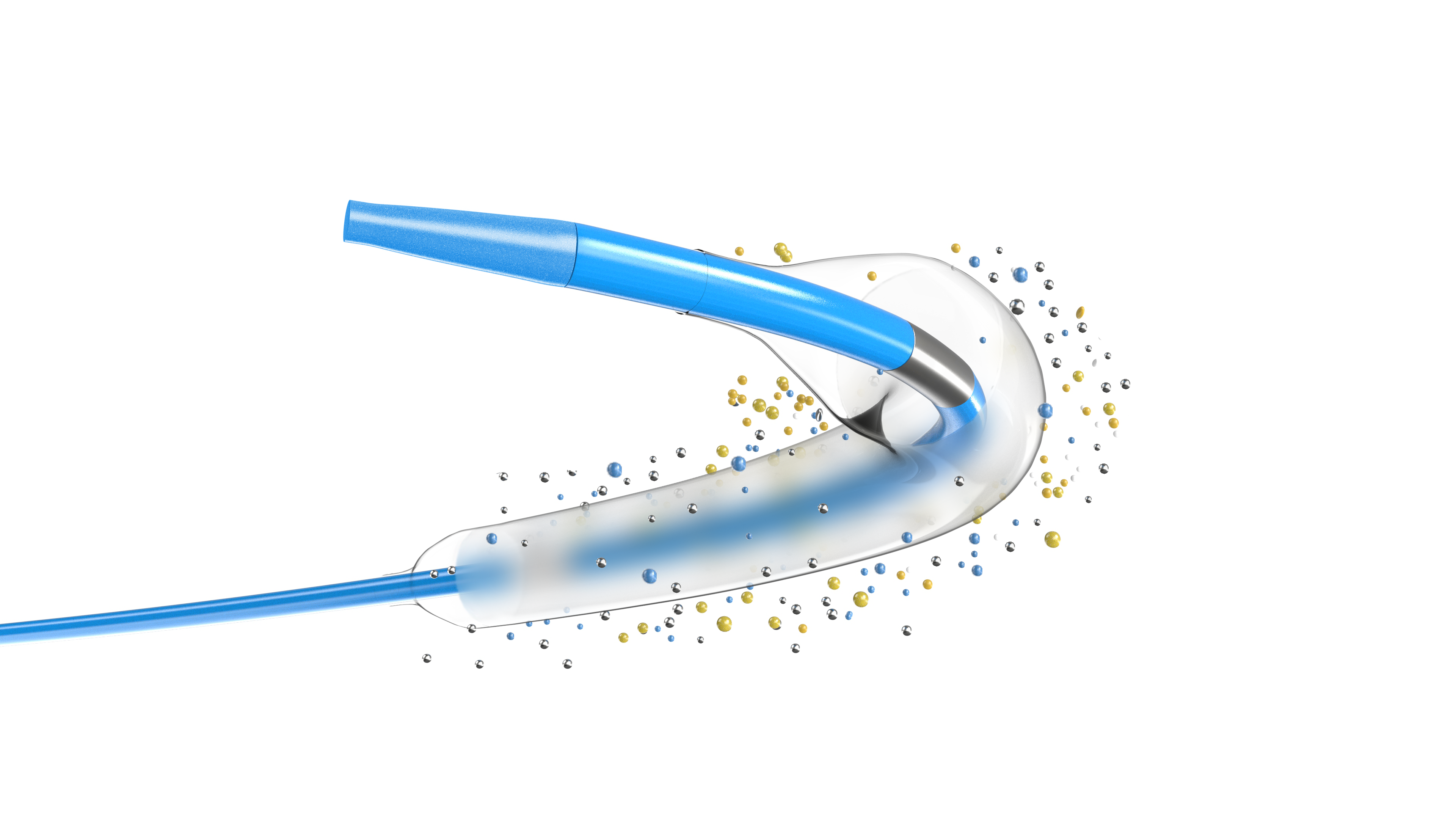
This study examines the relationship between antiplatelet therapy and erectile dysfunction in patients who underwent percutaneous coronary intervention for ST-segment elevation myocardial infarction. Conducted by researchers including Choi, Lee, Park, Kim, and colleagues, the research investigates how dual antiplatelet therapy, which typically includes P2Y12 inhibitors alongside aspirin, impacts sexual function outcomes following acute coronary events. The study addresses an important but often overlooked aspect of post-cardiac intervention quality of life, as erectile dysfunction represents a significant concern for male cardiac patients during recovery. Understanding the impact of antiplatelet medications on erectile function is clinically relevant because these drugs are essential for preventing stent thrombosis and recurrent cardiovascular events. The research contributes valuable insights into the trade-offs between therapeutic efficacy in preventing cardiovascular complications and potential adverse effects on sexual function, ultimately helping clinicians and patients make informed decisions about long-term antiplatelet regimens following percutaneous coronary intervention.
Share on

UCSF Peripheral Artery Disease Clinical Trials for 2026
clinicaltrials.ucsf.edu
Sept. 19, 2026, 4:22 a.m.
UCSF is conducting multiple clinical trials investigating innovative cardiovascular interventions across peripheral artery disease and coronary artery disease treatment. The AGENT DCB STANCE trial is a prospective, randomized controlled study comparing the AGENT Drug-Coated Balloon to standard percutaneous coronary intervention with drug-eluting stents and balloon angioplasty in patients with de novo coronary lesions. A separate randomized, placebo-controlled study examines Bempedoic acid's effects on arterial inflammation, lipids, and plaque composition in HIV-infected individuals aged 40 and older with cardiovascular disease or risk factors, utilizing FDG-PET/CT and coronary CT angiography for assessment. The FORWARD CAD IDE Study evaluates the Shockwave Intravascular Lithotripsy System with Javelin Coronary IVL Catheter for treating calcified coronary lesions prior to stenting. Additionally, ROMA:Women is investigating whether multiple arterial grafting improves outcomes and quality of life compared to single arterial grafting in 2,300 women undergoing coronary artery bypass grafting, measuring major adverse cardiac and cerebrovascular events across diverse patient subgroups. These trials advance treatment options for complex cardiovascular conditions while addressing important demographic variations in patient outcomes.
Share on
SirPAD Redefines Drug-Coated Balloon Therapy in PAD
www.acc.org
Sept. 16, 2026, 1:30 p.m.
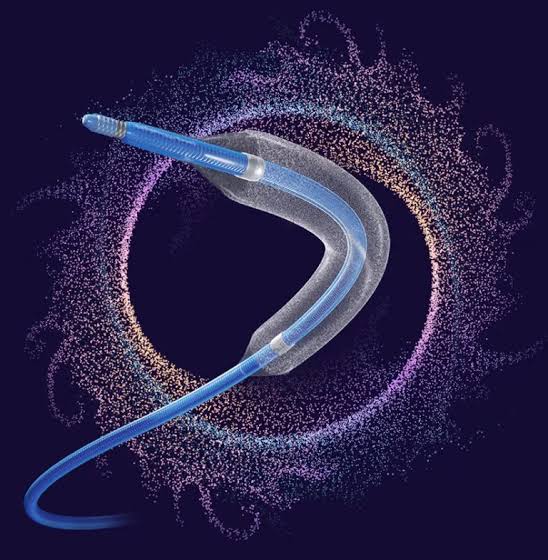
Peripheral artery disease affects over 113 million people globally and remains a leading cause of limb loss and cardiovascular mortality. The SirPAD trial, a phase 3 investigator-initiated randomized controlled trial conducted in Switzerland, enrolled 1,252 patients with symptomatic infrainguinal PAD to evaluate whether sirolimus-coated balloon angioplasty could improve clinical limb outcomes compared to uncoated balloon angioplasty. Participants had a median age of 75 years, with 34.2% presenting with chronic limb-threatening ischemia and 9.8% with acute limb ischemia. Sirolimus, a mTOR inhibitor with an established safety profile in coronary interventions, was chosen as an alternative to paclitaxel-coated balloons due to concerns about late mortality associated with paclitaxel use. The SIRONA trial had previously demonstrated comparable outcomes between sirolimus- and paclitaxel-coated balloons in femoropopliteal disease. SirPAD represents a significant advancement in drug-coated balloon technology, potentially offering safer and more effective treatment for infrainguinal PAD by translating mechanistic advantages into meaningful clinical improvements in limb salvage and patient outcomes.
Share on

Critical Limb Ischemia: When PAD Becomes an Emergency and How We Treat It
sacmd.com
Sept. 16, 2026, 1:29 p.m.
Chronic limb-threatening ischemia (CLTI), the most severe form of peripheral artery disease, represents a vascular emergency with amputation rates of 15–20% and mortality rates of 15–40% within one year. Unlike milder PAD stages, CLTI occurs when blood flow to the foot and lower leg becomes critically reduced, manifesting through ischemic rest pain, non-healing ulcers, and gangrene. Dr. Rodeen Rahbar and the vascular team at Surgical Associates in Maryland, DC, and Northern Virginia prioritize limb salvage through urgent intervention. The 2024 ACC/AHA PAD Guideline endorses the WIfI classification system for CLTI staging, which evaluates three factors on scales of 0–3: Wound severity, Ischemia level (measured by ankle or toe pressure and transcutaneous oxygen), and foot Infection status. This combined scoring system predicts amputation risk and guides revascularization decisions. Early recognition and rapid vascular evaluation are critical, as delayed treatment increases tissue loss and compromises limb salvage outcomes.
Share on
Saphenous Vein Arterialization for Limb Salvage in Unreconstructable Peripheral Arterial Disease: Long-Term Results
www.sciencedirect.com
Sept. 12, 2026, 10:38 a.m.
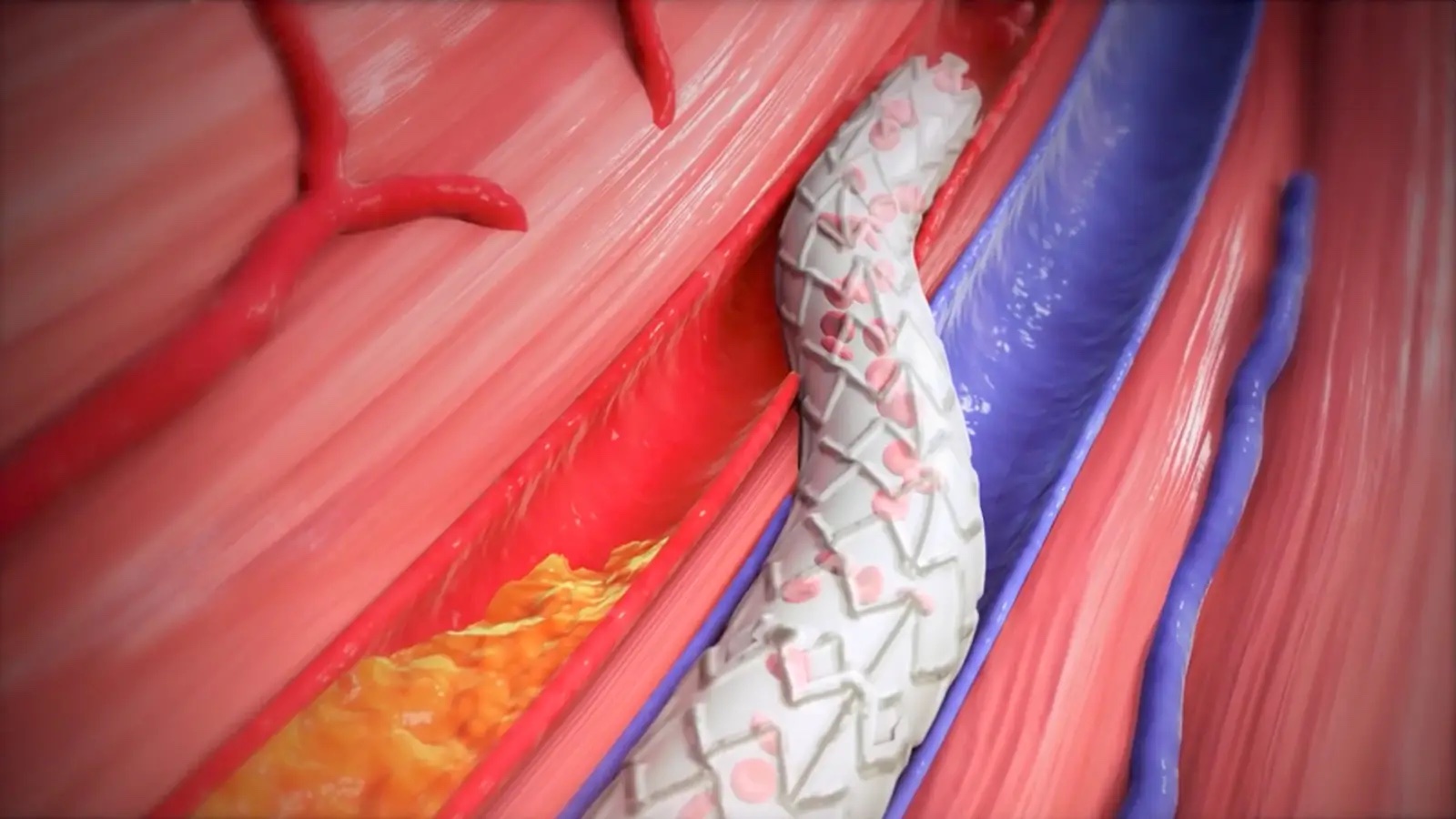
GSVA achieved 53% 12-month amputation-free survival in no-option CLTI patients. 91% of preserved limbs healed and all had pain improvement after GSVA. Most amputations occurred within 1.5 months; early failure predicts outcome. GSVA is a simpler, cheaper, and safer alternative to deep venous arterialization.
Share on
[PDF] Influence of carboxymethyl cellulose and calcium-crosslinked CMC
www.frontiersin.org
Sept. 12, 2026, 4:28 a.m.
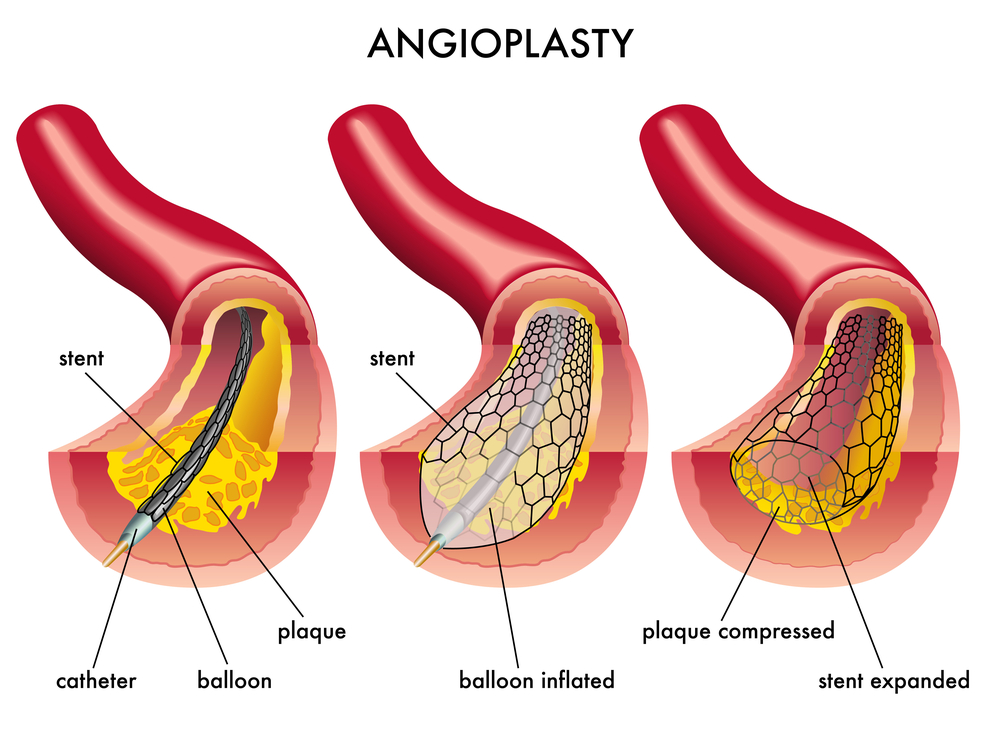
Researchers investigated how carboxymethyl cellulose (CMC) and calcium-crosslinked CMC coatings enhance the performance of 3D-printed hydroxyapatite scaffolds for biomedical applications. Hydroxyapatite is a calcium phosphate mineral closely resembling natural bone composition, making it valuable for bone tissue engineering. The study, led by Attapong Deedklin and colleagues and published in Frontiers in Bioengineering and Biotechnology, evaluated how these surface modifications influenced early hemostatic performance and osteoblastic compatibility. The calcium-crosslinked CMC coating represents an advanced surface treatment designed to improve blood-material interactions while promoting bone cell adhesion and growth. By modifying the scaffold surface with these biopolymers, the researchers aimed to create a more biocompatible material that would facilitate faster bone integration and minimize adverse reactions. These findings have significant implications for orthopedic and reconstructive surgery applications, offering potential improvements in bone regeneration therapies and scaffold-based tissue engineering approaches that could enhance clinical outcomes in bone repair procedures.
Share on
The Dos and Don’ts of AV Access Thrombectomy - Endovascular Today
evtoday.com
Sept. 12, 2026, 4:28 a.m.
Arteriovenous access thrombectomy is a critical procedure for managing thrombosed dialysis access in patients with end-stage kidney disease. This clinical review examines best practices for percutaneous mechanical thrombectomy performed in outpatient settings. Early identification of access dysfunction through careful analysis of dialysis unit indicators—including difficult cannulation, elevated venous pressures, decreased blood flow, and prolonged bleeding—can predict thrombosis and guide intervention strategy. Successful thrombectomy requires systematic attention to four key procedural components: thrombus removal, pullback angiography to visualize the entire access circuit and central venous system, angioplasty of associated stenotic lesions, and arterial plug dislodgement. The underlying pathology differs between arteriovenous grafts, where venous outflow stenosis predominates, and arteriovenous fistulas, which exhibit variable stenosis patterns including juxta-anastomotic lesions and cephalic arch narrowing. Prompt, complete treatment prevents complications such as missed dialysis sessions, hospitalization, and permanent access loss. Understanding the access circuit anatomy and identifying contributing stenoses before intervention improves procedural efficiency and patient outcomes.
Share on

Analysis of Hospital data on Angioplasty and/or Infrainguinal Bypass for Critical Lower limb ischemia in Brazil in the last Decade
auctoresonline.org
Sept. 12, 2026, 4:27 a.m.
This Brazilian study analyzed 109,466 hospitalizations for critical lower limb ischemia between 2015 and 2024, demonstrating a significant technological shift within the SUS healthcare system. Endovascular approaches dominated at 83.9% of procedures compared to 16.1% for open surgical methods, substantially surpassing previous Brazilian datasets. This transition reflects global trends driven by reduced perioperative risk, improved accessibility, and advanced materials including stents and drug-coated balloons that have expanded treatment indications. The patient population demonstrated a median age of 66-67 years with male predominance, particularly in open procedures where men comprised 66.8% of cases. Women showed higher proportional participation in endovascular interventions at 45.3%, compared to 33.2% in open surgery, potentially reflecting anatomical considerations. Notably, brown and black populations represented 34.7% and 5.9% of angioplasty cases respectively, diverging from international patterns of reduced minority access to revascularization. These findings indicate Brazil's medical and structural strategy supporting broader treatment accessibility across demographic groups, marking a consolidated evolution in peripheral arterial disease management practices.
Share on
Intravascular Lithotripsy as Salvage Therapy for Heavily Calcified Carotid Artery Stenosis during Carotid Artery Stenting: A Case Report
www.jscimedcentral.com
Sept. 12, 2026, 4:27 a.m.
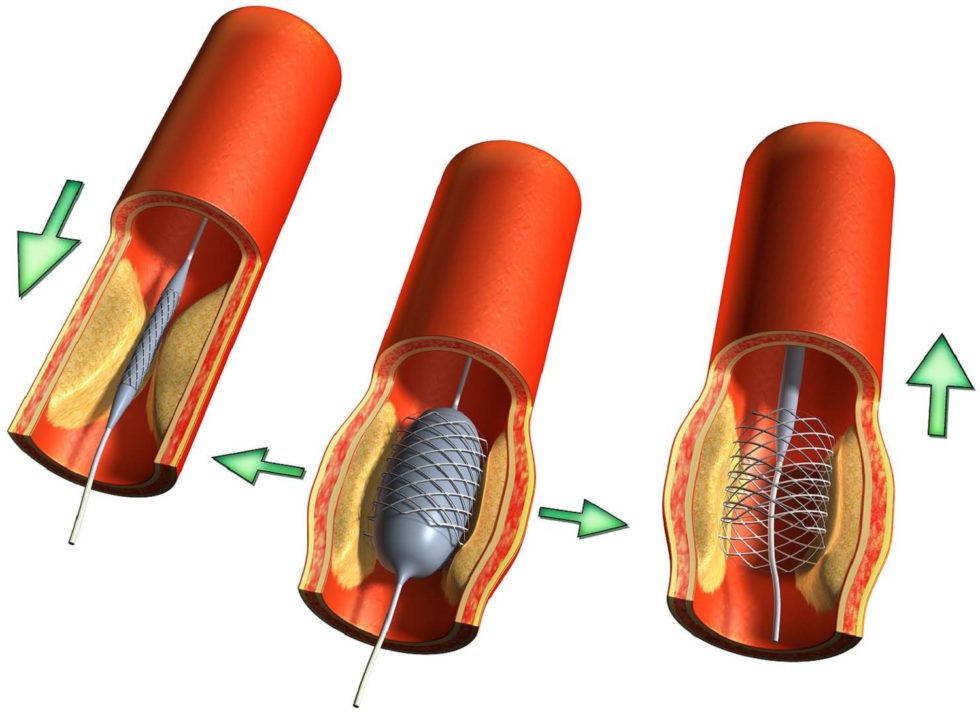
Stroke remains a leading global cause of death and disability, with carotid artery disease accounting for eight to fifteen percent of ischemic stroke cases. Carotid artery stenting (CAS) is an established preventive strategy in appropriately selected patients with symptomatic carotid artery stenosis. However, severe vascular calcification frequently impedes adequate lesion preparation, compromising stent expansion and procedural success. This case report demonstrates the clinical application of intravascular lithotripsy (IVL), an emerging plaque-modification technique, as salvage therapy for heavily calcified carotid lesions. An 83-year-old woman with critical right internal carotid artery stenosis underwent CAS with initial unsuccessful lesion preparation using cutting balloon angioplasty. Subsequent IVL application facilitated adequate plaque modification, enabling satisfactory stent expansion and angiographic results. The procedure resulted only in transient bradycardia, managed with atropine, with no perioperative neurological complications and no recurrent stroke during twelve-month follow-up. This case illustrates IVL's potential as an effective salvage strategy when conventional lesion preparation fails during CAS in patients with heavily calcified carotid lesions.
Share on

UCSD Peripheral Artery Disease Clinical Trials for 2026
clinicaltrials.ucsd.edu
Sept. 9, 2026, 1:36 p.m.
UC San Diego is conducting multiple peripheral artery disease clinical trials recruiting eligible adults in 2026. One trial investigates the relationship between carotid stenosis and cognitive decline through neurocognitive assessments, serum inflammatory markers, and neuroimaging at baseline and post-stenting intervals to determine whether improved blood flow restores cognitive function. A second trial examines whether metformin reduces mortality, myocardial infarction, and stroke risk in Veterans with pre-diabetes and cardiovascular disease. A multicenter registry collects data on percutaneous coronary intervention strategies and outcomes for chronic total occlusions in advanced coronary artery disease patients. Additional trials evaluate FFRangio-guided versus conventional pressure wire-guided coronary treatment and test an AI-based screening tool to identify undiagnosed peripheral artery disease patients. These studies address significant gaps in understanding cardiovascular disease pathophysiology and treatment efficacy, potentially improving patient outcomes through enhanced diagnostic approaches and personalized intervention strategies.
Share on
Interpretable photoacoustic phenotyping of distal microcirculation for peripheral artery disease diagnosis with exploratory perioperative assessment
www.medrxiv.org
Sept. 9, 2026, 1:35 p.m.
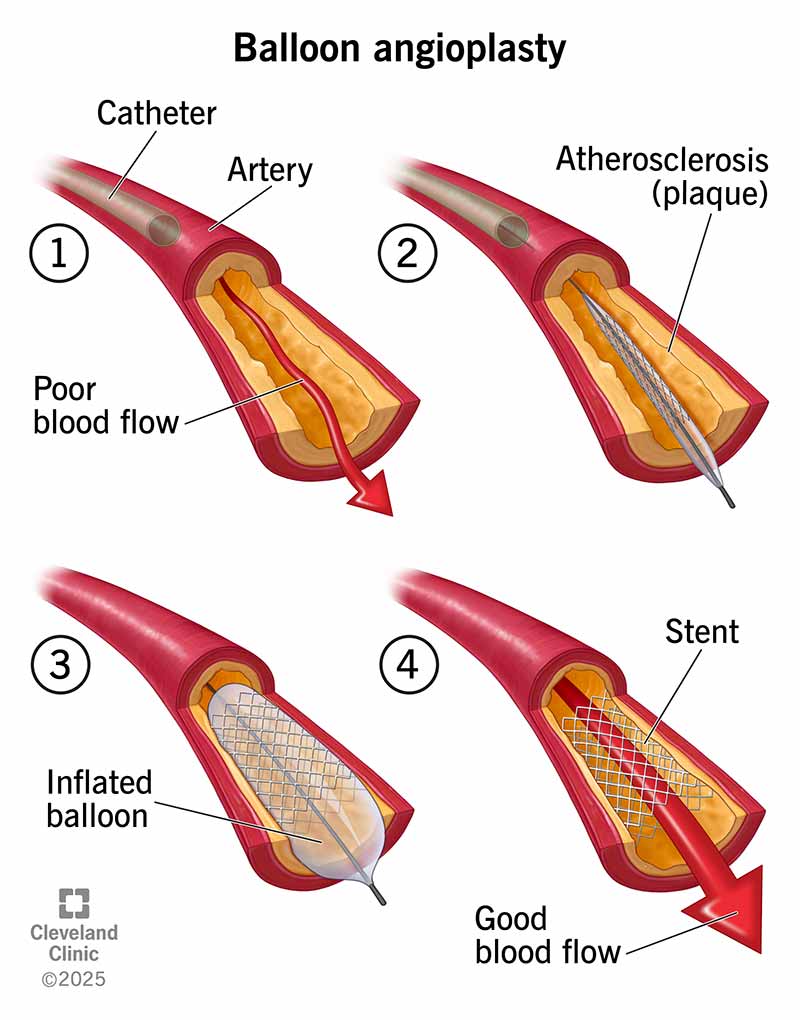
Researchers have developed an interpretable photoacoustic imaging approach for diagnosing peripheral artery disease by phenotyping the distal microcirculation. Photoacoustic imaging combines light and sound waves to visualize blood vessel characteristics and tissue perfusion at high resolution. The technique enables non-invasive assessment of microvascular function in patients with peripheral artery disease, a condition characterized by reduced blood flow to the extremities. The study includes exploratory perioperative evaluation, suggesting clinical applicability during surgical interventions. This interpretable imaging method addresses a significant diagnostic challenge in vascular medicine by providing detailed, actionable information about microcirculatory status. The approach's interpretability is particularly valuable, allowing clinicians to understand the underlying physiological mechanisms driving diagnostic conclusions. By enabling earlier and more accurate detection of peripheral artery disease through microvascular assessment, this photoacoustic phenotyping technology could improve patient stratification, guide treatment decisions, and potentially enhance perioperative planning and outcomes for at-risk populations.
Share on
Dialysis Access Angioplasty - Elite Vascular Care
elitevasc.com
Sept. 9, 2026, 1:34 p.m.
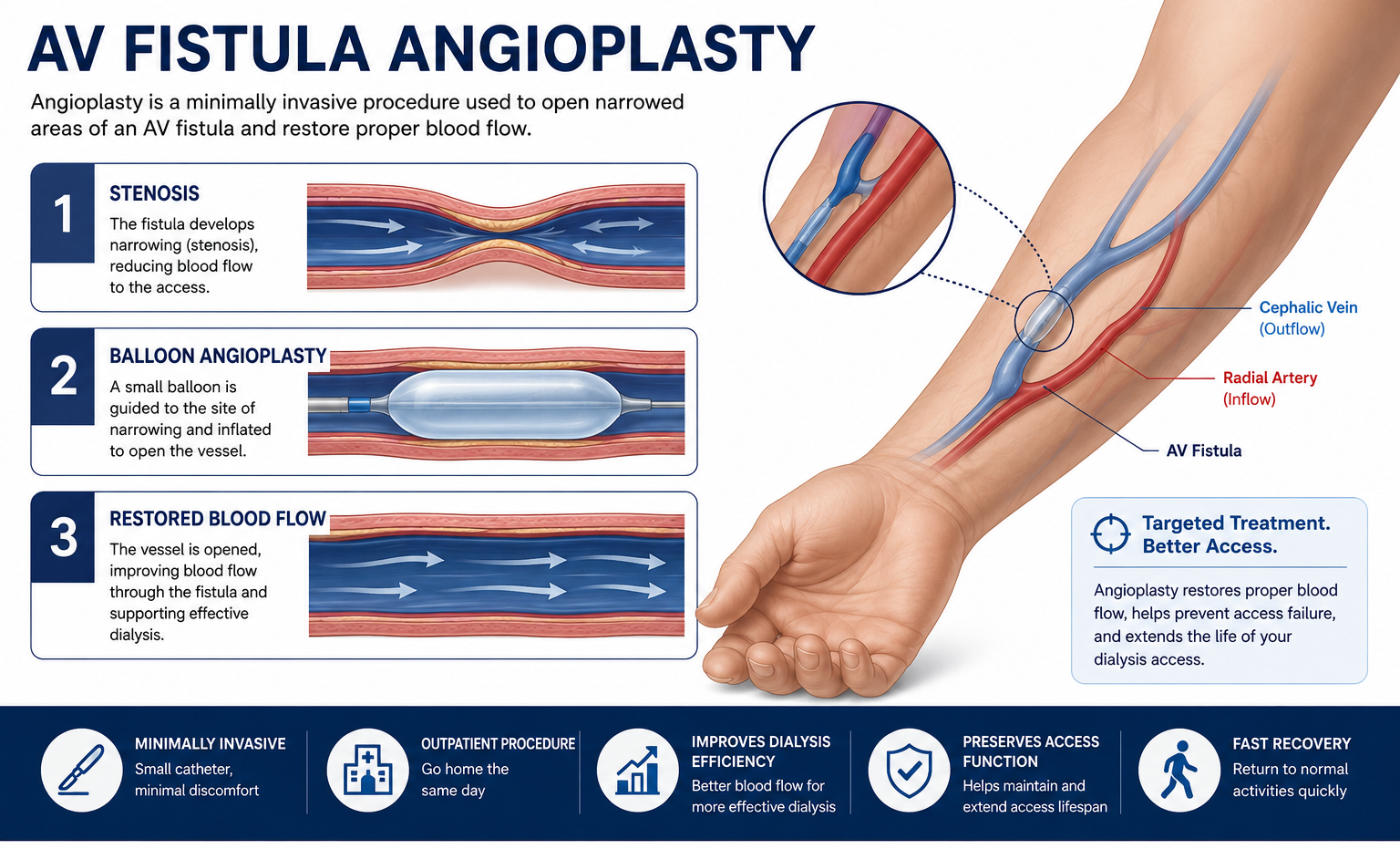
Dialysis access angioplasty is a minimally invasive procedure that addresses stenosis in dialysis fistulas, grafts, and associated veins by using a small balloon to widen narrowed blood vessels and restore adequate blood flow. Performed in outpatient vascular centers, interventional radiology suites, or hospitals, the procedure typically lasts 30 to 90 minutes and is one of the most commonly used interventions to preserve hemodialysis access function. Patients are treated under local anesthesia with optional sedation and usually experience only mild discomfort. Following the procedure, most patients can resume dialysis shortly after treatment, though physician guidance is essential for optimal recovery. While serious complications are uncommon when performed by experienced specialists, potential risks include vessel perforation and hematoma formation. The procedure's success may result in improved blood flow, prolonged access lifespan, and reduced infection risk; however, recurrent narrowing can develop over time due to scar tissue formation, potentially necessitating repeat interventions. Regular monitoring remains critical for long-term access maintenance and function.
Share on
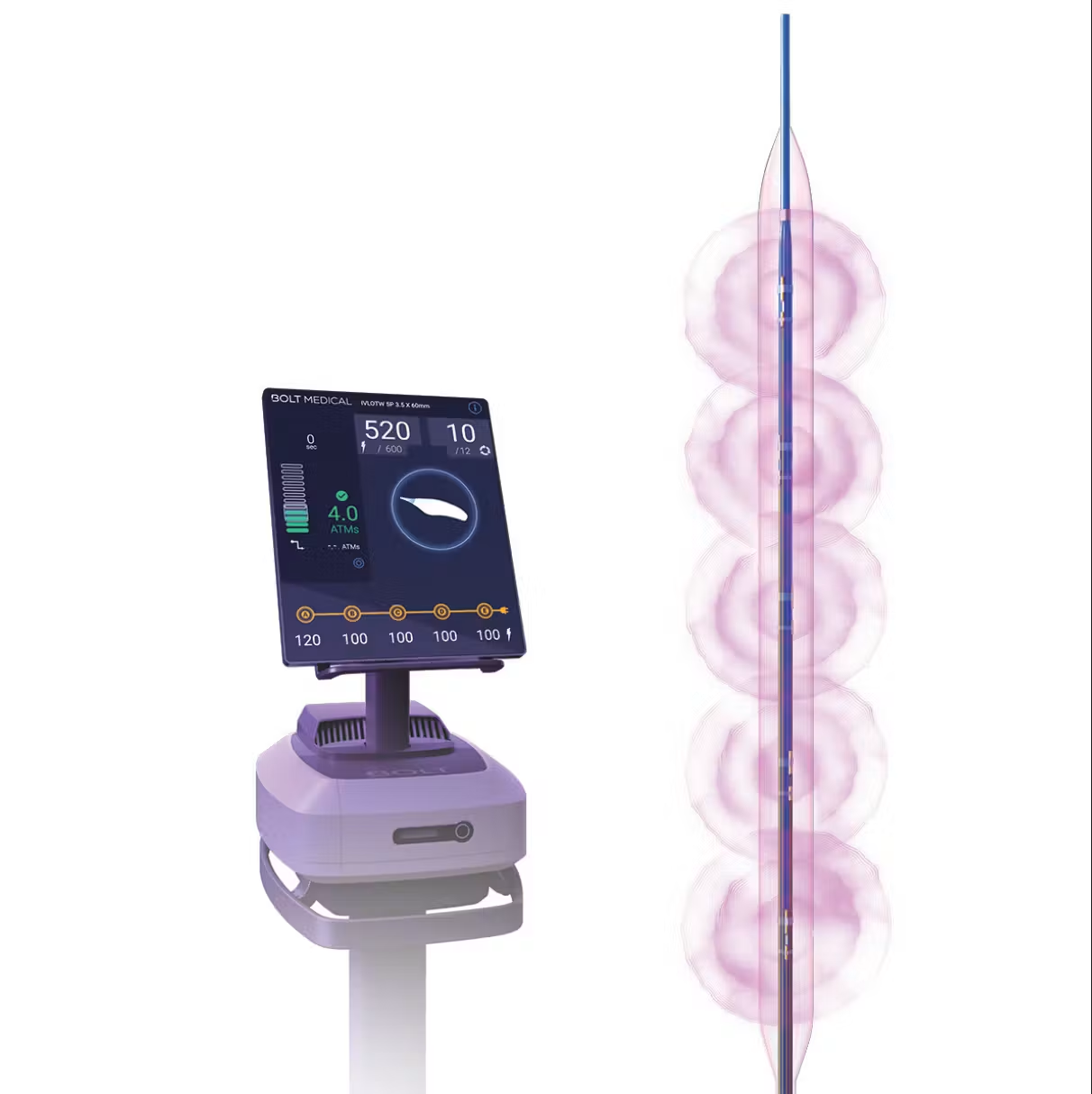
SEISMIQ™ IVL System as a Next-Generation Technology Offering for Complex PAD - Endovascular Today
evtoday.com
Sept. 9, 2026, 1:34 p.m.
The SEISMIQ™ Intravascular Lithotripsy (IVL) System represents an advanced next-generation technology designed to treat complex calcified arterial lesions with enhanced precision and efficacy. Commercially available since late 2025, the system combines improved deliverability, visibility, and consistent acoustic pressure to maximize therapeutic impact. The technology has been evaluated in the RESTORE ATK 1 and RESTORE BTK 2 clinical studies, both achieving 100% procedural success rates with zero major adverse events at thirty days, low residual stenosis, and minimal need for adjunctive therapies. Early adopters from Advocate Health, interventional cardiologist Dr. Jaafer Golzar and vascular surgeon Dr. Gregory Stanley, provide clinical insights into the system's differentiated features. The innovation addresses a critical clinical challenge in peripheral artery disease treatment: the increasing prevalence of moderate-to-severely calcified plaque, particularly in aging populations with diabetes and chronic kidney disease. Traditional interventional approaches including balloon angioplasty, stenting, and atherectomy present significant limitations and safety concerns. SEISMIQ's targeted acoustic energy delivery offers clinicians superior control and improved patient outcomes in managing this growing patient population.
Share on

Drug-Coated Balloons vs. Stents for PAD
sacmd.com
Sept. 5, 2026, 1:43 p.m.
If you’ve been diagnosed with peripheral artery disease (PAD) and your doctor has recommended an endovascular procedure to restore blood flow to your legs, you may have heard terms like “angioplasty,” “stent,” and “drug-coated balloon.” These are all tools in the modern vascular specialist’s toolkit—but they work differently, and understanding the distinctions can help you have a more informed conversation with your care team.
Share on
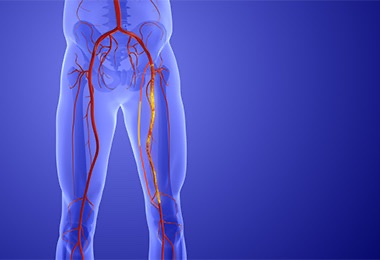
2-Year Patient-Centered and Clinical Outcomes of Sirolimus- Versus Paclitaxel-Coated Balloon Angioplasty in Femoropopliteal Artery Disease
www.jacc.org
Sept. 5, 2026, 1:42 p.m.
SCB angioplasty resulted in sustained patient-reported and clinical outcomes comparable to PCB angioplasty through 2 years, with similar patency, revascularization, and safety.
Share on
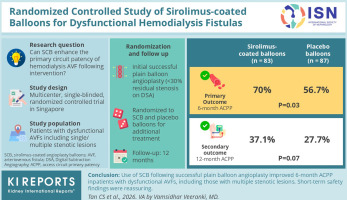
Randomized Controlled Study of Sirolimus-Coated Balloons for Dysfunctional Hemodialysis Fistulas
www.sciencedirect.com
Sept. 5, 2026, 1:40 p.m.
Restenosis following balloon angioplasty remains a major cause of arteriovenous fistula (AVF) dysfunction in patients receiving maintenance hemodialysis. We evaluated whether the use of sirolimus-coated angioplasty balloons (SCBs) improves access circuit primary patency (ACPP) in patients with dysfunctional, nonthrombosed AVFs.
Share on
Hemodialysis Access
www.kidney.org
Sept. 4, 2026, 8:59 p.m.
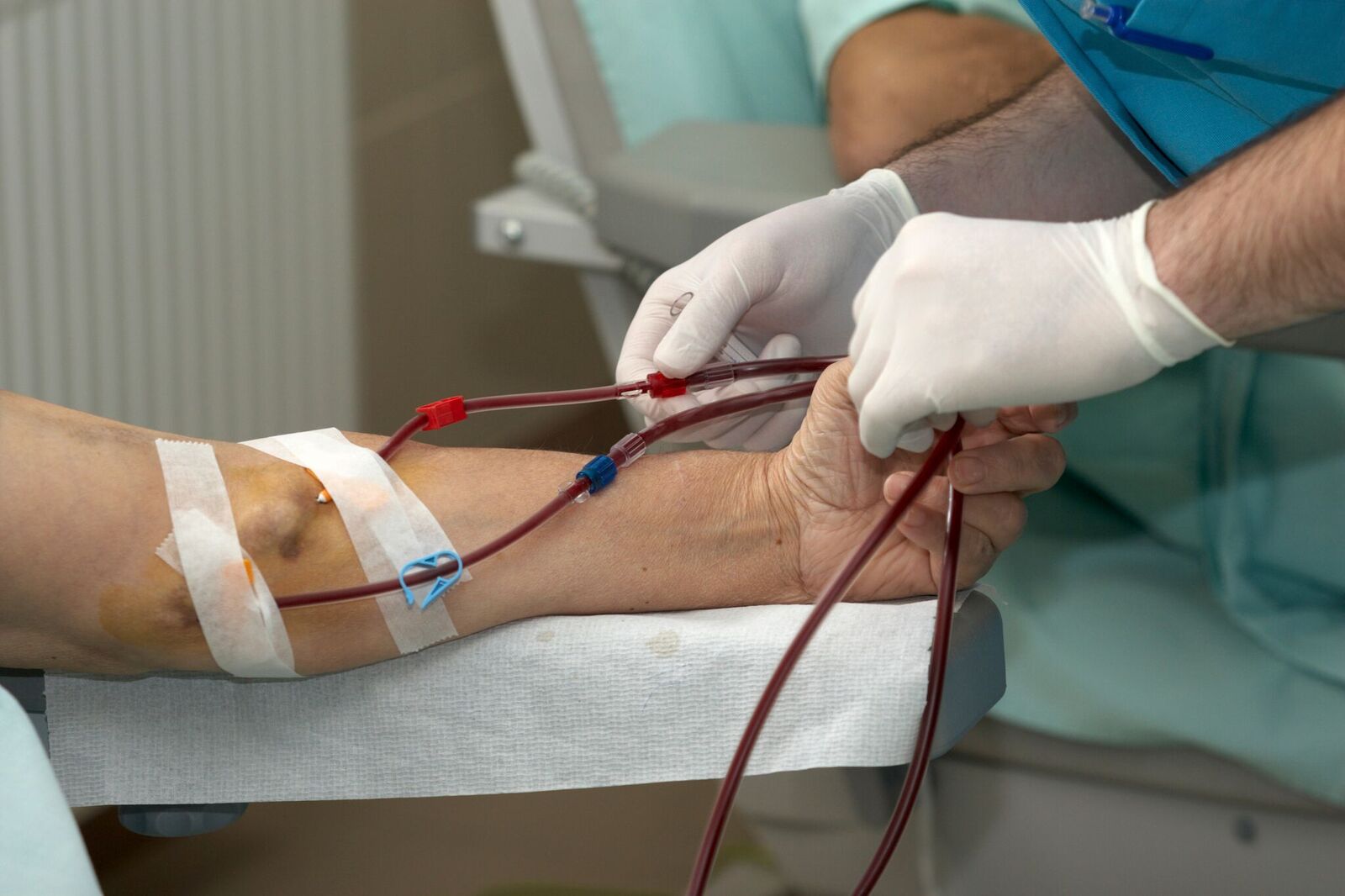
Hemodialysis access is the critical pathway through which blood exits the body, passes through a dialysis machine for filtration, and returns to the patient. The National Kidney Foundation outlines three primary access types: arteriovenous fistulas, grafts, and catheters, each with distinct advantages and considerations. Fistulas, created by surgically connecting an artery and vein typically in the arm using the patient's own blood vessels, offer superior longevity and lower infection rates but require weeks to months of healing before use. Grafts, soft synthetic tubes connecting blood vessels, provide faster accessibility than fistulas but carry higher infection and clotting risks. Catheters, placed in large veins such as the neck or chest, enable immediate use but pose elevated infection risks and perform poorly for long-term dialysis. Selection depends on individual vascular anatomy, health status, and dialysis urgency. Healthcare providers typically employ ultrasound imaging to assess blood vessel suitability before access placement. Daily monitoring and prompt reporting of changes prevent serious complications including infection, bleeding, or thrombosis, making access care essential for successful hemodialysis outcomes.
Share on

Peripheral Arterial Disease (PAD): The Warning Signs of Poor Circulation You Should Never Ignore
vascularinstituteofchattanooga.com
Sept. 4, 2026, 8:59 p.m.
Peripheral Arterial Disease (PAD) is a prevalent circulatory condition characterized by plaque accumulation in leg and foot arteries, resulting in reduced blood flow to lower extremities. Affecting millions of Americans, PAD represents a leading cause of preventable limb loss. Early symptoms often go unrecognized, mistaken for arthritis or aging-related conditions, delaying critical intervention. The hallmark symptom is claudication—leg pain or cramping during walking that resolves with rest—alongside fatigue, cold extremities, numbness, slow-healing wounds, and skin discoloration. Significant risk factors include diabetes, smoking, hypertension, high cholesterol, chronic kidney disease, obesity, and family cardiovascular history. Diagnosis employs ankle-brachial index (ABI), duplex vascular ultrasound, CT angiography, MR angiography, or diagnostic angiography to assess arterial narrowing severity. Treatment prioritizes circulation improvement through lifestyle modifications including smoking cessation, exercise therapy, diabetes management, and cholesterol control. Advanced cases may require minimally invasive interventions such as angioplasty, atherectomy, drug-coated balloons, stenting, or surgical bypass. Early detection proves essential, as PAD signals systemic cardiovascular disease risk and, if untreated, can progress to tissue damage and amputation while compromising overall heart health.
Share on