
Roche’s giredestrant combination significantly improved progression-free survival in ER-positive advanced breast cancer in phase III evERA
www.roche.com
Oct. 17, 2026, 4:12 a.m.
Roche announced that detailed results from the evERA Breast Cancer study, published in The New England Journal of Medicine, demonstrated that its investigational giredestrant—an oral selective oestrogen receptor degrader (SERD)—combined with everolimus significantly improved progression-free survival (PFS) in patients with oestrogen receptor-positive advanced breast cancer who experienced disease progression after CDK4/6 inhibitor and endocrine therapy treatment. In the ESR1-mutated population, median PFS reached 10.0 months with the giredestrant combination versus 5.5 months with standard therapy, representing a 62 percent risk reduction. In the broader intent-to-treat population, median PFS was 8.8 months compared with 5.5 months, with a 44 percent risk reduction. Overall survival data showed a positive trend, though remained immature at analysis. The combination demonstrated a manageable safety profile consistent with individual component medications, with no unexpected adverse events, no photopsia cases, and low bradycardia rates. This all-oral treatment option addresses the critical clinical need for additional therapies to combat endocrine therapy resistance in advanced breast cancer patients.
Sickle cell gene therapies offer new hope, but access remains a major challenge
www.cnbc.com
Oct. 17, 2026, 4:12 a.m.
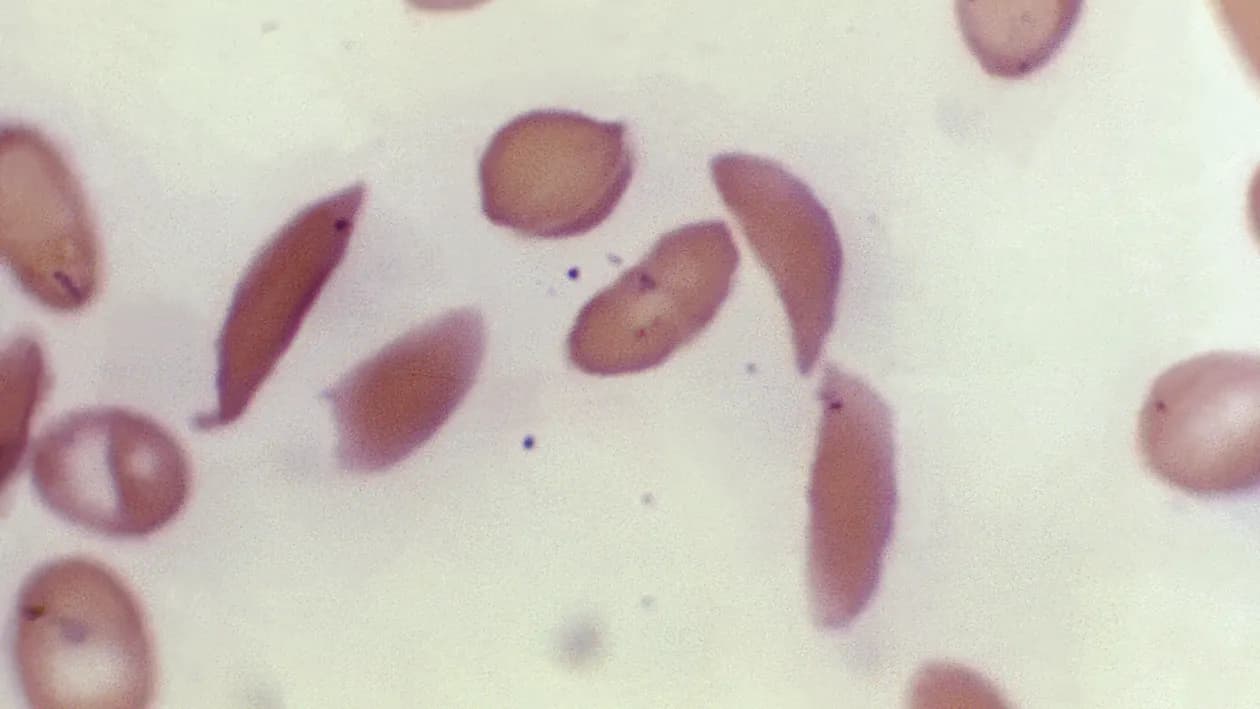
Gene therapies Casgevy and Lygfenia represent significant advances for sickle cell disease patients, now approved for severe forms of the disease in patients as young as two years old. These CRISPR-based therapies can substantially reduce pain crises, as demonstrated by improved patient outcomes, with an estimated 25 to 35 percent of the sickle cell population meeting current clinical criteria for treatment. However, significant barriers to access remain. Treatment duration spans up to one year and can cause permanent infertility, while costs range from $2.2 to $3.1 million per course, excluding additional healthcare expenses. These factors have prompted intervention efforts, notably the Centers for Medicare and Medicaid Services' Cell and Gene Therapy Access Model, launched in 2024. This program works with 32 states, the District of Columbia, and Puerto Rico to establish outcome-based pricing agreements with manufacturers, aiming to address disparities between privately insured patients and the majority of sickle cell patients covered by Medicaid or the Children's Health Insurance Program. Expanding equitable access to these transformative therapies remains critical.
Share on

Nearly a Decade After CAR T, Medicare’s Cell and Gene Therapy Payment Gap Persists
www.ajmc.com
Oct. 17, 2026, 4:11 a.m.
Nearly a decade after chimeric antigen receptor (CAR) T-cell therapies entered the market, Medicare lacks a sustainable payment framework for cell and gene therapies (CGTs), according to policy experts Dan Farmer and Remy Brim speaking at the National Association of Specialty Pharmacy's annual meeting. Currently, Medicare reimburses hospitals for most CGTs through a single lump-sum diagnosis-related group (DRG) payment, the same mechanism used for standard inpatient stays. While new products receive temporary add-on payments covering 50-65% of costs, this support expires within two years, forcing hospitals to absorb remaining expenses within flat DRG rates. Rather than creating dedicated codes for new therapies, CMS has considered consolidating additional immunotherapies into the existing CAR T-specific DRG 018, raising concerns about payment accuracy dilution. Meanwhile, Medicaid has implemented a more proactive Cell and Gene Therapy Access Model, negotiating pricing discounts and outcomes-based rebates directly with manufacturers. Thirty-three states and DC opted into this model for sickle cell gene therapies, covering approximately 84% of Medicaid enrollees. The persistent payment ambiguity is creating investment risk, as commercial insurers increasingly exclude CGTs from coverage.
Share on

Cell and gene therapy manufacturing: Scaling the next frontier
endpoints.news
Oct. 17, 2026, 4:11 a.m.
The cell and gene therapy manufacturing sector is experiencing significant transformation as companies navigate scaling challenges and regulatory evolution. The FDA has adopted a more flexible approach to overseeing cell and gene therapy manufacturing, reflecting the industry's growing maturity. Major developments include substantial investments and facility expansions, with GSK committing $800 million for a new Pennsylvania R&D and manufacturing hub, Bayer unveiling a $2.2 billion Ohio manufacturing site, and Virginia securing $12.6 billion in onshoring projects. Meanwhile, the sector faces consolidation pressures, exemplified by AmplifyBio's closure due to funding scarcity and Caribou's decision to exit due to financing struggles. Notable acquisitions include a CDMO acquiring Landmark Bio and Multiply Labs securing $75 million in funding. The industry also witnessed FDA delays for Novo's hemophilia A drug review citing factory issues, underscoring manufacturing's critical role in therapy approval. These developments reflect the sector's transition toward sustainable, scalable infrastructure essential for commercializing advanced therapies and meeting growing global demand.

Micro-RNAs as Clinically Actionable Biomarkers in Cancer Care
www.intechopen.com
Oct. 14, 2026, 1:13 p.m.
Micro-RNAs (miRNAs) are increasingly recognized as clinically actionable biomarkers across solid and hematologic cancers, functioning as state reporters of critical cancer hallmarks including PI3K/AKT survival signaling, p53 checkpoint loss, MYC-driven proliferation, epithelial-to-mesenchymal transition plasticity, hypoxia adaptation, and immune escape mechanisms. This comprehensive analysis establishes a pan-cancer framework centered on high-centrality miRNA nodes frequently observed in cancer biology and liquid biopsies, including miR-21, the miR-34 family, the miR-17~92 cluster, let-7 family, miR-200 family, miR-210, miR-155, and miR-221/222. The framework expands to include clinically relevant modules such as miR-126 in angiogenesis, miR-16/15 apoptosis checkpoints, miR-29 epigenetic remodeling, miR-146a inflammatory regulation, miR-122 metabolism, and miR-10b/miR-9 in cancer stem cell plasticity. These miRNA modules are translated across therapeutic contexts—chemotherapy, targeted therapy, endocrine therapy, radiotherapy, and immunotherapy—elucidating mechanisms of response, resistance, and escape. The integrated mapping to clinical applications spans early detection, tumor characterization, prognosis assessment, treatment monitoring, and early resistance detection, providing clinicians with guidance on miRNA biomarker validation strength and clinical utility.
Recent advances in targeted therapies and immunotherapies for triple-negative breast cancer
www.frontiersin.org
Oct. 14, 2026, 1:13 p.m.
This comprehensive review examines recent advances in treating Triple-Negative Breast Cancer (TNBC), an aggressive malignancy with historically limited therapeutic options. The article provides an in-depth analysis of emerging targeted therapies and immunotherapies designed to improve patient outcomes. Within targeted approaches, the authors evaluate PARP inhibitors, EGFR inhibitors, and PI3K inhibitors, integrating evidence from clinical trials and analyzing their efficacy across molecular subtypes. The immunotherapy landscape encompasses immune checkpoint inhibitors, Chimeric Antigen Receptor (CAR) T-cell therapy, and vaccine-based approaches. The review critically assesses combination strategies, examining clinical efficacy, safety profiles, and resistance mechanisms. Additionally, it highlights innovative emerging therapeutic modalities including bispecific antibodies, advanced drug delivery systems, and personalized medicine approaches. The article addresses critical challenges in TNBC management, particularly therapy resistance and biomarker-driven treatment selection. This work is significant for oncologists and researchers as it synthesizes current knowledge on transformative treatment strategies that may substantially enhance survival rates and quality of life for TNBC patients, who historically face poor prognoses compared to other breast cancer subtypes.
Share on
navigating the tumor microenvironment for enhanced
repository.library.noaa.gov
Oct. 14, 2026, 1:12 p.m.
# Professional Summary
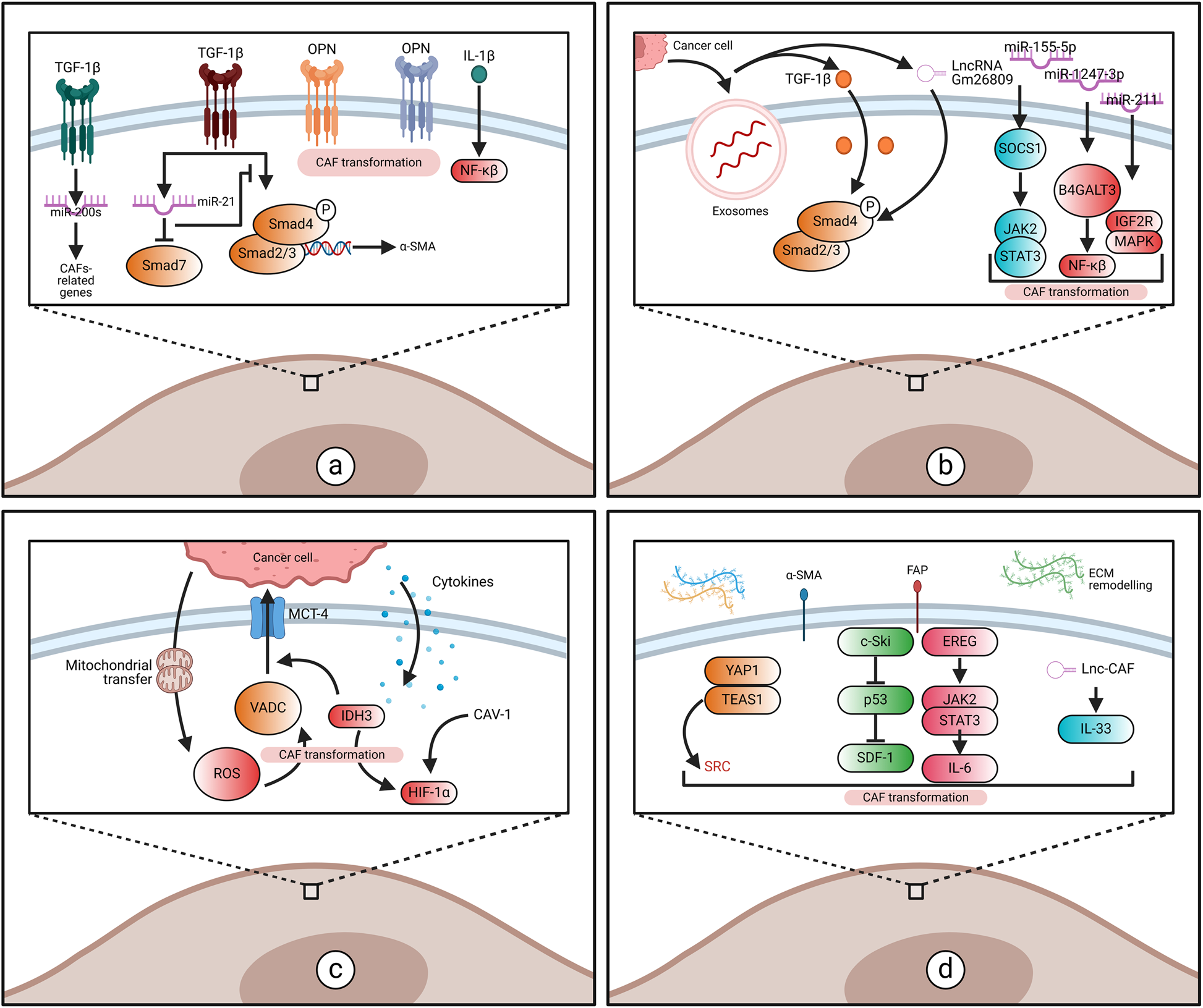
This article, published in Molecular Cancer, examines precision nanomedicine as a strategy to overcome barriers in cancer immunotherapy and targeted drug delivery by navigating the complex tumor microenvironment. Led by Hussein Sabit, Timothy M. Pawlik, and colleagues, the research addresses how nanoparticles can be engineered to penetrate hostile tumor tissue and enhance therapeutic efficacy. The tumor microenvironment presents significant challenges to conventional cancer treatments, including immunosuppressive factors, physical barriers, and poor drug penetration. The authors explore how nanomedicine platforms can be optimized to deliver immunotherapeutic agents and targeted drugs more effectively while minimizing systemic toxicity. By integrating nanotechnology with immunotherapy, this approach aims to improve treatment outcomes and overcome drug resistance. The work is particularly relevant for precision oncology, as it demonstrates how tailored nanomedicines can be designed to interact favorably with the tumor microenvironment rather than being hindered by it, potentially revolutionizing how cancer patients receive targeted therapeutic interventions.
Share on

mRNA processing in cancer immunotherapy: emerging targets, resistance mechanisms, and therapeutic opportunities
www.frontiersin.org
Oct. 14, 2026, 1:12 p.m.
Cancer immunotherapy has achieved significant clinical success, yet primary and acquired resistance, tumor heterogeneity, and limited safe targets remain major obstacles. This comprehensive review examines how mRNA processing mechanisms—including 5′ capping, splicing, alternative polyadenylation, RNA editing, epitranscriptomic modifications, nonsense-mediated decay, and translational control—enable tumor cells to evade immune recognition. The authors explore how alternative splicing generates tumor-specific isoforms and neoantigens for CAR and TCR-based therapies, how alternative polyadenylation affects checkpoint molecule expression like PD-L1, and how epitranscriptomic marks like m6A and ac4C influence antigen presentation and interferon signaling. The review emphasizes ADAR1-mediated RNA editing's role in immunotherapy resistance and NMD's function as an antigen filter. The authors discuss discovery technologies making these targets accessible and assess clinical translation status, including agent development, specificity, patient selection, and biomarkers. mRNA processing-derived targets offer promising new antigens and combination strategies for tumors with low mutational burden or checkpoint blockade resistance, though realizing this potential requires validating candidates at protein and HLA-peptide levels while addressing tumor-normal specificity, HLA restriction, heterogeneity, and safety concerns.
Share on

15 millions pour 15 000 heures de scanner : Meta finance un vaste projet de modélisation du cerveau humain
www.whatsupdoc-lemag.fr
Oct. 10, 2026, 12:08 p.m.
Dix laboratoires internationaux s'associent pour tenter de modéliser le fonctionnement du cerveau humain grâce à l'intelligence artificielle. Financé à hauteur de 15 millions de dollars par Meta, ce vaste projet prévoit de collecter 15 000 heures d'activité cérébrale, avec l'espoir de faire progresser le diagnostic et le traitement des maladies neurologiques.
Share on
Next-generation CAR-T cell therapy against cancer: precision engineering, programmable immunity, and emerging clinical frontiers - Journal of the Egyptian National Cancer Institute
link.springer.com
Oct. 10, 2026, 4:11 a.m.
# Professional Summary
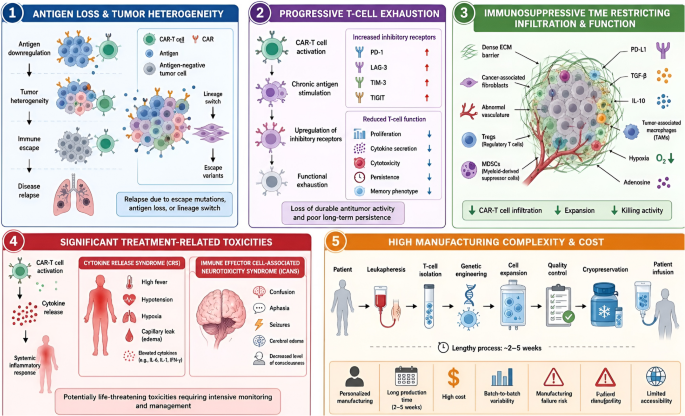
This open-access review article, published in the Journal of the Egyptian National Cancer Institute in September 2026, examines the advancement of next-generation CAR-T cell therapies in oncology treatment. The article explores three primary dimensions: precision engineering techniques that enhance CAR-T cell design and functionality, programmable immunity mechanisms that enable dynamic therapeutic control, and emerging clinical applications expanding beyond traditional hematologic malignancies. Next-generation CAR-T therapies represent a significant evolution from first-generation approaches, incorporating sophisticated modifications to improve efficacy, reduce toxicity, and overcome current limitations such as tumor microenvironment resistance and antigen escape. The review synthesizes recent clinical findings and emerging evidence, demonstrating how engineered safeguards and adaptive immune programming are enabling broader patient populations to benefit from cellular immunotherapy. This comprehensive analysis matters substantially for oncologists, immunologists, and healthcare strategists seeking to understand the trajectory of precision cancer immunotherapy and identify opportunities for improved patient outcomes in diverse cancer types.
Share on
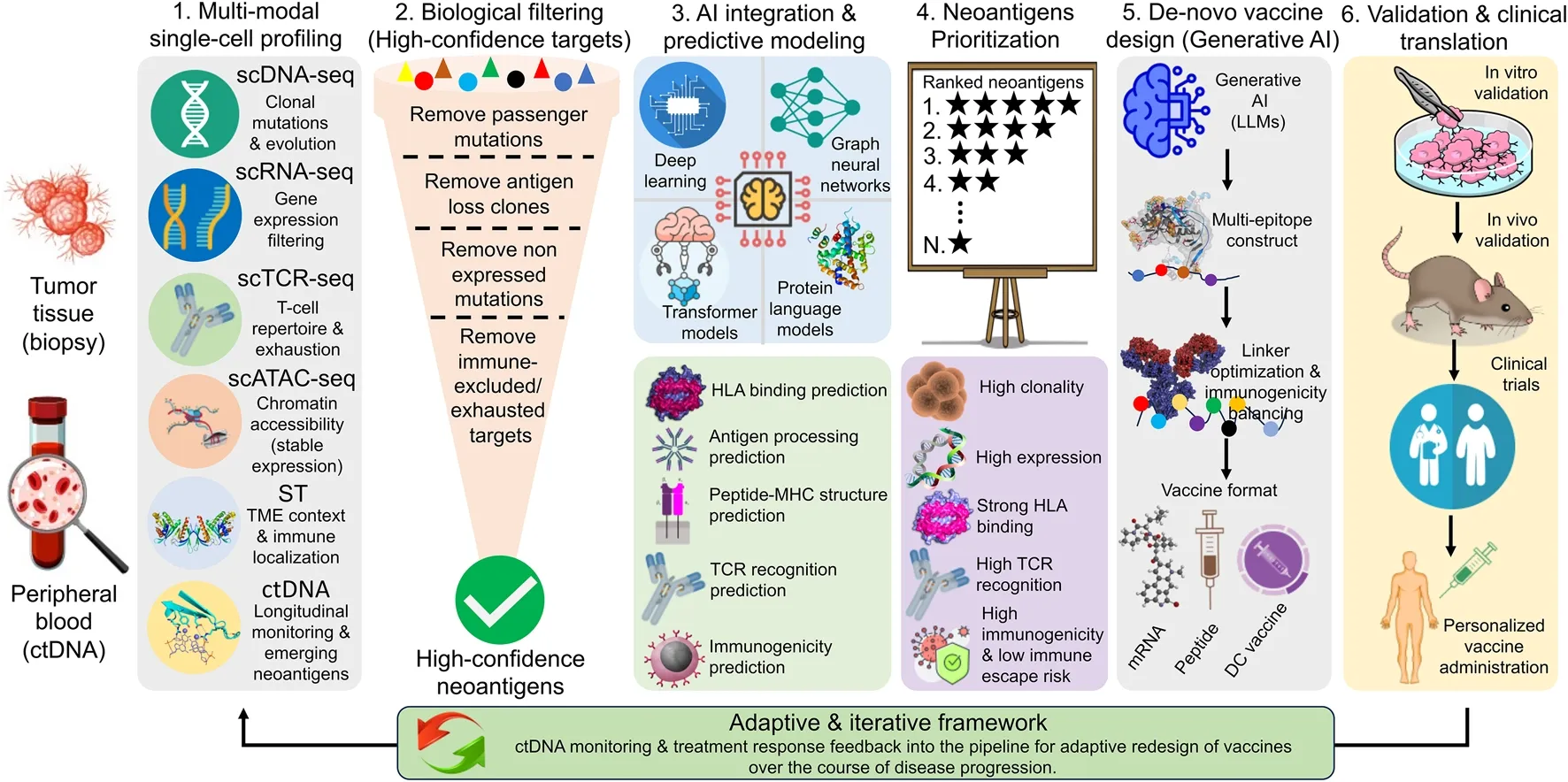
a framework integrating multi-modal single-cell genomics
www.frontiersin.org
Oct. 10, 2026, 4:11 a.m.
Researchers Mallik and Mollick have developed an innovative AI-driven framework that combines multi-modal single-cell genomics with reverse vaccinology to design personalized multi-epitope cancer vaccines. This approach leverages generative AI to establish genotype-phenotype modeling, enabling the de novo creation of cancer vaccines tailored to individual patients' molecular profiles. By integrating single-cell genomic data across multiple modalities, the framework identifies tumor-specific antigens and designs epitopes that can trigger robust immune responses against cancer cells. The methodology represents a significant advancement in personalized cancer immunotherapy, moving beyond conventional vaccine approaches by utilizing cutting-edge AI and comprehensive genomic analysis. This work, published in Frontiers in Genetics, demonstrates how artificial intelligence can accelerate the discovery and optimization of therapeutic cancer vaccines, potentially transforming treatment strategies by enabling rapid, patient-specific vaccine development. The framework's integration of multiple data modalities and AI-driven design principles offers promising implications for improving cancer immunotherapy outcomes and advancing precision medicine approaches in oncology.

Daraxonrasib Approval Signals a New Era for RAS-Targeted Therapy in Pancreatic Cancer
www.onclive.com
Oct. 10, 2026, 4:10 a.m.
The FDA approval of daraxonrasib (Rasonque), an oral pan-RAS inhibitor, marks a significant advancement in pancreatic cancer treatment. This approval represents a major breakthrough after decades of unsuccessful attempts to target RAS mutations, which occur in approximately 90-92% of pancreatic adenocarcinomas. The approval was supported by the phase 3 RASolute 302 trial, which randomized 500 patients with metastatic pancreatic adenocarcinoma whose disease had progressed after one prior systemic therapy line to receive either daraxonrasib or standard chemotherapy. Daraxonrasib demonstrated compelling efficacy, nearly doubling median overall survival to 13.2 months compared to 6.7 months with chemotherapy (HR 0.40; P<0.0001). Progression-free survival improved to 7.2 months versus 3.6 months (HR 0.49; P<0.0001), with objective response rates of 30% versus 11%. As a pan-RAS inhibitor blocking all RAS signaling, daraxonrasib provides a transformative treatment option for both therapy-resistant patients and those ineligible for multi-agent chemotherapy, fundamentally changing pancreatic cancer management approaches.
Share on

The Test Is the Ticket: Building Smarter Pathways to Clinical Trial Participation
www.appliedclinicaltrialsonline.com
Oct. 10, 2026, 4:09 a.m.
Laboratory results have traditionally marked the endpoint of clinical diagnosis, but precision medicine has transformed them into trial enrollment gateways. Today, biomarker testing determines patient eligibility and trial arm assignment, yet access remains fragmented and results often arrive in formats that matching systems cannot process. The fundamental challenge is diagnostic rather than enrollment-related. Pathology reports delivered via fax or unstructured PDFs require optical character recognition, which introduces errors that exclude eligible patients. The solution lies in reporting results as structured, coded data capturing analytes, values, methods, and specimen details—information that flows directly into patient-matching algorithms rather than remaining trapped in clinical documents. Large language models show promise in synthesizing structured and unstructured patient records across diagnosis, treatment history, and prior response, though clinician judgment remains essential for confirming genuine matches. A critical but often overlooked issue is timeline misalignment: while trials schedule eligibility testing at screening, labs require separate development timelines to validate assays. Bridging these gaps through standardized data architecture and integrated lab-sponsor planning is essential to making diagnostic testing truly functional for precision medicine trials.
Share on
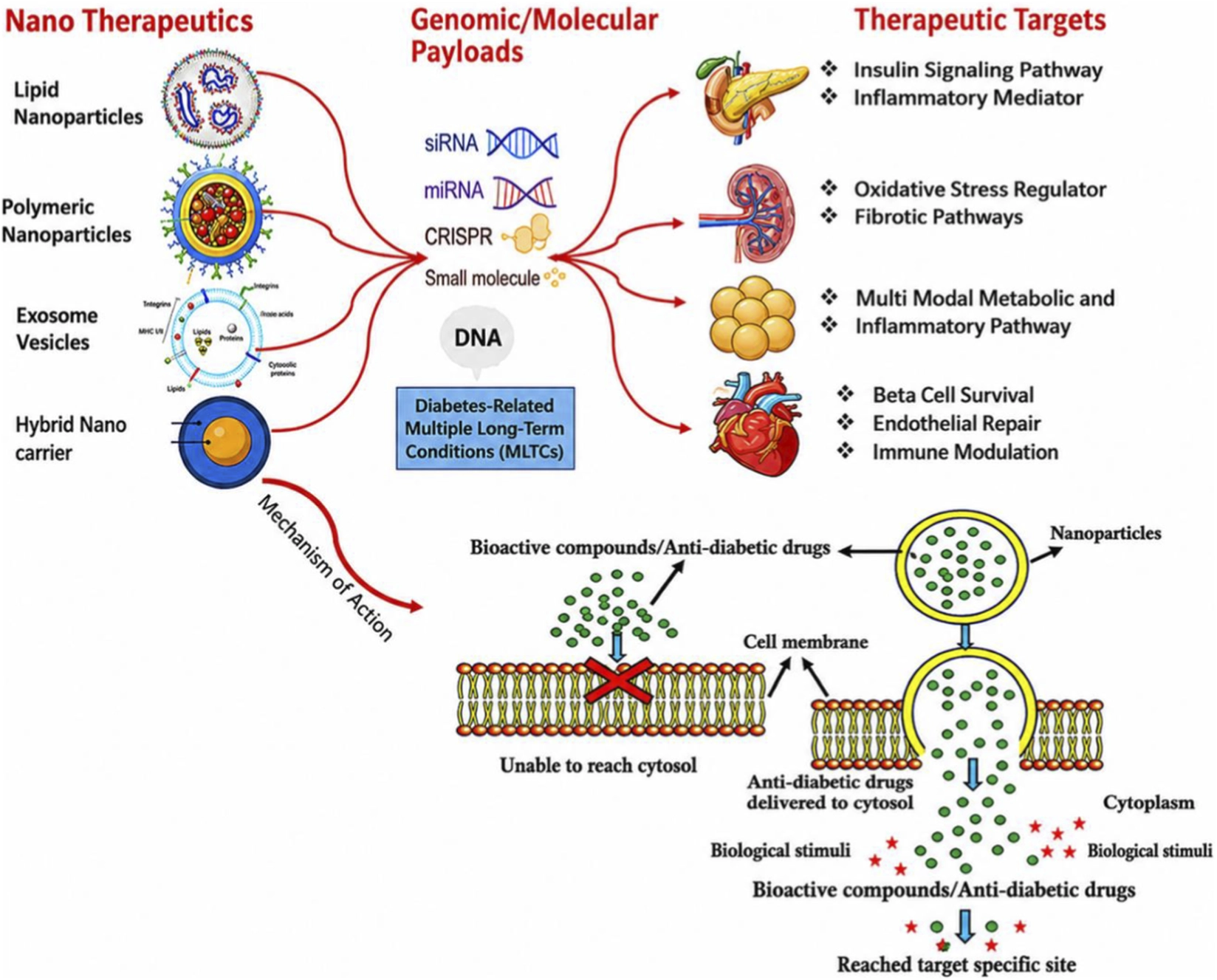
Nanostructure driven innovation in diabetes: from enhanced biosensing to smart therapeutic delivery
www.frontiersin.org
Oct. 9, 2026, 9:47 a.m.
Diabetes mellitus remains a significant global health challenge due to rising incidence rates and limitations of conventional treatment approaches, particularly regarding poor drug bioavailability, frequent dosing requirements, and lack of real-time glucose regulation. Recent advances in nanotechnology offer promising solutions for diabetes prevention, diagnosis, and management through smart health and precision medicine applications. This review examines emerging nanostructure-based innovations across two critical domains: glucose monitoring and therapeutic delivery. Novel drug delivery systems leverage nanoparticles, liposomes, sustained-release implants, and microneedles to enhance insulin bioavailability, reduce enzymatic degradation, and improve patient adherence while minimizing side effects. Glucose-responsive smart devices represent a breakthrough, delivering medication only during hyperglycemic episodes. Simultaneously, nanotechnology-enabled biosensors and wearable devices have revolutionized glucose monitoring with enhanced sensitivity and specificity, integrating seamlessly with digital healthcare platforms. The synergy between nanotechnology, artificial intelligence, and real-world health data enables personalized diabetes management through predictive monitoring and adaptive insulin delivery systems. However, clinical translation barriers, biosafety concerns, and regulatory challenges remain obstacles. Continued interdisciplinary collaboration among materials scientists, bioengineers, and clinicians is essential to fully realize nanotechnology's potential in transforming diabetes care and substantially improving patient outcomes.
Share on
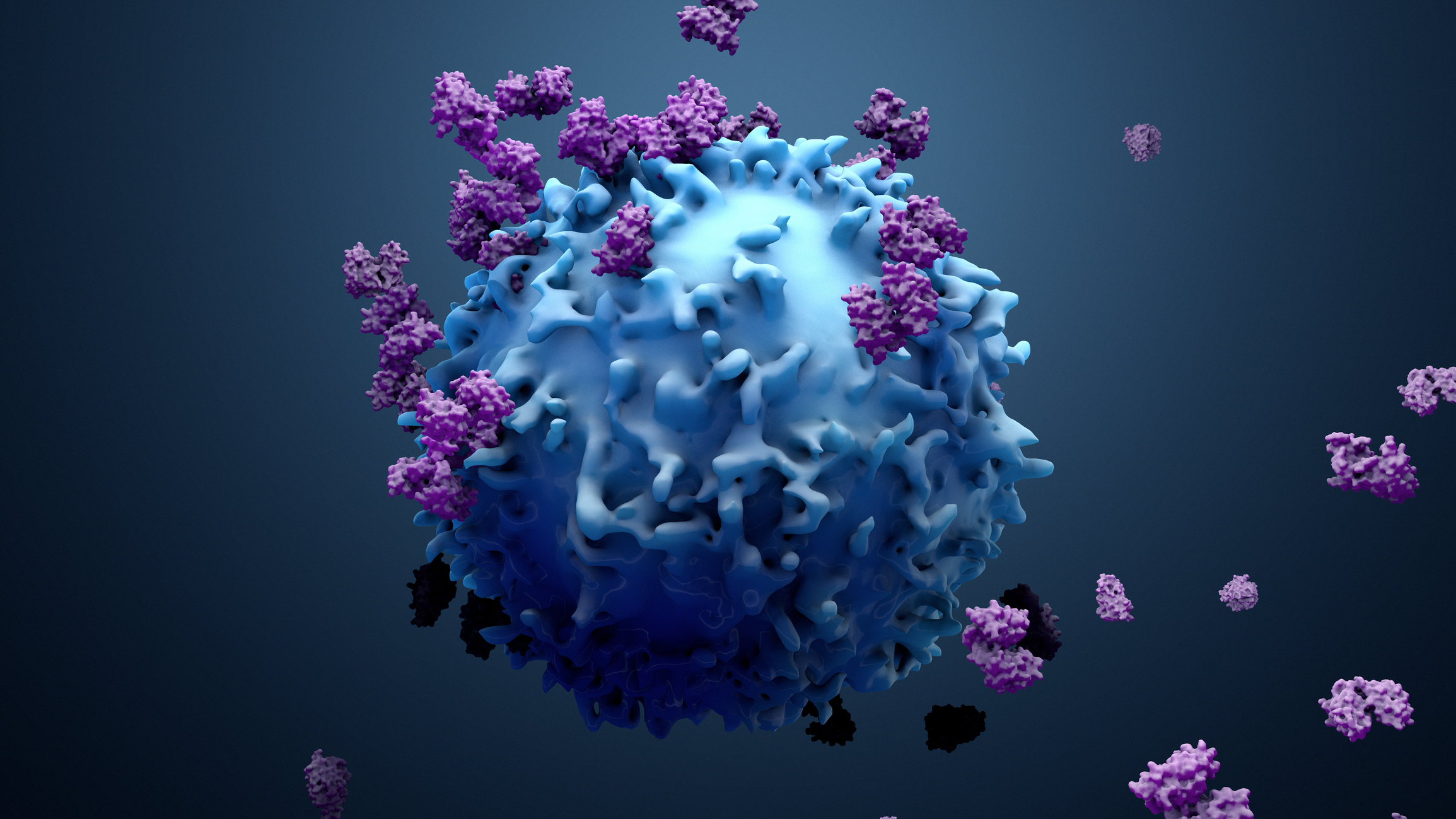
In vivo CAR-T can solve the delivery problem – but solid tumours demand more
pharmaphorum.com
Oct. 7, 2026, 6:30 p.m.
CAR-T cell therapy has transformed the treatment of several haematological malignancies, but its impact in solid tumours has remained frustratingly limited. Now, a new generation of in vivo CAR-T cell technologies promises to remove some of the biggest practical barriers associated with conventional cell therapy.
Share on
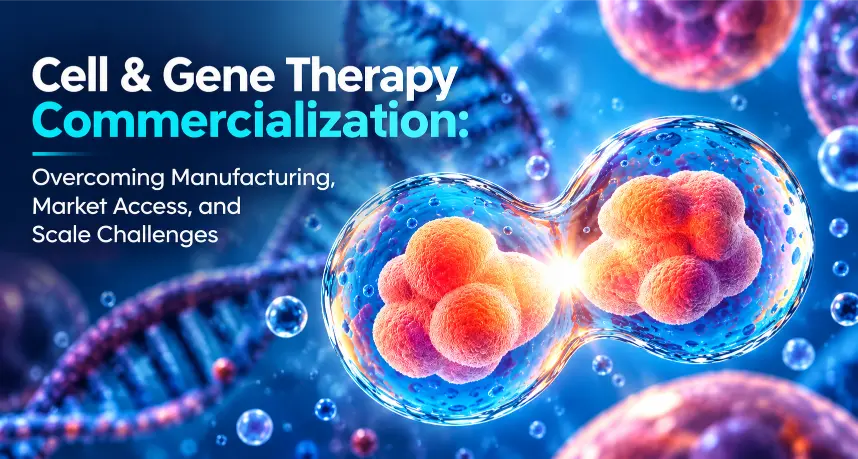
Cell & Gene Therapy Commercialization: Key Challenges
www.apothiumai.com
Oct. 7, 2026, 6:28 p.m.
Cell and gene therapies are transforming the pharmaceutical industry, but commercial success requires coordinated planning across manufacturing, regulation, market access, reimbursement, supply chains, patient identification, and long-term value demonstration.
Share on
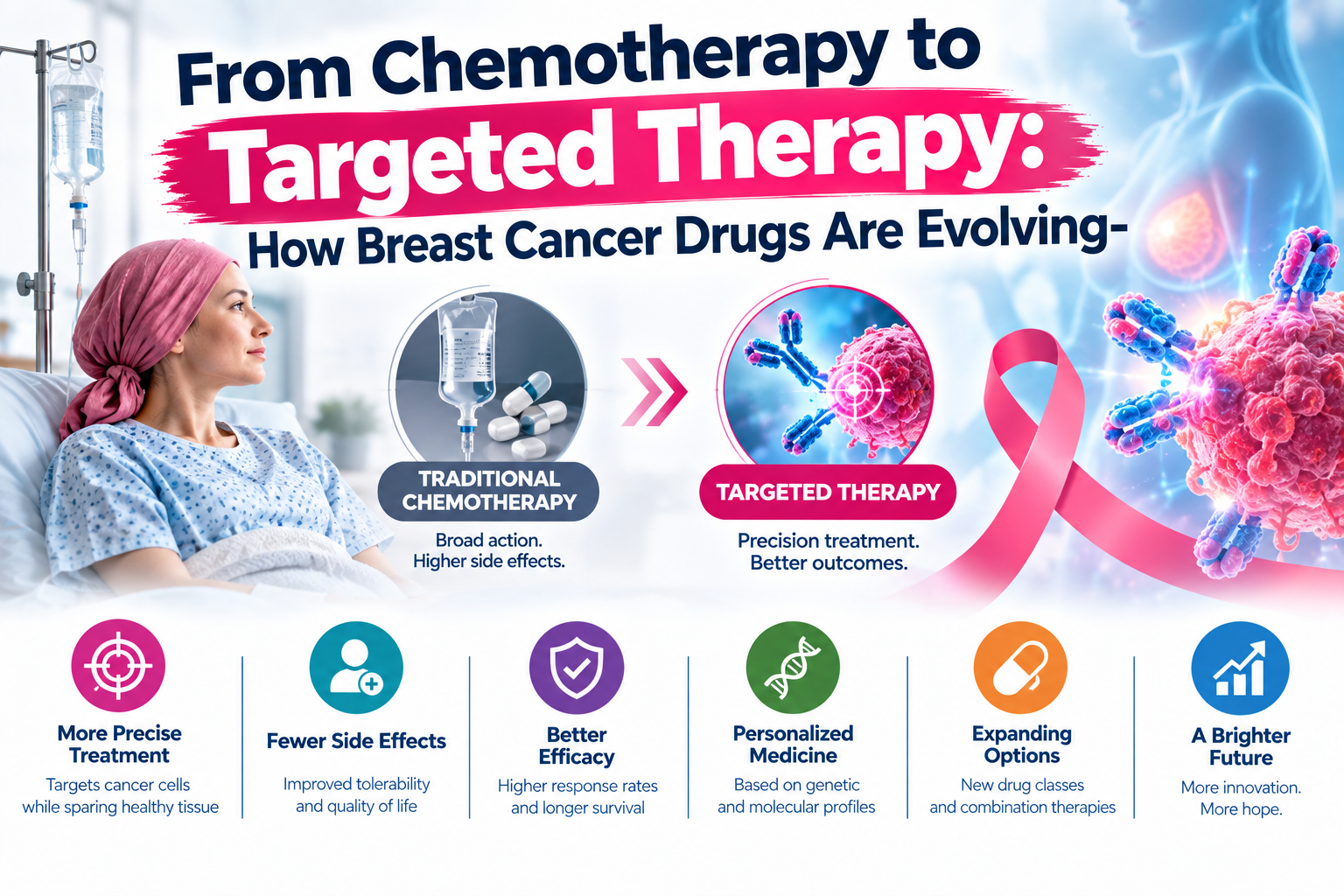
From Chemotherapy to Targeted Therapy: How Breast Cancer Drugs Are Evolving
www.sphericalinsights.com
Oct. 7, 2026, 6:28 p.m.
Breast cancer treatment is shifting from conventional chemotherapy toward targeted therapies, antibody-drug conjugates and biomarker-driven combinations, creating new opportunities for precision oncology and pharmaceutical innovation.
Share on

FDA Approves Imlunestrant Plus Abemaciclib for ESR1-Mutated Advanced Breast Cancer After Endocrine Therapy
oncodaily.com
Oct. 7, 2026, 6:26 p.m.
In the ESR1-mutated subgroup of EMBER-3, adding imlunestrant plus abemaciclib doubled median progression-free survival from 5.5 to 11.1 months, with a hazard ratio of 0.53. The approval therefore establishes another biomarker-defined treatment option for ER-positive/HER2-negative metastatic breast cancer after endocrine progression and further strengthens the clinical importance of identifying ESR1 mutations during the course of disease.
Share on
A summary of some notable key multiple myeloma research from August-September 2026
www.myeloma.org
Oct. 7, 2026, 1:12 p.m.
The International Myeloma Foundation's medical editorial team has compiled a comprehensive clinical update covering multiple myeloma research published in August-September 2026, reviewed by Dr. Joseph Mikhael. The update addresses diagnosis, risk stratification, and management of both multiple myeloma and smoldering multiple myeloma (SMM). Multiple myeloma diagnosis requires ≥10% clonal bone marrow plasma cells or biopsy-proven plasmacytoma with at least one myeloma-defining event, including CRAB features or biomarkers such as ≥60% clonal plasma cells, serum free light chain ratio ≥100, or >1 focal lesion on MRI. Current treatment incorporates anti-CD38 monoclonal antibodies (daratumumab or isatuximab), bortezomib, lenalidomide, and dexamethasone, potentially followed by autologous stem cell transplantation. Relapsed disease management includes CAR-T cell therapy, bispecific antibodies, and belantamab mafodotin. Notably, the AQUILA randomized trial demonstrated that three years of daratumumab in high-risk SMM patients significantly delayed progression to active myeloma and improved survival, achieving 63.1% versus 40.8% five-year progression-free survival compared with active monitoring alone.
Share on
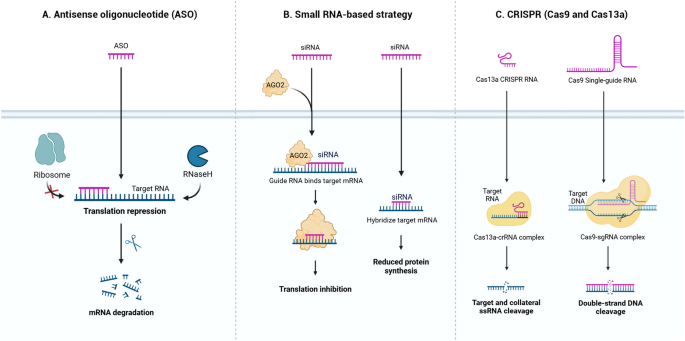
Nucleic Acid-Based Antimicrobial Strategies Against Drug-Resistant Staphylococcus aureus: A Review of Mechanisms of Action and Delivery Approaches - Infectious Diseases and Therapy
link.springer.com
Oct. 7, 2026, 1:11 p.m.
This open-access review examines nucleic acid-based antimicrobial strategies as emerging therapeutic approaches against drug-resistant Staphylococcus aureus, a major public health threat. The article comprehensively analyzes the mechanisms of action underlying nucleic acid therapeutics, including antisense oligonucleotides, small interfering RNAs, and aptamers, which target bacterial pathogenicity factors and resistance mechanisms. The review critically evaluates various delivery approaches essential for effective antimicrobial efficacy, such as nanoparticle carriers, liposomes, and conjugation strategies that enhance bacterial cell penetration and bioavailability. Published in Infectious Diseases and Therapy in September 2026, this work addresses the growing clinical challenge of methicillin-resistant S. aureus and other resistant strains by exploring how nucleic acid therapeutics can modulate virulence genes and resistance pathways. The significance lies in identifying alternative treatment paradigms beyond conventional antibiotics, offering potential solutions to antimicrobial resistance while reducing selective pressure. This comprehensive analysis provides valuable insights for researchers and clinicians developing next-generation therapeutic options for difficult-to-treat staphylococcal infections.
Share on