
The association between e-cigarette use and sleep health: A systematic review and meta-analysis
www.tobaccoinduceddiseases.org
Sept. 26, 2026, 7:37 a.m.
A comprehensive systematic review and meta-analysis examining the relationship between e-cigarette use and sleep health found that users experience 38% higher odds of sleep-related problems compared to never users. The analysis synthesized data from 16 cross-sectional studies encompassing over 150,000 participants, focusing exclusively on e-cigarette users to isolate the independent effects of vaping on sleep quality. The research identified nicotine's stimulant properties as a primary mechanism underlying sleep disruption, as the substance affects the central nervous system and impairs both sleep initiation and maintenance. Notably, the study found comparable adverse effects across both adolescent and adult populations, though adolescents may be particularly vulnerable due to their developing neurobiological systems and heightened sensitivity to nicotine exposure. Additional psychosocial stressors including academic pressure and peer influences may compound sleep disturbances in younger users. These findings contribute significantly to existing literature on substance use and sleep patterns, placing e-cigarettes alongside alcohol, marijuana, and cigarettes as agents that substantially compromise sleep health across age groups.
Share on

Harm Reduction and the Tobacco Industry’s Agenda
www.parallelnewstv.com.ng
Sept. 26, 2026, 7:36 a.m.
Audu's story exemplifies the growing threat of nicotine addiction in Nigeria, where at age twenty-one, early tobacco use triggered respiratory diseases and derailed his education. Dr Pavel Ursu of the WHO cited this case to illustrate tobacco's devastating impact on young lives. However, Nigeria's nicotine market is undergoing significant transformation beyond traditional cigarettes. The tobacco industry now markets alternative nicotine delivery systems including vapes, heated tobacco products, and nicotine pouches—products designed to appear technological, lifestyle-oriented, and crucially, positioned as harm reduction solutions. These products, available in various flavours and discreet formats, are increasingly visible in Nigerian retail environments, with investigations by The Colonist Report Africa documenting disposable vapes containing two to five percent nicotine in Port Harcourt markets and supermarkets in 2024. The industry's strategic shift toward harm reduction messaging raises critical concerns about commercial motivations disguised as public health solutions. This evolving landscape contextualizes the controversy surrounding the proposed amendment to Nigeria's National Tobacco Control Act, which extends beyond legislative disagreement to represent a fundamental struggle over how the tobacco industry adapts its communication strategies, diversifies product offerings, and builds political alliances in developing markets.
Share on
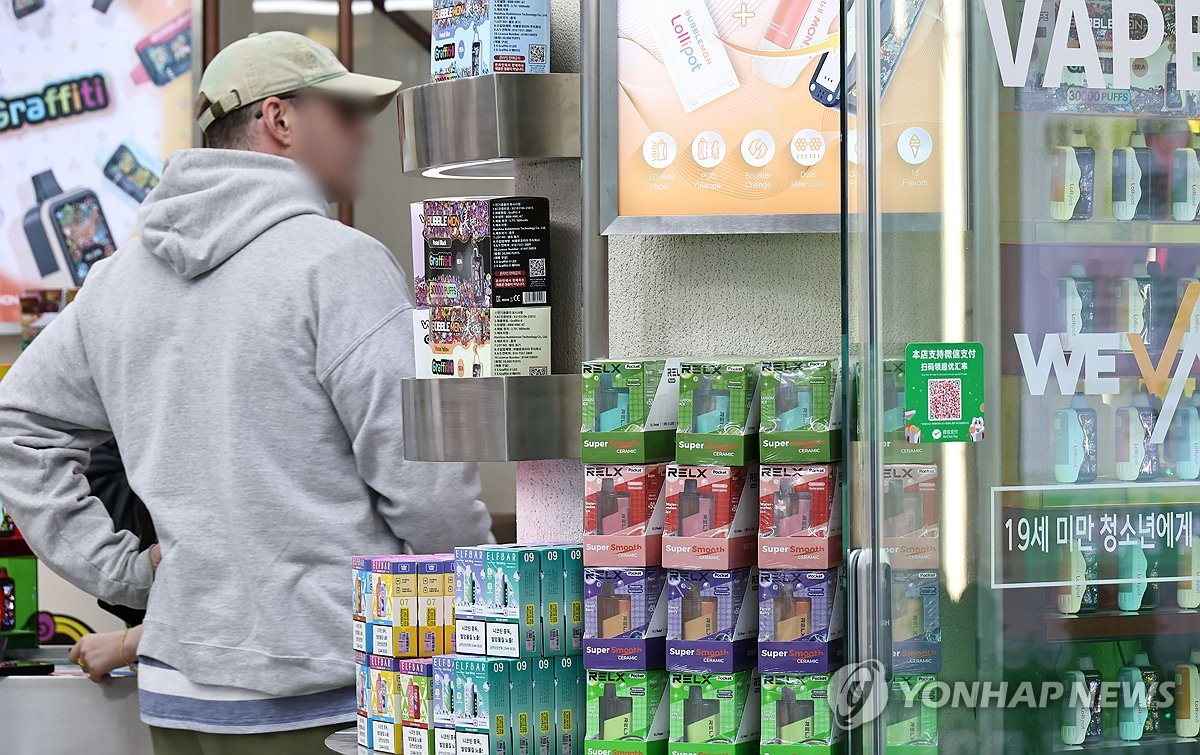
South Korea Fully Reviews Nicotine-Analog and Nicotine-Free Vape Liquid Imports, With Over 99% From China and Chinese Supply-Chain Documents Under Scrutiny
www.2firsts.com
Sept. 26, 2026, 7:36 a.m.
South Korea has implemented full document review and pre-clearance ingredient analysis for all e-cigarette liquid imports, according to the Korea Customs Service announcement on September 23, 2026. This intensified scrutiny follows the country's revised Tobacco Business Act, which took effect on April 24, 2026, expanding the regulatory definition of tobacco to include products containing synthetic nicotine derived from non-tobacco sources. As of mid-September, South Korea had imported approximately 15 metric tons of nicotine-analog liquids and 316 metric tons of nicotine-free liquids, with China accounting for over 99% of both categories. The regulatory framework introduced a two-year tax transition period during which certain levies, including individual consumption tax and the National Health Promotion levy, are applied at 50% of ordinary rates. Customs authorities cite heightened risk that taxable products may be misclassified as nicotine-free or analog liquids to evade applicable taxes and controls. In response, Korean officials have incorporated Chinese production and export documentation verification into their import assessment procedures, implementing progressive enforcement measures throughout 2026 to ensure compliance with the new tobacco regulatory regime.
Share on

Outlaw Dip Review: What Is in the Can, Including 6MN
www.takeroon.com
Sept. 26, 2026, 7:36 a.m.
Outlaw Dip is an American-made, tobacco-free moist snuff founded in 2017 and headquartered in New York, featuring black tea leaves as its base and available in multiple formats including fat cut, fine cut, and pouches across flavors like Wintergreen, Mint, and Georgia Peach. Despite labeling products as "Tobacco & Nicotine Free" and "Powered by NiC-SAFE," the brand's ingredient lists prominently feature 6MN, which Outlaw identifies as 6-methyl nicotine, a synthetic compound structurally related to nicotine. A 2026 Chemical Research in Toxicology review by Raghu et al. identifies Outlaw among brands using this ingredient and raises concerns about labeling accuracy and transparency, particularly given the discrepancy between marketing claims of nicotinamide content and actual 6MN inclusion. Critically, the toxicity and cytotoxicity of 6MN remain understudied, and preclinical research suggests it exhibits stronger effects than traditional nicotine. This divergence between product claims and actual composition presents significant transparency issues for consumers seeking genuine nicotine-free alternatives.
Share on

Female Celebrities Who Vape: The Smoking Gun of Modern Stardom
hub.stellantis.com
Sept. 26, 2026, 7:36 a.m.
# Summary
This article examines the phenomenon of female celebrities promoting vaping and its broader societal implications. Celebrities cite perceived health benefits, discretion, and the absence of tobacco odors as reasons for choosing vaping over traditional cigarettes, positioning it as aligned with modern, technology-focused lifestyles. However, notable figures including Jennifer Aniston and Kate Winslet have publicly opposed vaping due to concerns about long-term health effects and youth normalization. Vape companies actively recruit celebrity influencers through financial incentives, product placements, and equity stakes, leveraging social media to ensure promotions appear authentic. Popular flavors marketed to female consumers include fruity and dessert-inspired options like mango, strawberry, and vanilla custard, often labeled as "clean" or "natural." Research indicates that celebrity visibility significantly correlates with increased nicotine consumption among teenagers, particularly young women, as vaping becomes associated with glamour and rebellion. While numerous countries have implemented stricter advertising regulations and banned celebrity endorsements in certain media, companies circumvent restrictions through indirect promotion via social media and entertainment placements, highlighting the ongoing challenge of regulating celebrity influence in the vaping industry.
Share on

Tobacco and Nicotine Prevention Policy
www.preventncd.eu
Sept. 19, 2026, 7:37 a.m.
Tobacco remains one of Europe's most significant preventable health threats, causing approximately 1.1 million deaths annually in the WHO European Region and accounting for 71 percent of male and 46 percent of female lung cancer deaths. The landscape is increasingly complex, as emerging products including e-cigarettes and nicotine pouches create new pathways to nicotine dependence, particularly among youth. These innovative products leverage attractive designs, flavors, and digital marketing strategies that outpace regulatory frameworks. Policymakers face a critical opportunity to implement comprehensive tobacco and nicotine control measures addressing product design, pricing, marketing, and availability rather than relying solely on information-based prevention. The WHO Framework Convention on Tobacco Control provides foundational guidance, though contemporary products require timely regulatory adaptation. Effective prevention must reshape commercial environments and regulate how products are promoted and distributed, recognizing that nicotine's addictive nature and product innovation cannot be countered through consumer choice alone. Strategic policy intervention can substantially reduce tobacco and nicotine-related harm while protecting vulnerable populations and relieving healthcare system burdens.
Share on

La Médiatrice européenne enquête sur des contacts de la Commission européenne avec des lobbyistes du tabac
www.generationsanstabac.org
Sept. 19, 2026, 7:37 a.m.
The European Ombudsman, Teresa Anjinho, has initiated an investigation into the European Commission's Directorate-General for Trade (DG TRADE) following a complaint by anti-tobacco alliance Contre-Feu. The inquiry examines alleged regular, non-transparent, and unnecessary contacts between DG TRADE and tobacco industry representatives, which the organization contends could undermine tobacco control policies in developing nations and violate the EU's obligations under the WHO Framework Convention on Tobacco Control. Article 5.3 of the FCTC requires parties to protect public health policies from industry influence. The investigation was prompted by a 2025 Politico and The Examination report documenting exchanges between Commission officials and Philip Morris International (PMI), including measures allegedly benefiting the company regarding Turkish tobacco taxation. PMI maintains it engages with policymakers on cigarette alternatives, trade, and taxation matters. This scrutiny reflects heightened oversight of transparency and independence in tobacco regulation implementation across the European Union.
Share on
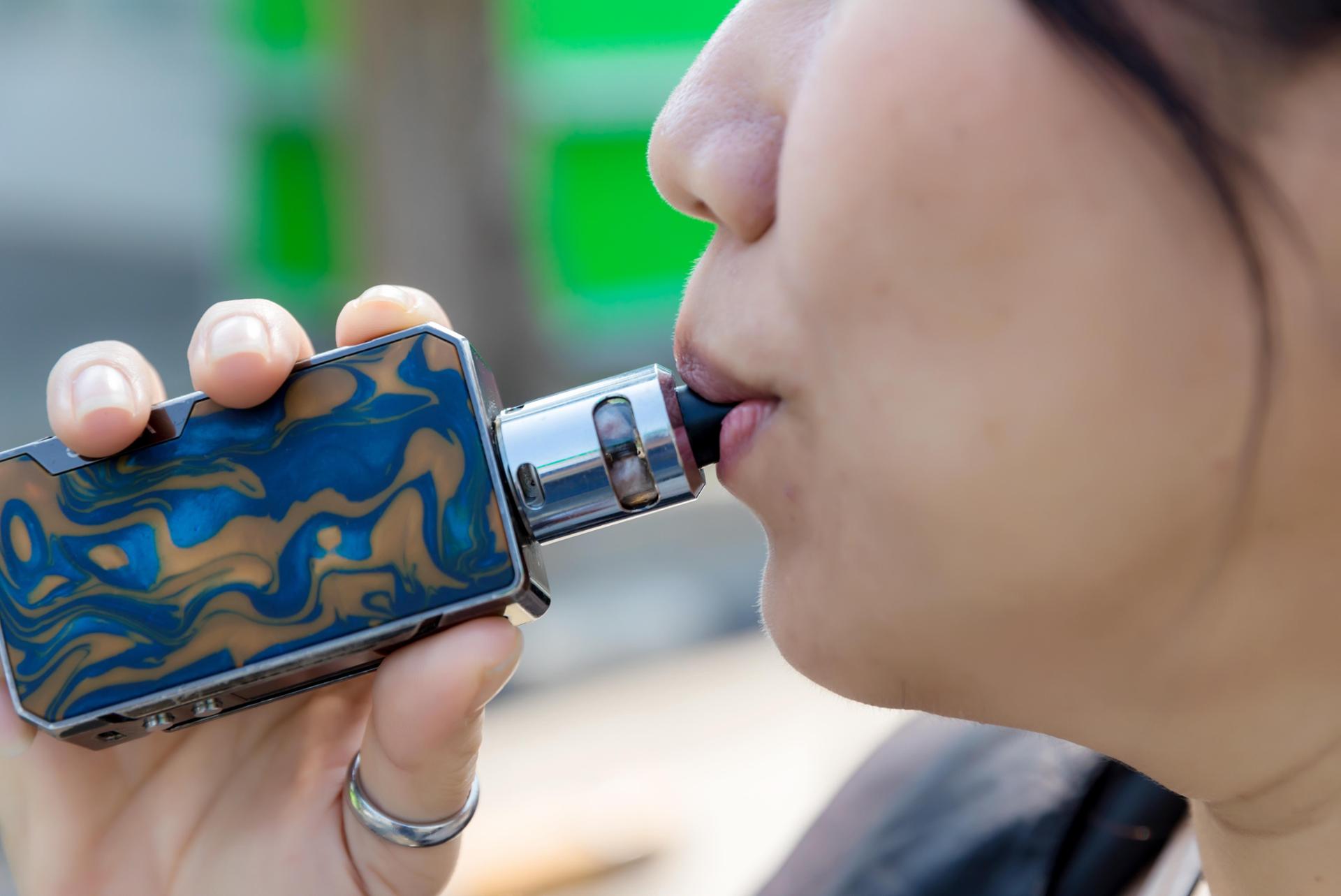
Nicotine-like products expose blind spot in e-cigarette rules - The Korea Times
www.koreatimes.co.kr
Sept. 19, 2026, 7:36 a.m.
Following South Korea's April 2024 revision to the Tobacco Business Act extending regulations to nicotine-containing e-cigarettes, a significant regulatory gap has emerged around nicotine-free and nicotine-imitation products. These substances remain outside the legal definition of tobacco, allowing retailers to market them without advertising restrictions using phrases like "strong hit" or "intense coolness." Many products use 6-methylnicotine, a synthetic compound with a molecular structure similar to nicotine that exhibits cytotoxicity but lacks comprehensive safety verification. A 2024 Korea Consumer Agency survey revealed mislabeling is widespread, discovering actual nicotine in seven of twelve products marketed as nicotine-free, while compliance with the Juvenile Protection Act is inadequate—five of fifteen examined liquids lacked required warning labels and nine failed labeling standards. As unmanned shops and online retailers exploit this loophole by shifting to unregulated nicotine alternatives, the government has announced cautionary measures in June to address this oversight. Industry experts emphasize the need for comprehensive regulatory frameworks to protect public health, particularly minors, from inadequately tested substances.
Share on

Policy matters: Pushing back against 'novel' tobacco and nicotine products
www.escardio.org
Sept. 12, 2026, 7:46 a.m.
Decades of tobacco control policy have successfully reduced adult tobacco use in Europe from nearly 40% in 2002 to 24% by 2023, through higher prices, marketing restrictions, packaging regulations, and workplace smoking bans. However, novel nicotine products such as vaping and snus now pose an emerging public health threat. While manufacturers promote these alternatives as less harmful than cigarettes and potential smoking cessation aids, Professor Paul Dendale of Hasselt University argues this narrative is incomplete. Unlike clinically proven nicotine replacement therapies used short-term, vaping users often continue indefinitely. More concerning, these products are aggressively marketed to youth through appealing flavors like Blueberry and Blue Razz Lemonade, creating lifelong nicotine dependencies among younger generations. The European Society of Cardiology advocates for comprehensive European policy mirroring successful cigarette control measures, including increased taxation and stronger advertising restrictions. Teenagers respond to price sensitivity and marketing tactics such as colorful packaging. Notably, nicotine in novel products already shows effects on coronary artery disease precursors, eliminating the need to wait decades for confirmation of harm. The FDA's 2019 age restriction to 21 in the US successfully reduced youth use, contrasting sharply with Europe's growing alternative tobacco market.
Share on
Des cigarettes « sans » tabac et nicotine au centre d’inquiétudes sanitaires et réglementaires
www.generationsanstabac.org
Sept. 12, 2026, 7:45 a.m.
Researchers have identified emerging combustible cigarettes marketed as tobacco and nicotine-free that may circumvent U.S. regulations while posing unquantified health risks. Choice Smokes, manufactured by Signature Brands of America LLC, are branded as "ercigs" (Ersatz Cigarettes) and marketed under the slogan "No tobacco taxes. No regulation." Despite claims of eliminating harmful tobacco substances, the products contain significant combustion byproducts. Critically, although manufacturers claim absence of nicotine, Choice Smokes marketing materials reference NOVARA, identified by researchers as 6-methylnicotine (6MN), a nicotine analog with similar but distinct chemical structure. This molecule, previously studied industrially during the 1960s-1980s, has appeared in e-cigarettes and nicotine sachets under various brand names including Metatin and Imotine. An article published in Tobacco Control warns these products exploit regulatory gaps while exposing consumers to poorly understood addiction and toxicity risks. The distinction between traditional nicotine and its analogs raises significant public health concerns regarding product classification and consumer protection standards.
Share on
NIH funds nicotine analog study amid calls for tougher illicit vape enforcement - Patient Daily
patientdaily.com
Sept. 12, 2026, 7:45 a.m.
The National Institutes of Health has awarded the University of Rochester $583,304 to fund a five-year study examining nicotine analogs in vaping products, beginning in August 2024 and continuing through July 2031. The research, led by Irfan Rahman, will investigate 6-methyl nicotine (6-MN or metatine) and nicotinamide-based substitutes like Nixamide and Nixodine—chemicals that Chinese manufacturers are reportedly using to circumvent federal tobacco regulations. These analogs produce nicotine-like effects while potentially falling outside existing FDA definitions, allowing manufacturers to market products as "nicotine-free." The comprehensive study will compare analogs with tobacco-derived and synthetic nicotine using human lung epithelial cells, three-dimensional lung models, and mouse inhalation exposure, measuring aerosol chemistry, reactive oxygen species, aldehydes, and lung damage. Researchers hypothesize that analog-containing vapes may generate more harmful chemicals than conventional nicotine products. This initiative addresses growing regulatory concerns from officials like the Border Security Alliance president, who has characterized the use of these compounds as a "calculated effort" to evade U.S. oversight of illicit vaping products.
Share on
Worse than nicotine—is Switzerland prepared for these Chinese vapes?
www.bluewin.ch
Sept. 5, 2026, 1:19 p.m.
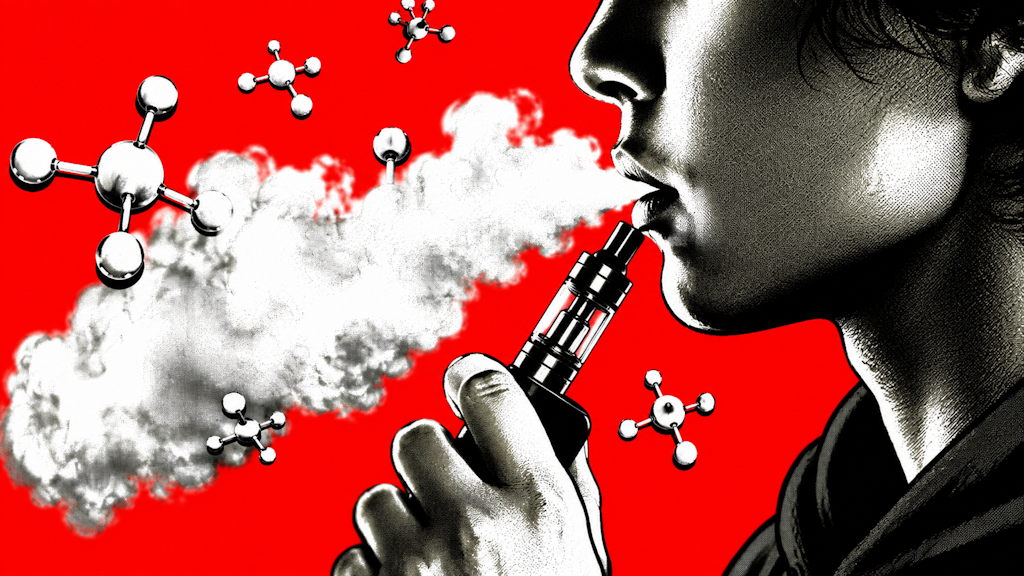
Chinese manufacturers are circumventing tobacco laws by filling vapes with 6-methylnicotine, a substance that has been little studied and may be more addictive than nicotine. The first products are now available in Switzerland, but the Tobacco Products Act does not cover this substance. Tobacco prevention advocates are calling for an immediate ban, and a Green Party member of the National Council has submitted an interpellation.
Share on
E-Cigarettes, Vapes, and other Electronic Nicotine Delivery Systems (ENDS)
www.fda.gov
Sept. 4, 2026, 6:48 p.m.
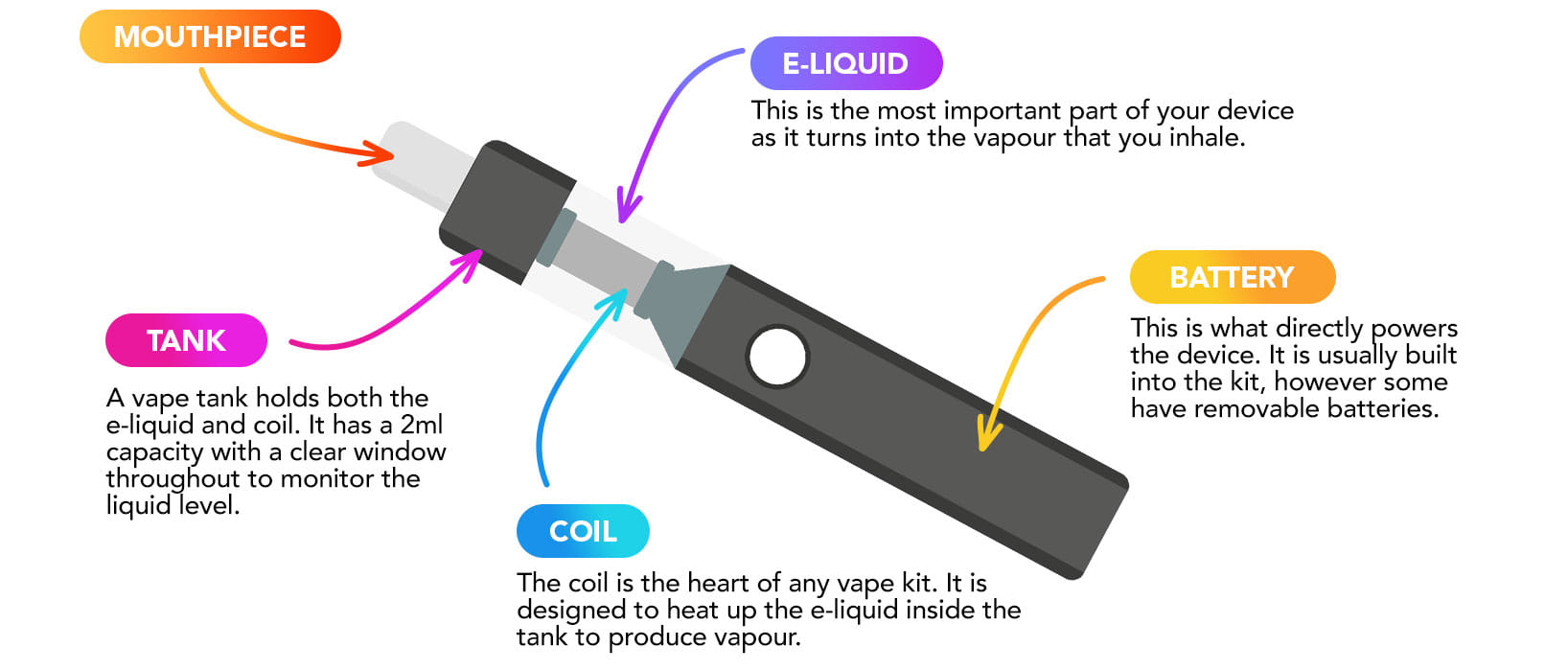
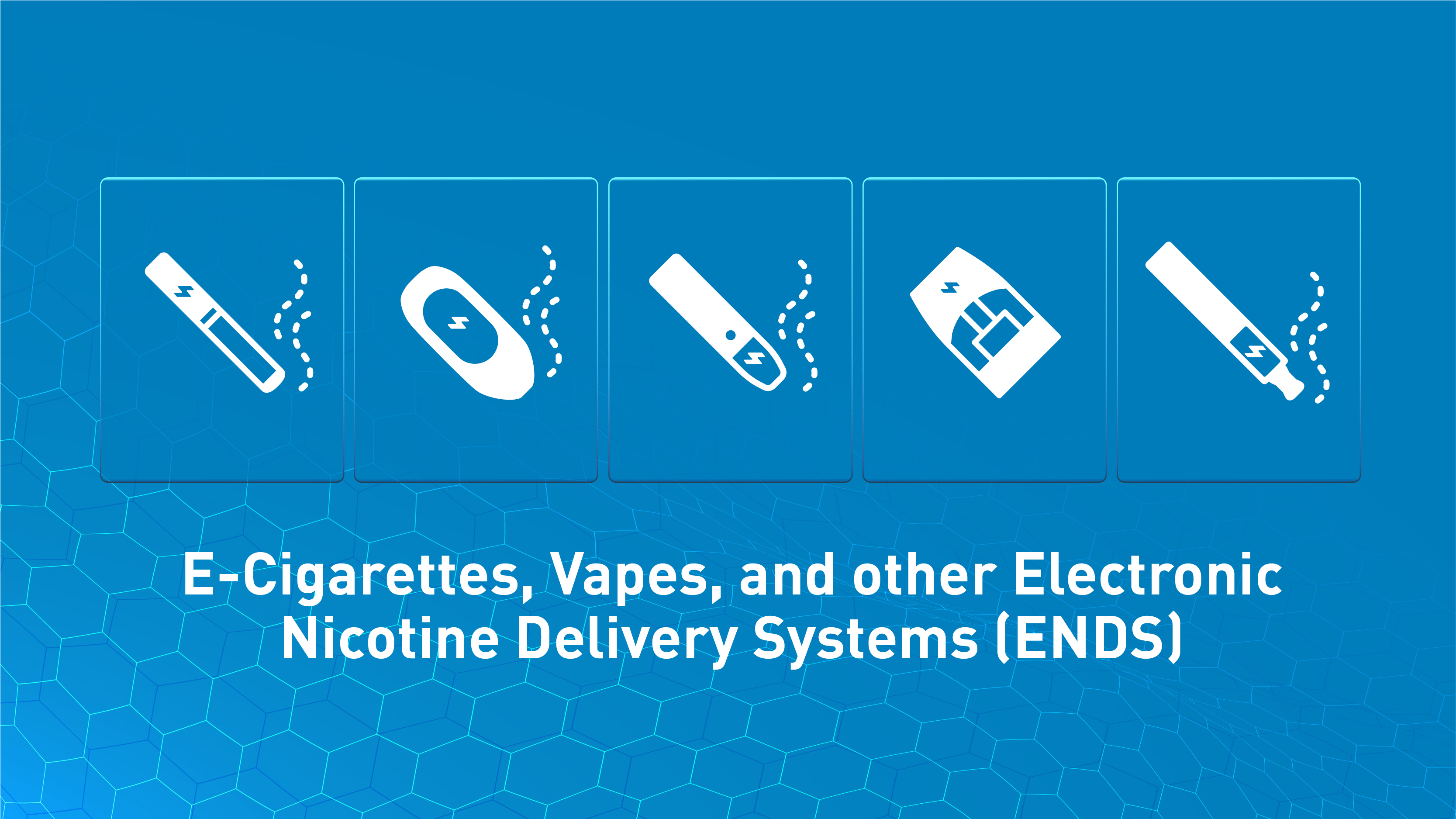
Electronic nicotine delivery systems (ENDS), commonly known as e-cigarettes, vapes, and vaporizers, are devices that heat e-liquid containing nicotine, flavorings, propylene glycol, and vegetable glycerin to create an inhalable aerosol. These products vary widely in design, from devices resembling conventional cigarettes to larger tank systems and disposable units. While e-cigarettes may offer reduced risk compared to combusted tobacco for adult smokers who completely switch, they are not risk-free. ENDS deliver harmful chemicals and contain highly addictive nicotine, necessitating further high-quality research on long-term health effects. The FDA has documented concerning youth usage trends through problem reports and violation reports, prompting educational prevention programs. The agency emphasizes that non-tobacco users, particularly adolescents, should not initiate e-cigarette use. For adult smokers, complete cessation of traditional cigarettes in favor of FDA-authorized ENDS products may reduce exposure to harmful chemicals, though prolonged dual use negates potential benefits and maintains health risks comparable to exclusive cigarette consumption.
Share on

Hundreds of meetings, €8 million a year: How Big Tobacco lobbies the EU
www.euronews.com
Sept. 4, 2026, 6:47 p.m.
EU lawmakers face intensifying tobacco industry influence, with meetings between MEPs and tobacco representatives surging 57 percent to an average of 23 monthly by June 2026, according to Transparency International's Integrity Watch database. The tobacco sector invests between €8 million and €10 million annually in direct EU lobbying while employing over 100 registered lobbyists, making it one of Brussels' most powerful corporate forces. Major players including Philip Morris International, British American Tobacco, Japan Tobacco International, and Imperial Brands, alongside trade associations like Tobacco Europe, dominate access to policymakers. The imbalance is stark: during one legislative period, public health NGOs secured only 12 MEP meetings while Philip Morris alone achieved 121. The industry focuses lobbying efforts on vaping regulation, heated tobacco products, nicotine pouches, and tax reduction. This concentrated corporate advocacy presents a significant counterweight to public health initiatives as the EU pursues its Beating Cancer Plan objective of creating a tobacco-free generation by 2040, raising concerns about commercial interests overshadowing evidence-based public health policy.
Share on
Philip Morris International - Tobacco Tactics
www.tobaccotactics.org
Sept. 4, 2026, 6:47 p.m.
Philip Morris International (PMI) is a transnational tobacco company headquartered in Stamford, Connecticut, with operational centers in Lausanne and Hong Kong, operating globally across all regions. PMI became an independent public company in 2008 following its separation from Altria, allowing it to pursue international tobacco operations free from the regulatory constraints facing its domestic counterpart, Philip Morris USA. The company operates through regional divisions and subsidiaries spanning manufacturing, distribution, and research and development across multiple product categories. PMI's portfolio includes major cigarette brands such as Marlboro, Parliament, L&M, and Chesterfield, with Marlboro being the leading international cigarette brand. Beyond traditional tobacco, PMI has strategically diversified through the 2022 acquisition of Swedish Match, establishing PMI U.S. to sell smoke-free products, while also developing joint ventures and agreements for newer nicotine products. The company further invests in pharmaceutical, nicotine replacement therapy, and cannabis sectors. PMI's supply chain involvement is extensive, directly engaging in tobacco leaf agriculture and processing across 15 countries, manufacturing in 30 countries, and maintaining distribution operations in 51 countries, demonstrating its comprehensive global tobacco industry presence.
Share on
Worse than nicotine—is Switzerland prepared for these Chinese vapes?
www.bluewin.ch
Sept. 4, 2026, 6:46 p.m.
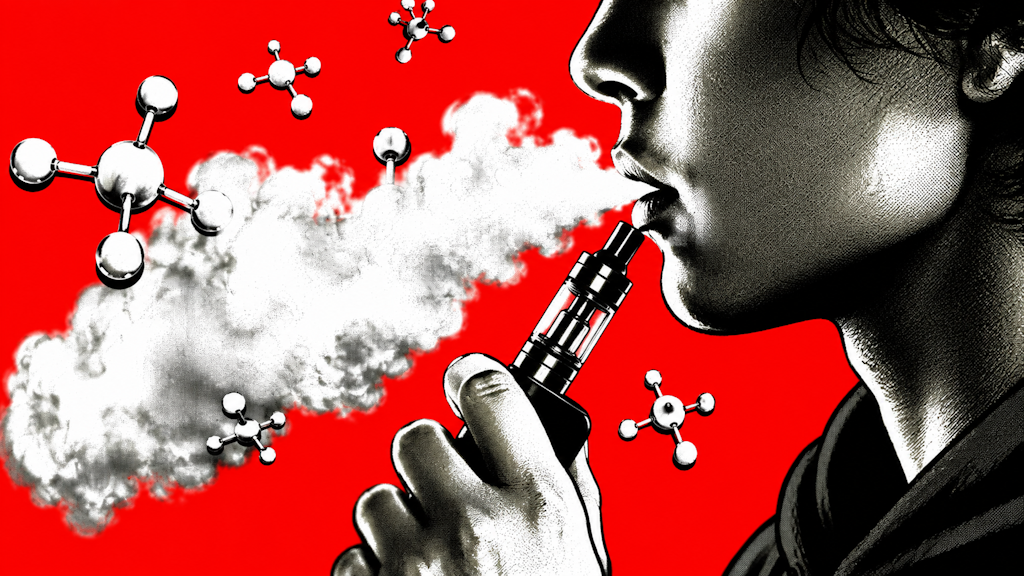
Chinese vape manufacturers in the Shenzhen region are producing a new generation of e-cigarettes containing nicotine analogs—synthetically engineered molecules designed to evade tobacco regulations. The most prevalent compound is 6-methylnicotine (6-MN), marketed under brand names including Metatine, Nixotine, and NoNic. While this regulatory circumvention appears ingenious, emerging evidence suggests substantial health risks. A 2025 toxicological study of human bronchial cells demonstrated that 6-MN vapor generates greater reactive oxygen species and causes more cellular damage than conventional nicotine. Animal research indicates 6-MN exhibits higher binding affinity for brain nicotine receptors, suggesting potentially greater addictiveness. Stanford researcher Robert Jackler characterizes this as a "chemical game of cat and mouse" between manufacturers and regulators. A significant concern involves packaging transparency; a 2024 JAMA analysis identified undeclared ingredients in 6-MN vapes, including artificial sweeteners and cooling agents with unknown inhalation risks. Notably, Western tobacco companies including Philip Morris researched such compounds in the 1970s specifically to circumvent regulations but never commercialized them. This regulatory gap represents a critical public health challenge requiring urgent policy intervention.
Share on

Evaluate the role of social media to normalise vaping in society 2×4=8..
askfilo.com
Sept. 4, 2026, 6:46 p.m.
Social media platforms have significantly accelerated the normalization of vaping among youth and young adults through multiple interconnected mechanisms. Influencers leverage lifestyle branding to portray vaping as a trendy, aspirational accessory integrated into daily content across travel vlogs, fashion, and social settings, rather than as a health-related behavior. Algorithmic systems on platforms like TikTok and Instagram create echo chambers by continuously recommending vaping-related content to engaged users, fostering ubiquity and reducing perceived risk. The visual culture surrounding vaping transforms it into performance art through "vape tricks" and showcases the aesthetically appealing, customizable device designs, shifting focus from chemical composition to visual appeal. Additionally, dedicated online communities and hashtags generate social proof effects, as peer-driven visibility within users' digital networks normalizes vaping as a common activity rather than a deviant behavior. This multifaceted normalization process lowers barriers to adoption and establishes vaping as socially acceptable, raising significant public health concerns regarding youth engagement with nicotine products.
Share on
Flavored Tobacco Policies
www.tobaccofreekids.org
Aug. 15, 2026, 7:46 a.m.
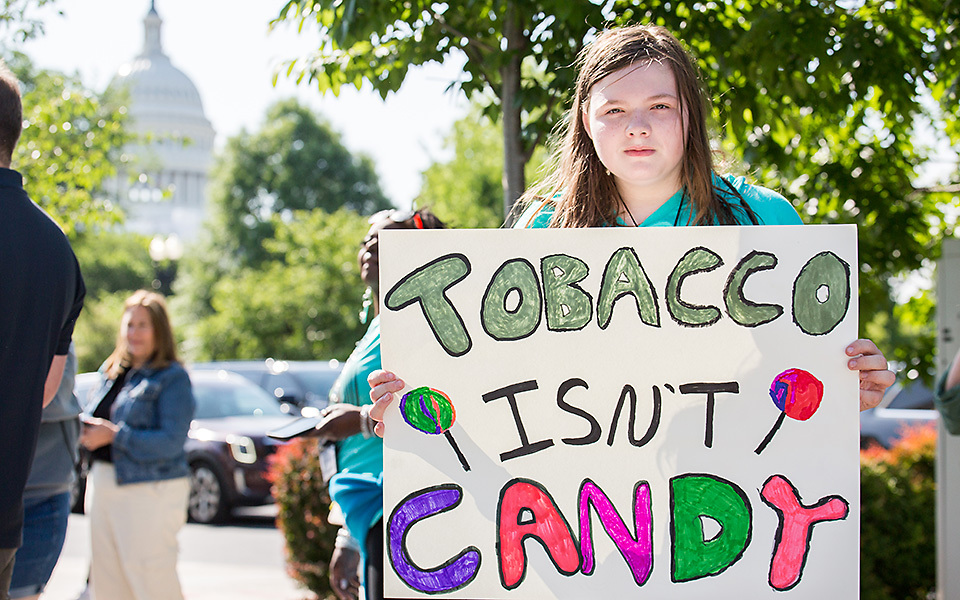
Flavored tobacco products represent a significant public health concern, particularly for youth populations. Research indicates that eight out of ten U.S. youth who have tried tobacco began with flavored products, with e-cigarettes becoming the most commonly used tobacco product among youth since 2014. Over 1.4 million youth reported current e-cigarette use in 2025, with approximately 90 percent using flavored varieties like cotton candy, bubblegum, mango, and mint. Menthol specifically poses particular risks, as it numbs the throat and reduces tobacco harshness, increasing appeal and addiction potential, while targeting has disproportionately affected Black Americans, who experience 50,000 smoking-related deaths annually. In response, Massachusetts became the first state to ban flavored tobacco sales in November 2019, followed by California in 2022. Additional states including New York, New Jersey, Rhode Island, and Utah have implemented partial restrictions on flavored e-cigarettes, while over 420 local jurisdictions have enacted flavor restrictions. These policy measures aim to reduce youth access and initiation while advancing health equity across communities historically targeted by tobacco industry marketing.
Share on
RPC opinion: options for restricting the display of vaping, nicotine products and tobacco related devices and products - GOV.UK
www.gov.uk
Aug. 15, 2026, 7:45 a.m.
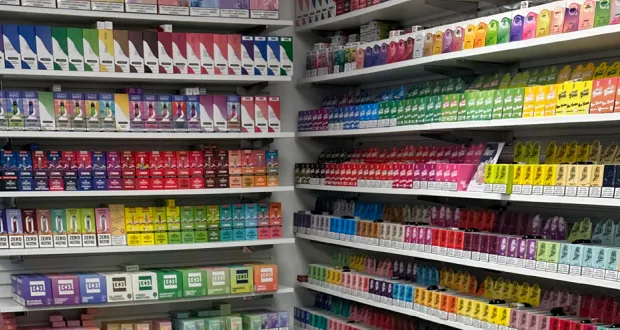
The Department of Health and Social Care has submitted an options assessment evaluating proposals to restrict the display of vaping, nicotine, and tobacco products in England. The assessment explores extending existing tobacco display restrictions to comprehensively cover all tobacco products, tobacco-related devices, herbal smoking products, cigarette papers, vaping products, and other nicotine products. The intervention aims to reduce consumption of these products and improve public health outcomes, while acknowledging vaping's potential role in smoking cessation. The options assessment progresses multiple shortlisted options for both tobacco and vapes through consultation, having evaluated various alternatives to regulation. The Regulatory Policy Committee determined the assessment is fit for purpose, with satisfactory small and micro business impact analysis and a clear preferred approach. The scorecard adequately summarizes expected business impacts. The evaluation plan incorporates robust monitoring mechanisms, specific review timelines, evaluation questions, and identified data sources, whilst considering potential unintended consequences. The assessment could be strengthened by monetizing anticipated health benefits, and all shortlisted options will now proceed to public consultation to inform final policy decisions.
Share on
Vape Export Market Entry: How to Assess Regulatory Risk Before Launch
www.globaltrademap.com
Aug. 15, 2026, 7:45 a.m.
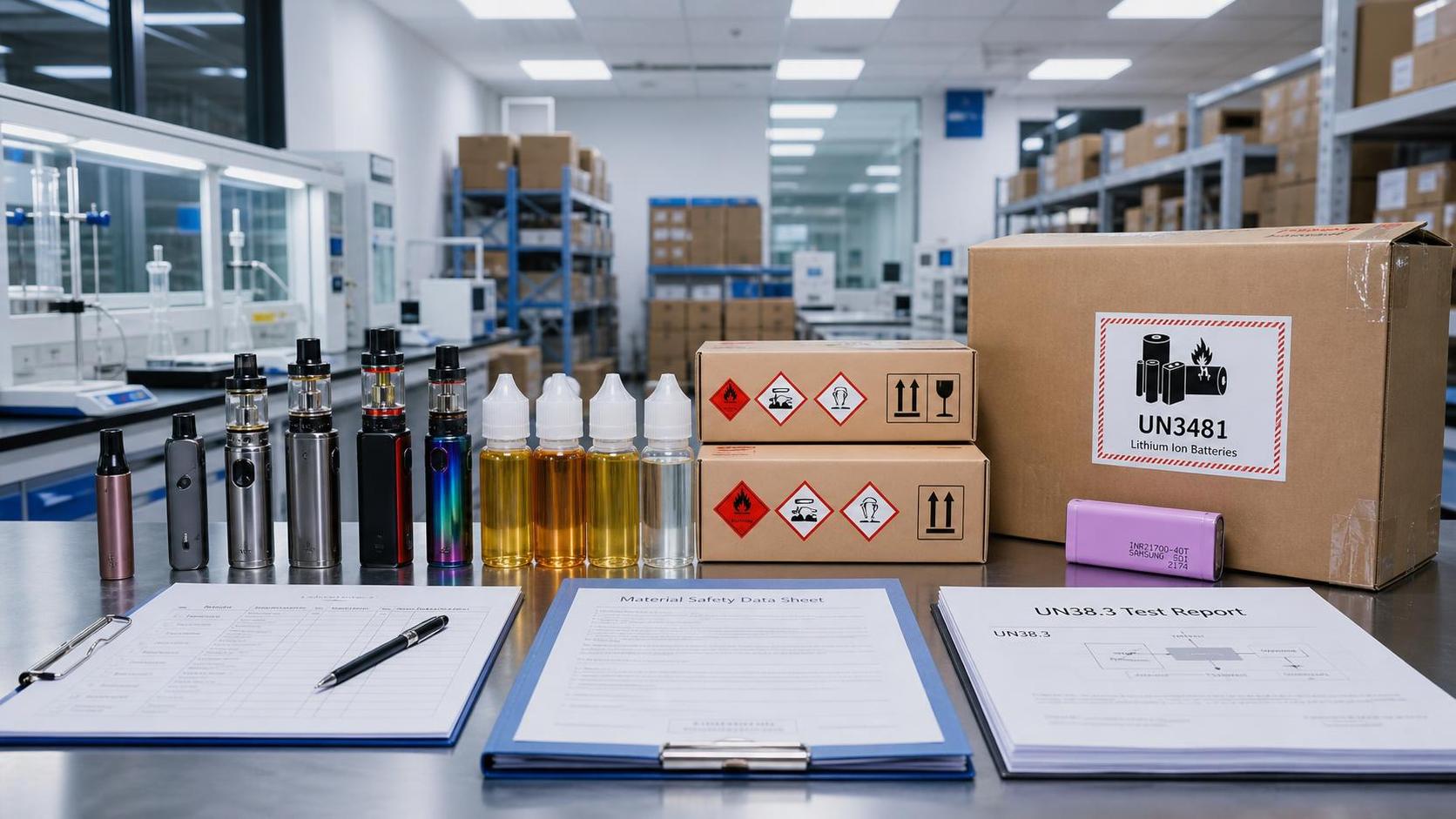
Vape product export success now depends critically on regulatory compliance rather than market size alone. Companies entering international markets face increasingly complex and divergent regulatory frameworks that extend beyond traditional nicotine oversight to encompass product classification, emissions testing, ingredient review, youth-access controls, battery safety, and environmental handling requirements. A device designed for one market may fail authorization, distribution, or insurance requirements in another without substantial redesign. Disposable devices face heightened scrutiny in jurisdictions with stringent waste policies, while refillable pod systems often trigger complicated filing and toxicological assessments. The same vapor product may be regulated simultaneously as a tobacco product, consumer electronic device, chemical mixture, and waste-management concern, creating layered compliance burdens. Market evaluation should prioritize classification logic and authorization pathways before assessing distributor appetite or competitive positioning. The United States requires premarket authorization for nicotine products, while the European Union's TPD framework imposes structured notification and labeling demands. Emerging markets present additional complexity with newer, less harmonized, and unevenly enforced regulations. Strategic market entry now requires early-stage regulatory pathway assessment to avoid costly late-stage redesigns and commercialization delays.
Share on