Chronotherapeutic Pulsatile Drug Delivery Systems in the Management of Type 2 Diabetes Mellitus: Advances and Future Perspectives
www.ijpsjournal.com
Sept. 12, 2026, 7:48 a.m.
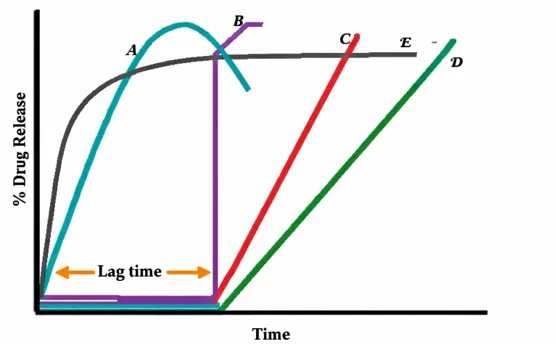
Type 2 diabetes mellitus represents a significant global health challenge driven by modern lifestyle factors and an aging population, as current constant-dose treatments fail to address the body's natural circadian rhythms and glucose metabolism variations. The human body operates on a 24-hour cycle regulated by the suprachiasmatic nucleus, which controls hormone release, metabolism, sleep-wake patterns, and insulin sensitivity. Diabetic patients experience common circadian glucose fluctuations, exemplified by the dawn phenomenon, wherein blood sugar levels rise in early morning due to hormonal shifts and insulin cycles. Chronotherapy has emerged as a promising pharmaceutical research approach, involving drug administration timed to disease rhythms for optimal therapeutic effect and minimized side effects. This strategy shows particular efficacy for conditions with circadian patterns, including asthma, hypertension, arthritis, and diabetes. Pulsatile drug delivery systems represent a key advancement within this field, designed to release medication after predetermined lag times, enabling treatments that align with the body's natural biological rhythms. This chronotherapeutic approach addresses a critical gap in diabetes management by delivering insulin and oral hypoglycemic drugs when physiologically needed most, potentially improving glycemic control and reducing long-term complications affecting the heart, kidneys, and nerves.
Share on
The effects of beta-cell mass and function, intercellular coupling, and islet synchrony on Ca2+ dynamics
arxiv.org
Sept. 4, 2026, 6:50 p.m.
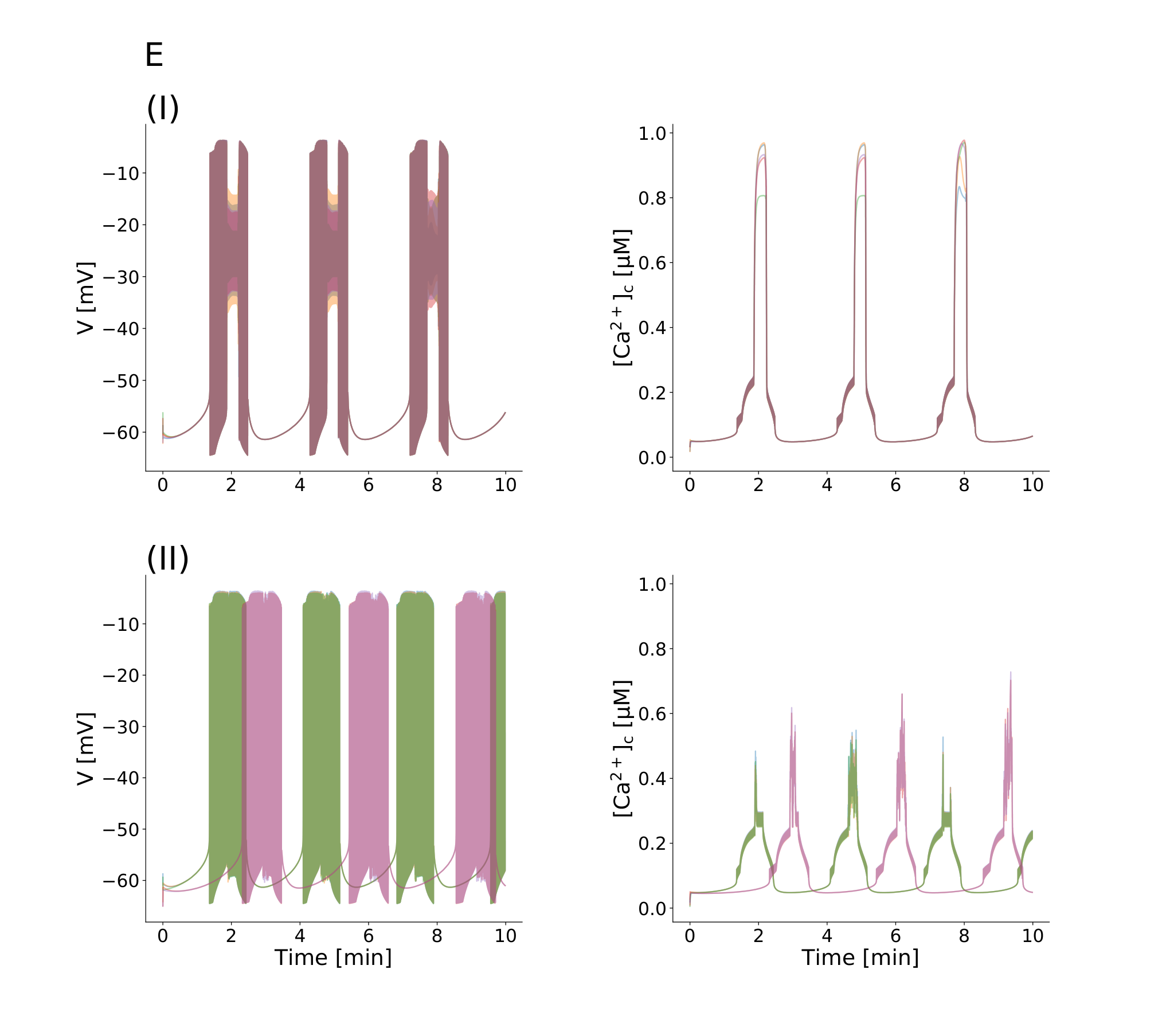
Type 2 diabetes involves significant loss of pancreatic β-cell mass and functional impairment in the islets of Langerhans, disrupting insulin secretion and glucose control. Researchers developed a comprehensive electrophysiological model of human β-cell clusters to investigate how reduced β-cell mass contributes to functional decline in this disease. The study reveals that β-cell mass deficiency causes individual cell dysfunction, impaired intra-islet synchronization, and altered oscillatory patterns of membrane potential and calcium concentration, ultimately affecting insulin secretion dynamics. Importantly, the research demonstrates that gap junction-mediated electrical coupling between cells plays a more critical role than metabolic coupling in regulating islet function and T2D pathogenesis. Additionally, the model predicts that modifying delayed rectifier potassium channel conductance affects oscillatory activity in isolated β-cells, significantly influencing calcium dynamics and insulin secretion. These findings enhance understanding of the electrophysiological mechanisms underlying β-cell dysfunction in type 2 diabetes, potentially informing therapeutic strategies targeting intercellular coupling and ion channel function to restore proper glucose regulation.
Share on
What are closed loop systems?
www.diabetes.org.uk
Aug. 1, 2026, 7:39 a.m.
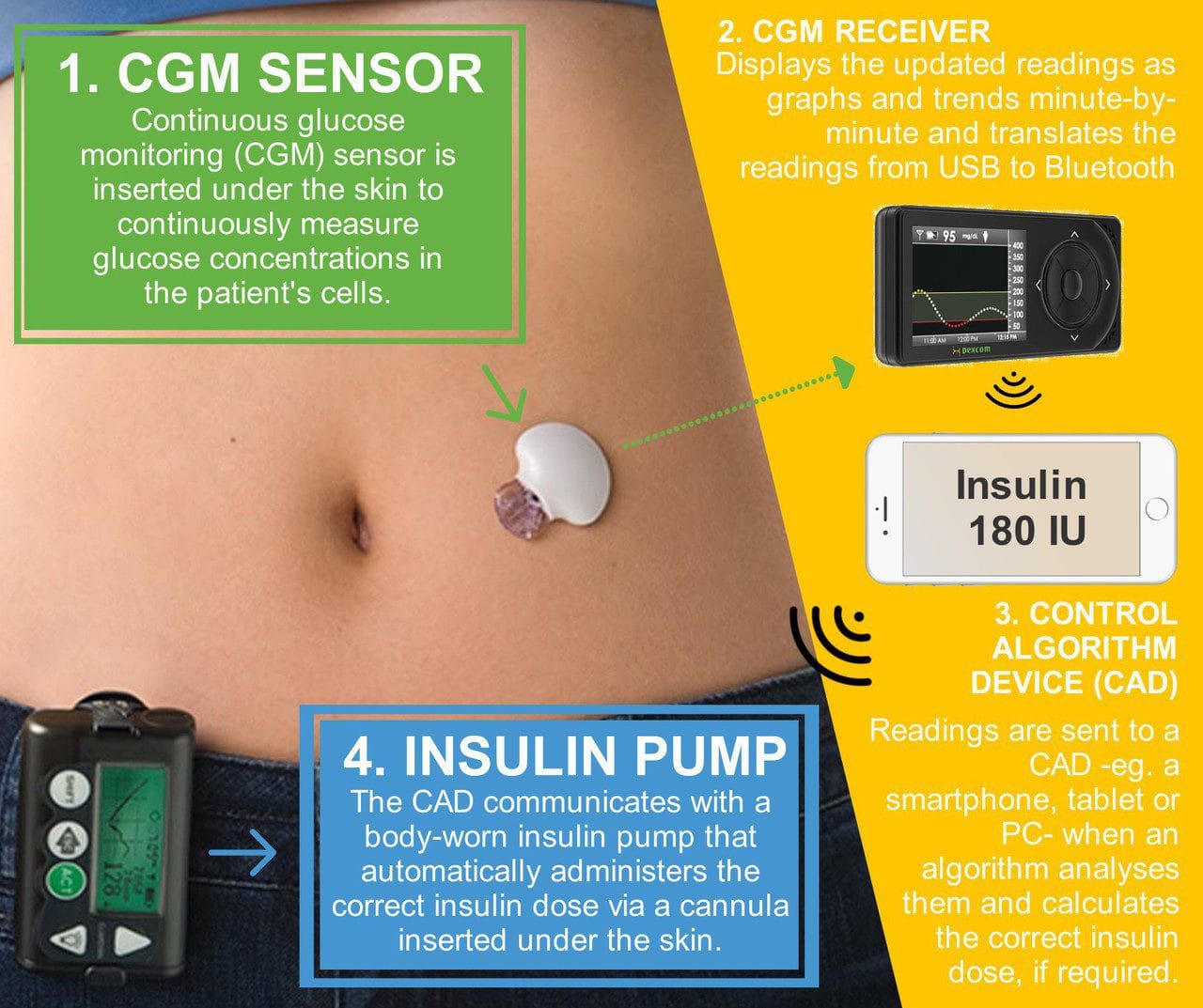
Closed loop systems represent an advancement in diabetes management, combining an insulin pump with a continuous glucose monitor that communicate through software on a phone, pump, or separate device. These hybrid closed loop systems automate insulin delivery to replicate pancreatic function, though they require user input such as carbohydrate counting, exercise logging, and meal-time insulin calculations. Available on the NHS with varying rollout stages across the UK and purchasable privately, hybrid closed loop systems offer significant benefits for type 1 diabetes patients. Research demonstrates improved quality of life, greater blood sugar stability, elimination of insulin injections, and reduced finger prick testing. The system automatically adjusts background basal insulin based on continuous glucose monitoring data while requiring users to input bolus insulin information for meals. Also known as automated insulin delivery or AID, these systems represent a practical solution that bridges automated technology with necessary manual management components, making diabetes care more manageable for patients and caregivers alike.
Share on
EZH2 inhibitors promote β-like cell regeneration in young and adult type 1 diabetes donors - Signal Transduction and Targeted Therapy
www.nature.com
Aug. 1, 2026, 7:39 a.m.
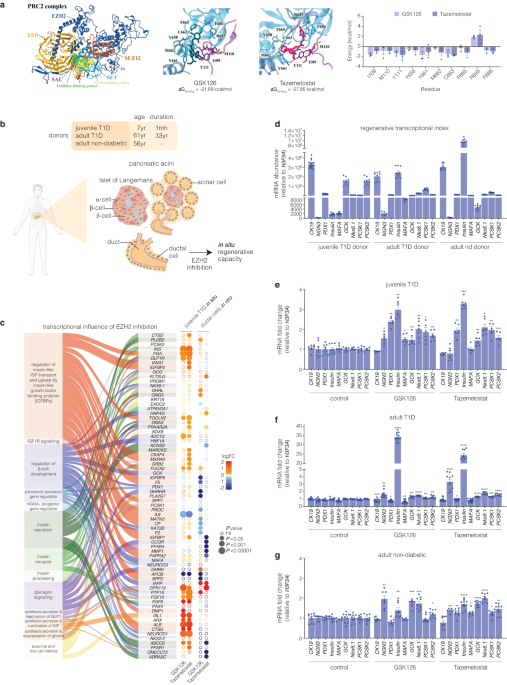
Type 1 diabetes results from immune system destruction of insulin-producing β-cells in the pancreas, leading to lifelong insulin dependence. Pancreatic ductal progenitor cells offer promising regenerative potential, yet their capacity remains suppressed by the EZH2 methyltransferase. Researchers investigated whether targeting EZH2 could unlock β-cell regeneration using FDA-approved inhibitors GSK126 and Tazemetostat in exocrine cells from both juvenile and adult type 1 diabetes donors. The inhibitors successfully induced a phenotypic shift toward β-like cell identity by altering chromatin states through modifications of H3K27me3 and H3K4me3 histone marks. Reprogrammed ductal cells demonstrated functional capability, producing and secreting insulin in response to glucose stimulation ex vivo. These findings suggest that small molecule EZH2 inhibitors represent a novel therapeutic approach to restore β-cell function and address the critical shortage of donor organs for transplantation, potentially transforming treatment options for the 400 million people worldwide affected by diabetes.
Share on

What Is CRISPR Insulin? How It Treats Diabetes
int.livhospital.com
Aug. 1, 2026, 7:39 a.m.
CRISPR insulin represents a transformative advancement in diabetes treatment, moving beyond symptomatic management toward addressing the disease's root cause. Recent clinical trials at institutions like Liv Hospital demonstrate that genetically edited cells can function effectively for extended periods, producing appropriate insulin to regulate blood sugar naturally. The breakthrough employs the CRISPR-Cas12b system to edit insulin-producing beta cells, removing HLA markers that trigger immune rejection and rendering the cells invisible to the immune system. This precision medicine approach enables regenerative strategies that restore the pancreas's natural glucose regulation capacity rather than requiring daily insulin injections. By correcting the biological blueprint through molecular biology, CRISPR insulin technology promises to transform type 1 diabetes from a lifelong symptomatic condition requiring constant monitoring into a potentially curable disease. This shift from external insulin dependency toward the body's inherent ability to control blood sugar naturally represents a major medical paradigm shift, offering patients liberation from daily treatment routines while providing lasting, biologically integrated solutions.
Share on

Cell Therapy Restores Insulin Production in 83% of Diabetics
www.insideprecisionmedicine.com
Aug. 1, 2026, 7:38 a.m.
Vertex Pharmaceuticals has announced promising results from a Phase I/II clinical trial of zimislecel, an experimental stem cell-derived islet cell therapy for type 1 diabetes. Published in the New England Journal of Medicine, the FORWARD-101 trial evaluated zimislecel in twelve patients with impaired hypoglycemic awareness and severe hypoglycemia. Results demonstrated that all participants achieved successful engraftment and insulin production, with 83% discontinuing insulin injections after one year. All patients remained free from severe hypoglycemic events and maintained glycated hemoglobin levels below seven percent while spending over 70% of time in target glucose ranges. The therapy comprises fully differentiated islets derived from donor stem cells and requires concurrent immunosuppressive therapy to prevent rejection. No serious adverse events were attributed to the treatment, with two unrelated deaths from meningitis and dementia reported. This development addresses a significant unmet need in type 1 diabetes management, where the immune system destroys insulin-producing pancreatic cells, forcing patients onto daily insulin injections with associated long-term complications. Zimislecel represents a potential transformative approach to restore endogenous insulin secretion and improve quality of life for type 1 diabetes patients.
Share on
Subject-Conditioned Glucose Forecasting in Type-1 Diabetes
arxiv.org
July 25, 2026, 7:38 a.m.
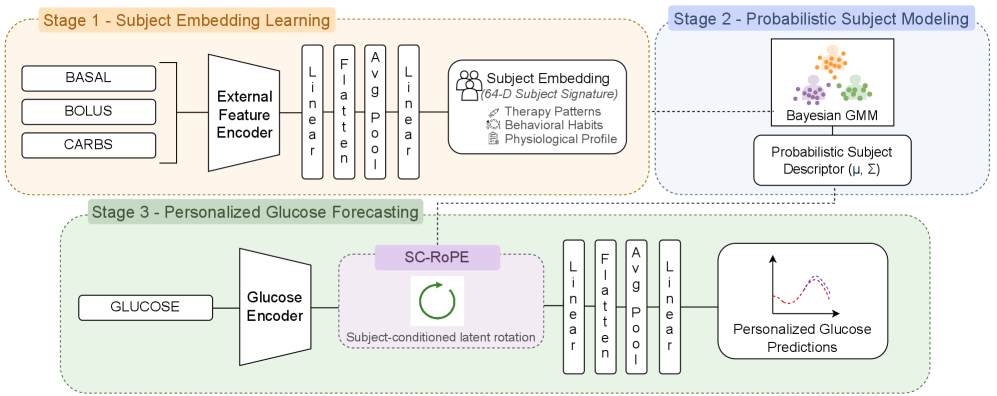
Accurate blood glucose forecasting is essential for effective Type 1 Diabetes management, enabling early detection of dangerous glycemic events and timely therapeutic responses. However, existing prediction approaches often rely on population-level models that fail to account for individual patient characteristics. This work introduces Subject-Conditioned Glucose Prediction (SCGP), a novel multimodal deep learning architecture designed for personalized blood glucose forecasting. SCGP distinctively separates subject characterization from glucose dynamics modeling, learning compact subject-specific representations from contextual information while maintaining robust temporal prediction. By avoiding early fusion of heterogeneous inputs, the framework effectively captures inter-subject variability while preserving prediction reliability. Testing on two state-of-the-art benchmark datasets demonstrates that SCGP consistently outperforms existing methods across multiple prediction horizons and reliably detects adverse glycemic events. Given that Type 1 Diabetes affects an increasing patient population requiring continuous glucose monitoring through Continuous Glucose Monitoring devices and artificial pancreas systems, this explicit subject conditioning approach offers significant improvements for personalized diabetes management by accounting for complex individual factors including physiology, insulin sensitivity, lifestyle, diet, and physical activity.
Share on
Mapping histologic and functional maturation of human endocrine pancreas across early postnatal periods - Nature Communications
www.nature.com
July 25, 2026, 7:38 a.m.
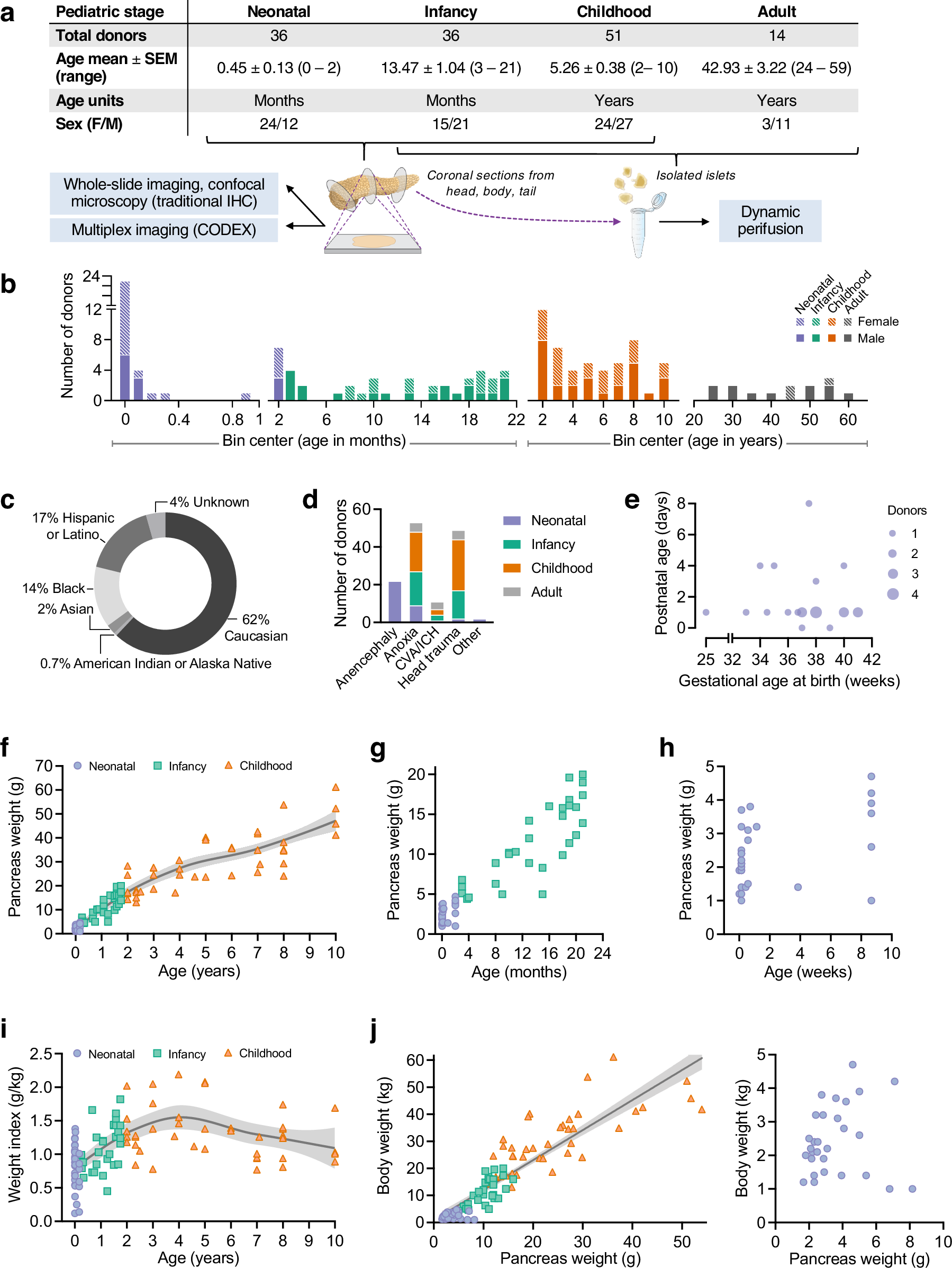
Researchers conducted a comprehensive study of human pancreatic islet development by analyzing 123 pediatric pancreata to map morphological and functional changes from birth through age ten. Using confocal microscopy and whole-slide multiplex imaging, they created an integrated model documenting endocrine cell formation, islet architecture, cellular heterogeneity, proliferation patterns, and vascularization. The team also assessed insulin and glucagon secretory profiles in isolated pediatric islet preparations aged 2 months to 10 years, revealing temporal differences in maturation rates between insulin and glucagon secretion. Findings demonstrate that beta-cell mass varies significantly among individuals—up to 40-fold prenatally and three to fivefold in adults—with important implications for diabetes risk. This research addresses critical gaps in understanding how islet composition and function develop during the critical early years when type 1 diabetes autoimmunity often emerges. By establishing a framework for pediatric islet development, this work provides essential context for integrating genetic and genomic data to better understand diabetes pathogenesis and individual susceptibility variations.
Share on
What Is CRISPR Type 1 Diabetes? Causes, Cure & Recovery
int.livhospital.com
July 25, 2026, 7:37 a.m.
CRISPR technology represents a transformative approach to treating type 1 diabetes, an autoimmune disease affecting approximately 8.42 million people globally, with projections reaching 17.4 million by 2040. Unlike traditional exogenous insulin therapy that merely replaces hormones, CRISPR-based treatments aim to restore the pancreas's natural insulin-producing capacity. Type 1 diabetes occurs when the immune system attacks insulin-producing beta cells in the pancreas, causing blood sugar instability and requiring daily monitoring and insulin injections. Scientists are leveraging the CRISPR/Cas9 gene-editing system—essentially precise genetic scissors—to repair pancreatic cells and restore their natural function. The technology works by making exact genetic modifications to cells, potentially enabling them to produce insulin autonomously. A critical challenge remains protecting regenerated beta cells from renewed immune system attacks. This restorative cellular therapy approach targets the disease's root cause rather than merely managing symptoms, offering potential for a lasting cure that could fundamentally improve patients' quality of life and reduce daily treatment burdens.
Share on
Diabetes mellitus treatment with stem cells in Mexico
us-uk.bookimed.com
July 18, 2026, 7:31 a.m.
Giostar Stem Cell Therapy operates a prominent regenerative medicine clinic in Playa del Carmen, Mexico, specializing in stem cell treatment for diabetes mellitus and various other conditions. Serving approximately five thousand patients annually from over thirty countries, the facility treats musculoskeletal injuries, autoimmune disorders, neurological conditions, and age-related ailments. The clinic employs proprietary, evidence-based therapeutic protocols developed by its in-house research team. With state-of-the-art facilities across multiple Mexican locations and a focus on both aesthetic and longevity medicine, Giostar attracts international patients from Europe, North America, and Australia.
Share on
Beyond glucose: wearable and implantable biosensors for ...
www.frontiersin.org
July 18, 2026, 7:30 a.m.
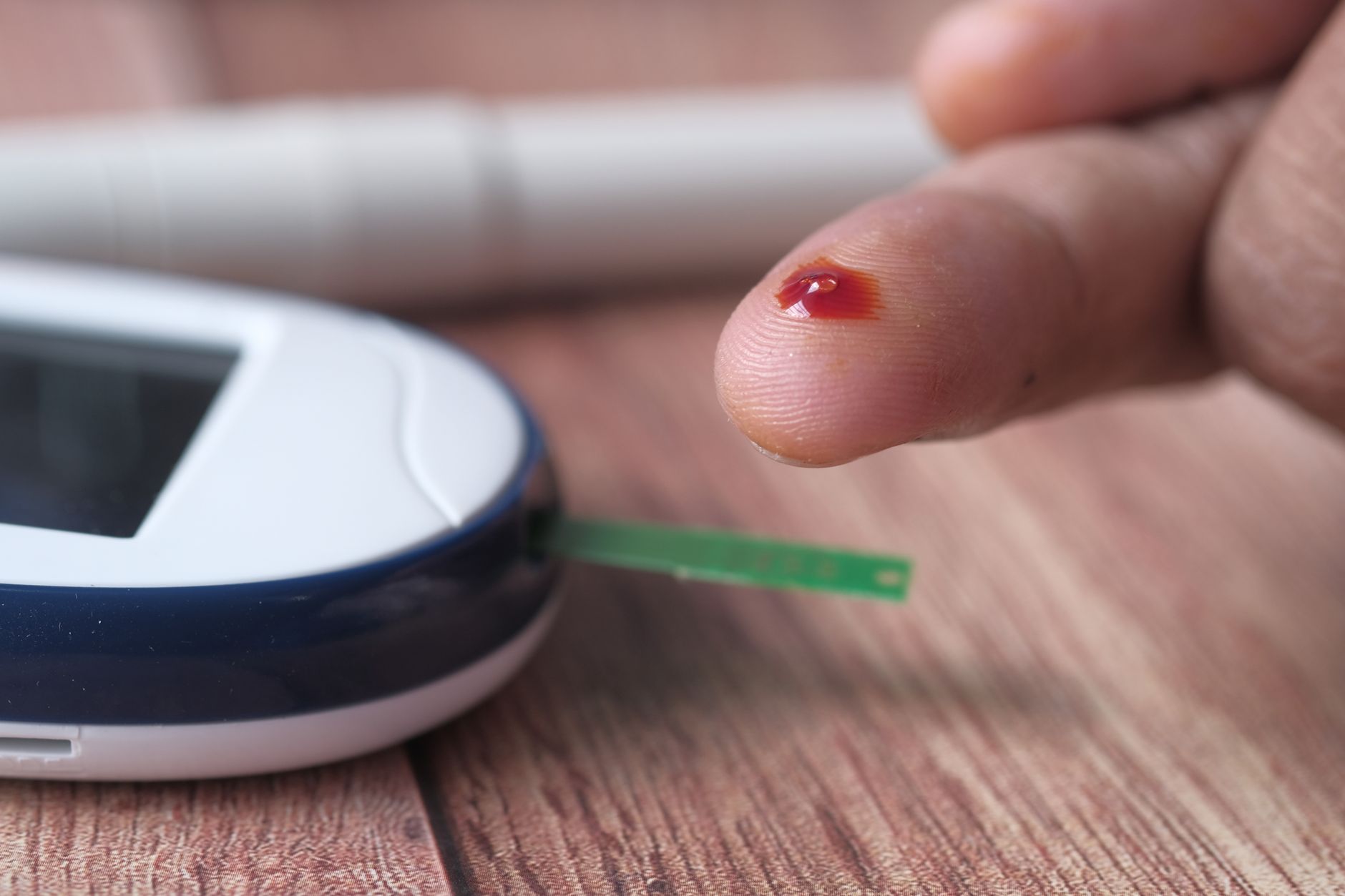
This article explores advanced wearable and implantable biosensor technologies that extend beyond traditional glucose monitoring to enable continuous tracking of metabolic, hormonal, and inflammatory biomarkers. The research addresses the critical need for comprehensive cardiometabolic health management through multimodal sensing capabilities. By integrating innovative approaches such as microneedles and implantable devices, these biosensors facilitate real-time, personalized health monitoring. The work represents a significant advancement in preventive medicine and precision healthcare, offering clinicians and patients enhanced diagnostic insights for improved cardiometabolic outcomes. This development transforms chronic disease management through continuous, non-invasive biometric assessment.
Share on

Type 1 Diabetes
trialscreen.org
July 18, 2026, 7:30 a.m.
A major advance has been automated insulin delivery systems. Hypoglycemia is frightening and dangerous, potentially causing confusion, loss of consciousness, ...
Share on

Generation of hypoimmunogenic gastric insulin-secreting ...
www.biorxiv.org
July 18, 2026, 7:30 a.m.
This research article presents the development of hypoimmunogenic gastric insulin-secreting cells, a significant advancement in biomedical engineering and diabetes treatment. The study focuses on generating modified cellular constructs capable of producing insulin while minimizing immune rejection—a critical challenge in transplantation therapies. By utilizing the gastric environment as a platform for insulin production, researchers aim to create a more physiologically compatible solution for Type 1 diabetes management. This innovative approach combines tissue engineering with immunological considerations to enhance therapeutic efficacy and patient outcomes. The work represents progress toward developing sustainable, cell-based treatments that could reduce dependency on external insulin administration.
Share on
Editorial: Mechanisms of endocrine cell proliferation in the ...
www.frontiersin.org
July 5, 2026, 1:39 p.m.
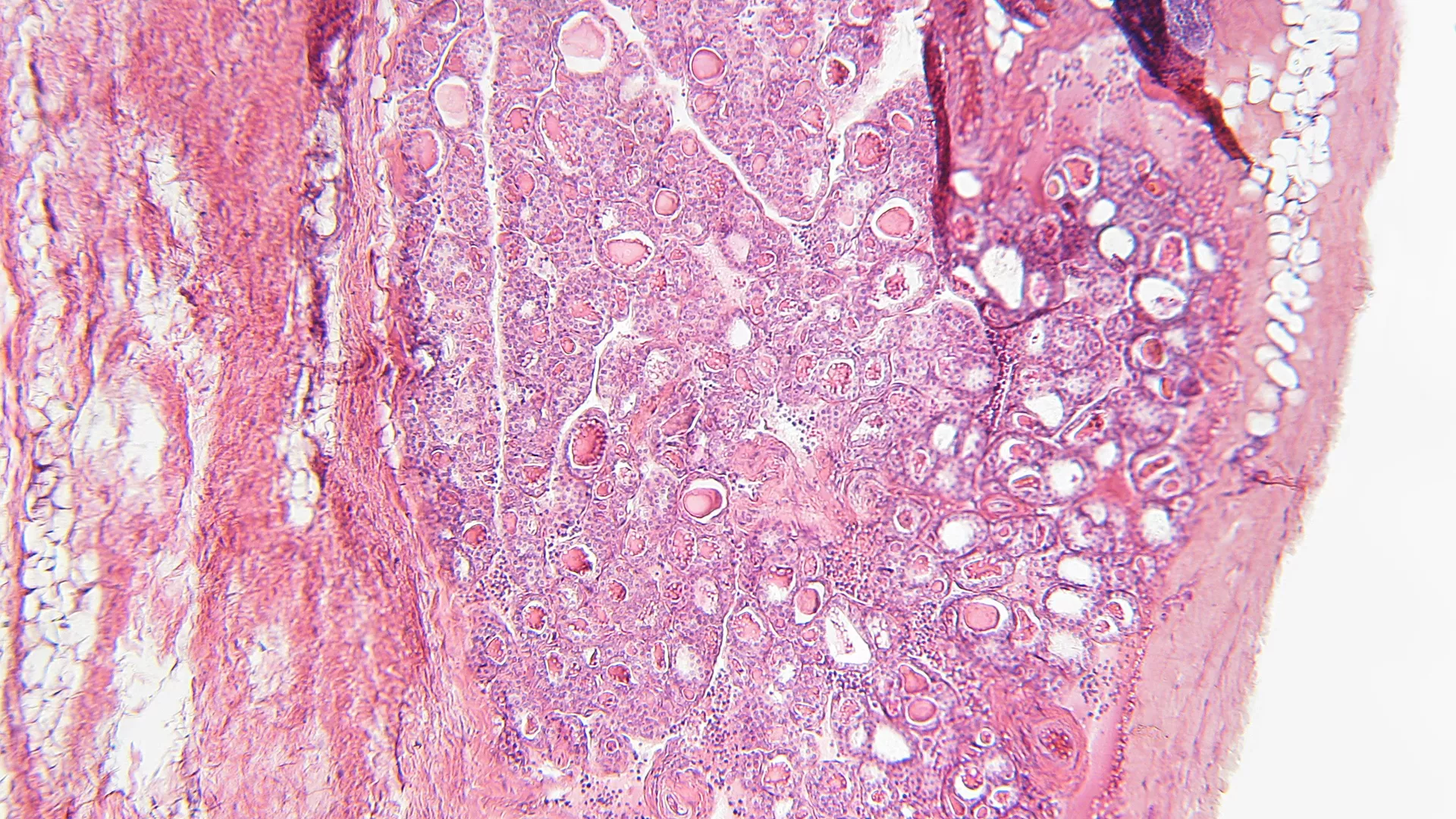
This editorial examines the critical mechanisms governing endocrine cell proliferation across the human lifespan, with particular emphasis on pancreatic β-cells essential for glucose homeostasis. Since β-cell loss defines both type 1 and type 2 diabetes, understanding proliferation dynamics represents a fundamental objective for regenerative medicine. While endocrine cells proliferate extensively during embryonic and neonatal stages, adult cells remain largely quiescent under normal conditions yet retain capacity for reactivation following metabolic stress or injury. The assembled research contributions explore developmental programming, epigenetic regulation, nutrient sensing, and microenvironmental influences on endocrine cell growth, collectively advancing knowledge of regenerative mechanisms critical for developing innovative diabetes therapeutics.
Share on

Artificial Pancreas and Low Blood Sugar: Managing Hypoglycemia ...
mattioli1885journals.com
July 5, 2026, 1:39 p.m.
Hybrid closed-loop setups help by keeping glucose in narrower ranges, which can gradually restore some awareness over months of stable control. On the flip side ...
Share on

Cell-Based Therapies for Type 1 Diabetes
www.cureus.com
July 5, 2026, 1:39 p.m.
Cell-based therapies represent a promising therapeutic approach for Type 1 diabetes, offering potential alternatives to conventional insulin management. These innovative treatments leverage stem cells and engineered cellular platforms to restore insulin-producing capacity and regulate immune responses underlying the disease pathology. By replacing or regenerating damaged pancreatic beta cells, cell-based therapies aim to achieve long-term glycemic control and reduce patient dependence on exogenous insulin administration. Current research explores various cell sources, differentiation techniques, and immunological strategies to overcome rejection and ensure therapeutic durability. As clinical trials advance, these approaches demonstrate significant potential to transform Type 1 diabetes treatment paradigms and improve patient outcomes substantially.
Share on

New stretchable bioelectronics advance wearable and implantable ...
www.news-medical.net
June 28, 2026, 3:31 p.m.
"The device can simultaneously monitor physical and chemical signals, and deliver electrical stimulation, which could help enable more seamless and long-lasting ...
Share on

Reinforcement Learning–Based Insulin Dosing and Glucose ...
diabetes.jmir.org
June 28, 2026, 3:30 p.m.
Researchers developed a deep Q-network reinforcement learning system to optimize insulin dosing for type 1 diabetes patients by enabling personalized, real-time adjustments. Using the OhioT1DM dataset containing continuous glucose monitoring, insulin records, and activity data from twelve patients, the model leverages a two-hour observation window to account for rapid-acting insulin pharmacodynamics and glycemic response delays. By integrating recent blood glucose levels, insulin doses, and lifestyle factors, this adaptive approach addresses limitations of traditional static insulin regimens by responding dynamically to individual variability in diet, exercise, and metabolism, ultimately improving glycemic control and reducing hypoglycemia and hyperglycemia risks.
Share on

Closed-Loop Updates from ADA 2026
www.diabetotech.com
June 28, 2026, 3:30 p.m.
The American Diabetes Association's 2026 Scientific Sessions in Chicago showcased significant advancements in automated insulin delivery systems. Major manufacturers including MiniMed, Insulet, and Tandem presented new clinical data, product launches, and strategic roadmaps, reinforcing AID systems as the preferred treatment for intensive insulin therapy. Notable innovations include systems requiring optional rather than mandatory meal announcements and multiple companies developing patch pump technologies. MiniMed's comprehensive roadmap particularly emphasizes a unified ecosystem approach, planning to integrate smart MDI, tubed pumps, patch pumps, and smartphone control under a single algorithm by 2028. The industry trajectory clearly demonstrates continued innovation focused on reducing user burden, with emerging technologies and open-source developments further accelerating progress in diabetes technology.
Share on

Home Blood Sugar Tests: A Practical Guide For Metabolic ...
mattioli1885journals.com
June 22, 2026, 10:48 a.m.
Home blood sugar tests measure glucose concentration in capillary blood or interstitial fluid. Traditional meters require a small drop of blood on a test strip.
Share on