
Digital Product Passport (DPP): regulation, requirements and timelines
www.manglai.io
Sept. 19, 2026, 7:32 a.m.
The Digital Product Passport (DPP) represents the European Union's foundational infrastructure for driving transparency and circularity in consumer markets. Rather than a distant concept, the DPP is becoming regulatory reality through the European Sustainability and Responsibility (ESPR) framework emerging from the Green Deal. Each DPP functions as a dynamic digital inventory linked to physical products via QR codes, RFID, or NFC technology, providing comprehensive lifecycle data on composition, origin, durability, repairability, and environmental footprint. Implementation follows a phased, sector-by-sector approach beginning with battery products in February 2027, with additional categories rolling out from 2028 onwards. The regulation aims to facilitate repair, reuse, and recycling while enhancing market transparency and traceability. As of August 2026, no delegated acts have been adopted, making the coming year critical for preparation. Compliance dates follow a minimum 18-month lag after adoption, with the Commission prioritizing products with the highest environmental impact and consumption volumes. Though EU-originated, the regulation will apply globally to all companies selling on European markets, reshaping product information architecture internationally.
Share on

Integrating circular economy, cradle-to-cradle, and closed loop systems in fashion supply chains: a systematic review from an industrial ecology perspective - Journal of Industrial Ecology
link.springer.com
Sept. 19, 2026, 7:32 a.m.
# Summary
This systematic review examines the integration of circular economy, cradle-to-cradle, and closed-loop systems within fashion supply chains through an industrial ecology lens. Published in the Journal of Industrial Ecology in September 2026, the study analyzes how these interconnected frameworks can transform the notoriously linear fashion industry into a more sustainable model. The research synthesizes existing literature to identify how cradle-to-cradle design principles—which prioritize material recovery and continuous cycling—can be operationalized alongside circular economy strategies and closed-loop manufacturing processes. The review addresses a critical gap in sustainability practice, as the fashion industry remains one of the world's largest polluters. By examining implementation pathways across supply chain stages, the research demonstrates why integrating these approaches matters for reducing textile waste, minimizing resource extraction, and creating economically viable sustainable fashion systems. The findings provide evidence-based guidance for industry stakeholders seeking to transition from linear consumption models to regenerative practices that benefit both environmental and business outcomes.
Share on

PET Biorecycling Technology - Carbios
www.carbios.com
Sept. 19, 2026, 7:32 a.m.
Carbios has developed an innovative enzymatic recycling technology that addresses critical limitations in traditional PET plastic recycling. With over 90 million tons of PET produced annually for bottles, packaging, and textiles, most remains unrecycled because conventional methods cannot process mixed, colored, or contaminated waste and degrade material quality after only one or two cycles. Carbios's patented enzyme-based process depolymerizes even complex PET waste into its original monomers—terephthalic acid and monoethylene glycol—with purity exceeding 99.5% in under 24 hours. The process involves shredding and melting waste into expanded granules, enzymatic depolymerization using water and enzymes only, filtration, and monomer separation. The resulting recycled PET (r-PET) is virgin-like, food-contact safe, and suitable for textiles while reducing CO₂ emissions by 92% compared to virgin PET and achieving five times greater circularity than traditional recycling. This breakthrough addresses regulatory pressures including the EU's Packaging and Packaging Waste Regulation and Extended Producer Responsibility quotas, enabling brands like L'Occitane en Provence and Biotherm to meet sustainability goals with compatible, compliant solutions.
Share on
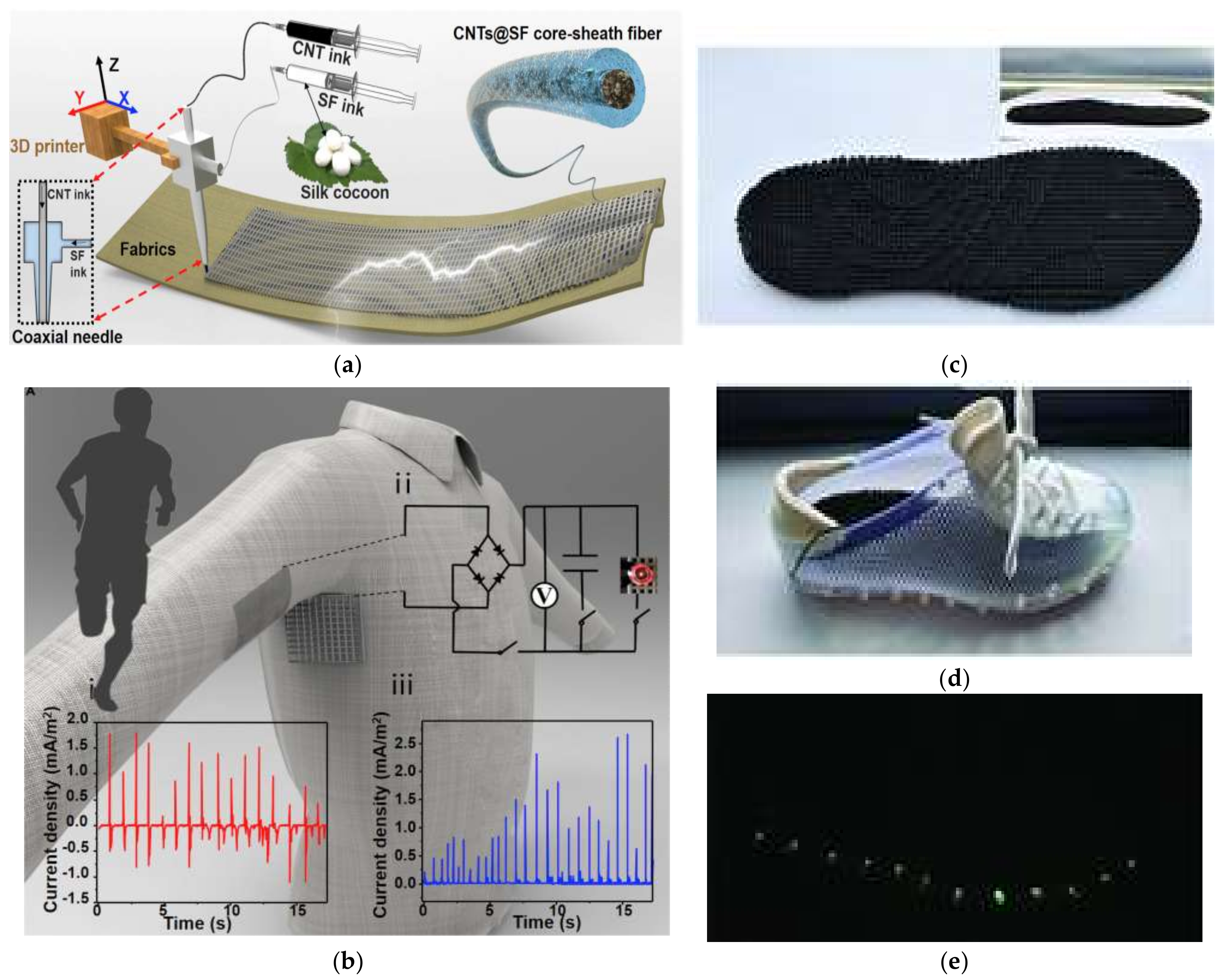
Review on Development and Application of 3D-Printing Technology in Textile and Fashion Design
www.mdpi.com
Sept. 12, 2026, 11:28 a.m.
Three-dimensional printing (3DP) allows for the creation of highly complex products and offers customization for individual users. It has generated significant interest and shows great promise for textile and fashion design. Here, we provide a timely and comprehensive review of 3DP technology for the textile and fashion industries according to recent advances in research. We describe the four 3DP methods for preparing textiles; then, we summarize three routes to use 3DP technology in textile manufacturing, including printing fibers, printing flexible structures and printing on textiles. In addition, the applications of 3DP technology in fashion design, functional garments and electronic textiles are introduced. Finally, the challenges and prospects of 3DP technology are discussed.
Share on
Why AI and Automation Are Solving Textile Recycling’s Biggest Challenge
www.kingsresearch.com
Sept. 12, 2026, 7:40 a.m.
The global fashion industry generates 92 million tonnes of textile waste annually, with only 8% of textile fibers recycled despite clothing production doubling between 2000 and 2015. Traditional manual sorting methods prove inadequate for handling the growing volume and complexity of textile waste at scale. Artificial intelligence, robotics, digital identification, and automated sorting technologies are transforming textile recycling operations, enabling faster and more accurate material processing. According to King Research, the global textile recycling market was valued at USD 5.55 billion in 2025 and is projected to reach USD 9.40 billion by 2033, growing at a compound annual growth rate of 6.89%. This expansion is driven by environmental concerns, regulatory initiatives including the European Union's Extended Producer Responsibility requirements and Digital Product Passports, and increased investment from governments and apparel brands in digital recycling infrastructure. Modern textile waste presents significant challenges due to blended fibers, chemical treatments, and complex material compositions in fast fashion garments, making traditional sorting methods insufficient and necessitating AI-powered automation to improve recycling efficiency and material quality.
Share on
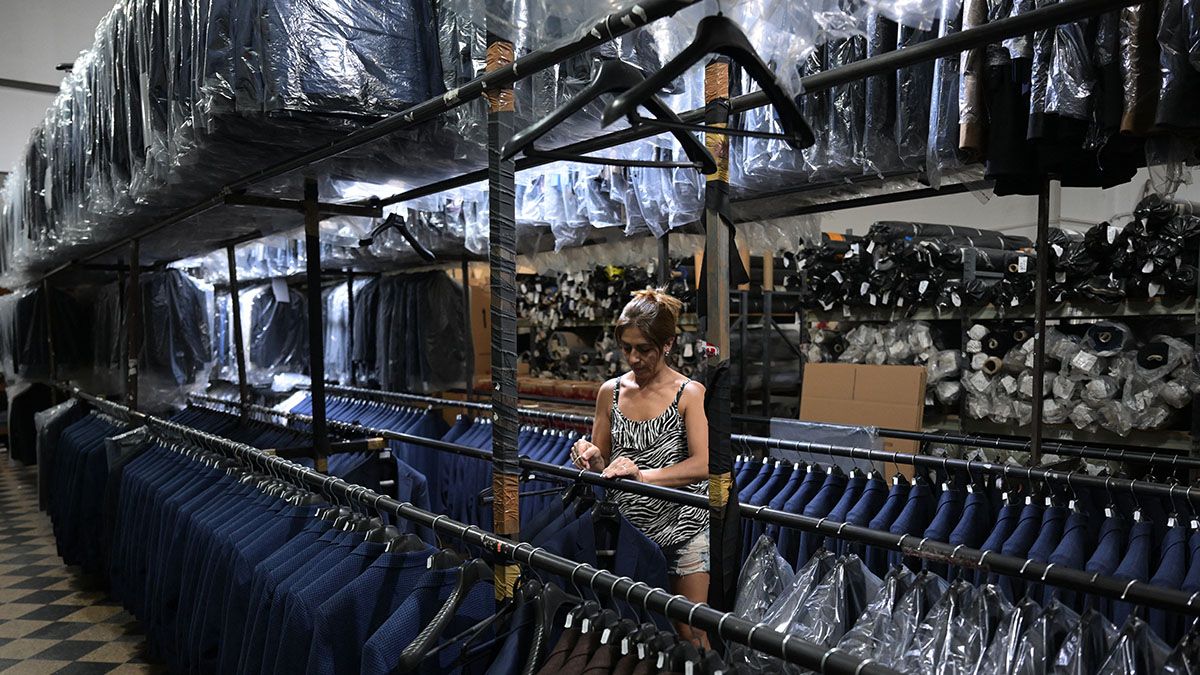
Will the EU’s Ban on Destroying Unsold Stock Actually Work?
www.vogue.com
Sept. 12, 2026, 7:40 a.m.
The European Union's recently implemented ban on destroying unsold clothing, textiles, and footwear marks a significant step toward sustainability, prohibiting major fashion brands from incinerating or landfilling usable products. This enforcement of the Ecodesign for Sustainable Products Regulation, adopted in 2024, requires brands to establish new supply chain processes and reporting mechanisms, with mandatory public disclosure of destroyed textile volumes by March 2027. Leading companies are already adapting through various strategies: LVMH's CEDRE venture partners with textile recycling startup Weturn, Zalando leverages outlet stores and charitable donations, and H&M has dramatically reduced inventory levels to its lowest ratio in a decade. Despite widespread preparation among major brands, implementation challenges persist regarding compliance requirements and exemptions. Experts question whether the ban will fundamentally achieve its core objectives of stimulating Europe's circular economy and reducing fashion overproduction at the source. The scale of the problem remains difficult to quantify, as most brands historically lack transparency around production volumes and destruction rates, though EU estimates suggest between four and nine percent of all products face destruction annually.
Share on
Perspective Chapter: Recycled Polyethylene Terephthalate (rPET) in Textile Manufacturing – Recycling Technologies, Fibre Processing and Circular Economy Perspectives
www.intechopen.com
Sept. 12, 2026, 7:40 a.m.
The conversion of post-consumer polyethylene terephthalate (PET) bottles into recycled PET (rPET) textiles represents a mature circular economy pathway within the polymer and textile industries. This comprehensive study examines the entire rPET value chain, from collection and sorting through mechanical and chemical recycling technologies to reintegration into textile systems. While PET's semicrystalline structure enables efficient fibre production through high-speed melt spinning, bicomponent spinning, and electrospinning, challenges persist including molecular degradation from repeated mechanical recycling and inconsistent feedstock quality. Mechanical recycling dominates industrially due to economic feasibility, whereas chemical and solvent-based recycling can restore near-virgin polymer properties. Life cycle assessments demonstrate rPET's environmental advantage over virgin polyester, with significantly lower energy consumption and greenhouse gas emissions, though benefits depend on energy sources and processing efficiency. Beyond textiles, rPET applications are expanding into construction materials and advanced polymer systems. However, addressing feedstock variability, molecular degradation, and infrastructural limitations remains critical for establishing rPET as a cornerstone material in low-carbon, circular textile manufacturing.
Share on
[PDF] digital product passports and the blind spot in circular trade
www.frontiersin.org
Sept. 12, 2026, 7:39 a.m.
Digital product passports (DPPs) represent a critical tool in advancing circular economy objectives, yet their implementation presents significant blind spots in global trade governance. This research by Vladyslav Bato and Jaromír Hrinko examines how DPPs, designed to enable sustainable product lifecycle management through detailed material and design information, risk functioning as gatekeepers rather than enablers in international commerce. The study, published in Frontiers in Sustainability, analyzes the intersection of circular economy initiatives, ecodesign for sustainable products regulation, and global value chains. The authors identify how DPP requirements, while promoting environmental sustainability and resource efficiency, can inadvertently create non-tariff barriers and technical barriers to trade that disadvantage smaller producers and developing nations. The research underscores a critical governance gap: without coordinated international frameworks, DPP standards may fragment markets rather than facilitate circular trade. This matters because balancing environmental ambitions with equitable global commerce requires addressing how transparency mechanisms can avoid becoming protectionist tools, ensuring sustainable practices enhance rather than hinder international trade participation.
Share on
Circ Expands Global Recycled Polyester Production with BHF Offtake Agreement
circ.earth
Sept. 12, 2026, 7:39 a.m.
Circ, a global textile-to-textile recycling leader, announced a new offtake agreement with BHF, a specialty polyester fiber innovator, to expand the commercialization of recycled polyester. Under this partnership, BHF will manufacture textile-to-textile staple fiber using Circ PET chip, integrating recycled polyester directly into industrial production systems. This collaboration significantly strengthens Circ's access to large-scale fiber manufacturing capacity in China, a critical global textile production hub. BHF's established expertise in direct-melt spinning and high-performance textile solutions enables the qualification and validation of Circ Polyester in commercial applications. The agreement increases the volume of recycled polyester entering global supply chains while reducing dependence on virgin fossil-based inputs by utilizing post-consumer and post-industrial textile waste. This partnership represents Circ's strategic approach to building a distributed network of manufacturing partners across key regions, creating multiple pathways for recycled materials to reach mills, brands, and apparel manufacturers worldwide. The collaboration accelerates the industry's transition toward circular materials and demonstrates the scalability of innovative textile recycling technologies.
Share on

Empowering Transparency with Siemens Digital Product Passport
www.siemens.com
Sept. 4, 2026, 6:42 p.m.
Siemens has introduced its Digital Product Passport (DPP) platform, a standardized digital system that captures comprehensive product information throughout the entire lifecycle, from manufacturing through end-of-life. The initiative responds to mandatory EU regulations requiring Digital Product Passports across multiple industries, beginning with battery products in February 2027. The Battery Passport, the first regulated implementation, will require approximately 100 data points including material composition, carbon footprint, and performance metrics, accessible via QR codes and unique identifiers. This framework will subsequently expand to electronics, textiles, and other sectors under the Ecodesign framework. Siemens' DPP4.0 platform functions as a central engine, structuring and connecting product data across systems, partners, and organizational boundaries, enabling companies to meet compliance requirements while enhancing supply chain transparency and supporting circular economy objectives. The solution has already demonstrated viability through Battery Passport implementations, establishing a scalable, enterprise-ready foundation for widespread industry adoption and regulatory compliance across the EU market.
Share on
Textile Recycling: Mechanical vs Chemical Explained
apshan.com
Sept. 4, 2026, 6:42 p.m.
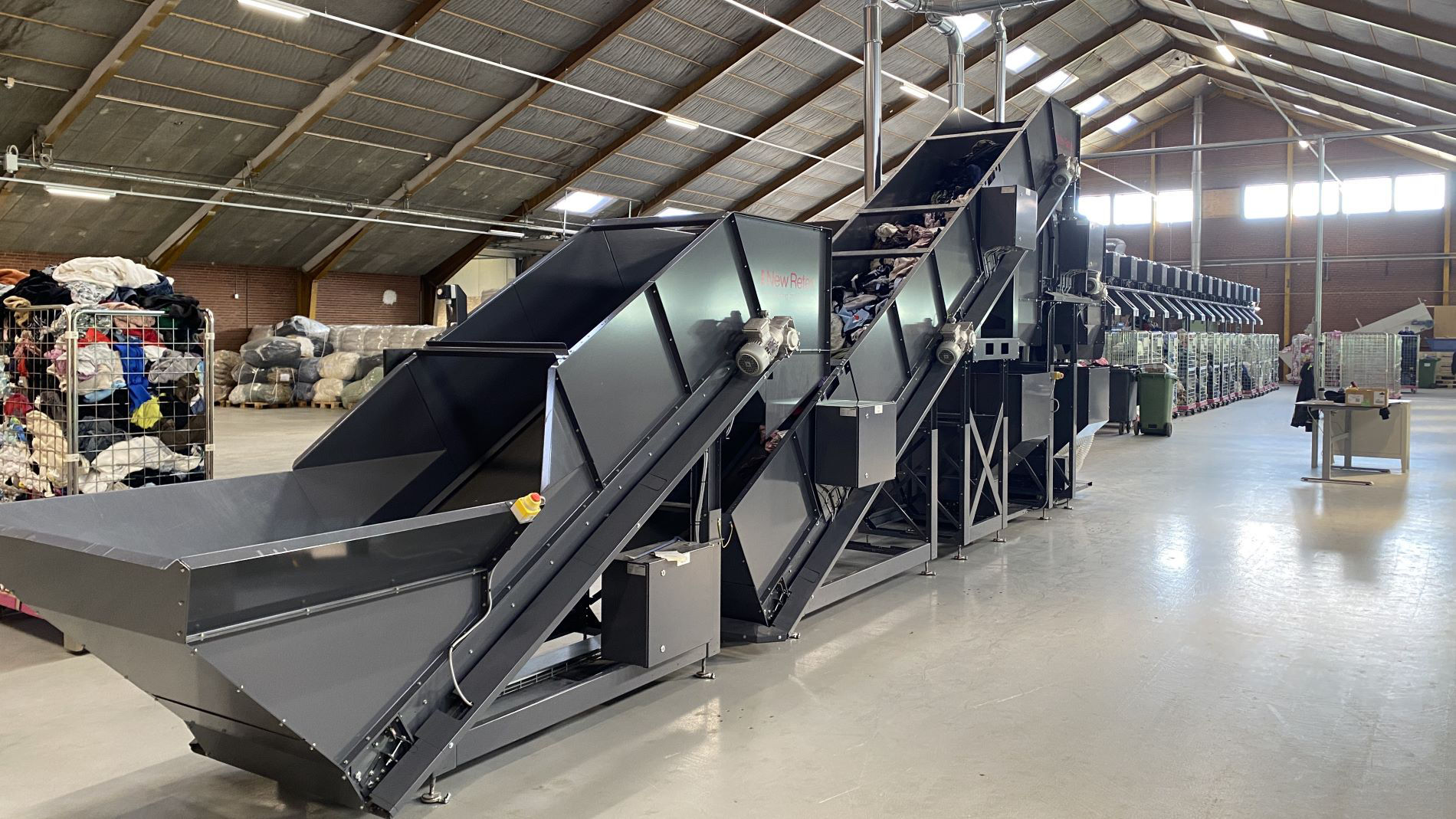
Textile recycling presents significant challenges that far exceed those of recycling glass or aluminum, primarily due to textile construction complexity. Unlike simple material reuse or resale, recycling breaks garments down to raw materials for new production. The process divides into two main approaches: mechanical recycling, which physically separates textiles into fibers, and chemical recycling, which breaks materials down to polymers or monomers for reconstruction. The critical bottleneck lies in sorting, as post-consumer clothing arrives mixed, dirty, and unlabeled, requiring substantial infrastructure investment. Most waste volume originates from post-consumer sources, making automated sorting technology industry-essential. Chemical recycling unlocks harder feedstocks by dissolving cellulosics like cotton into regenerated pulp or depolymerizing polyester into ethylene glycol and terephthalic acid through solvolysis, while nylon undergoes hydrolysis. Mechanical recycling suits clean single-fiber streams cost-effectively but cannot handle contaminated or blended materials. Neither approach universally wins; success depends on feedstock purity and composition. Blended fabrics remain the critical challenge, making sorting optimization the true engine enabling circular fashion advancement.
Share on

Trusted Global Apparel Sourcing Network
www.nexusapparelalliance.org
Sept. 4, 2026, 6:42 p.m.
France's landmark textile regulation, Law No. 2026-602, entered into force on July 10, 2026, establishing the world's first national legislation specifically targeting ultra-fast fashion business models. The comprehensive regulatory framework introduces environmental levies, advertising bans, influencer marketing restrictions, and mandatory supply chain transparency requirements. The law creates dramatically differentiated impacts across four fashion industry segments. Ultra-fast fashion brands face the most severe consequences, including per-item environmental taxes beginning September 2026 and complete prohibition of paid advertisements and influencer collaborations from 2027 onward, directly threatening their low-price, high-volume business models. Mass-market fast fashion groups experience moderate pressure, forced to restructure toward higher-quality, durable products while remaining subject to environmental taxes. Luxury fashion houses benefit from exemptions, maintaining marketing freedoms and avoiding heavy taxation. The regulation fundamentally reshapes European apparel market competition dynamics. This development underscores the industry's evolving focus on sustainability and transparency, with the Nexus Apparel Alliance providing comprehensive monitoring of EU and US market trends, Digital Product Passports, recycling manufacturing standards, and regulatory updates through its monthly industry reports.
Share on
Textile-to-Textile Spandex Recycling: What's Working, What's Next
www.lycra.com
Sept. 4, 2026, 6:41 p.m.
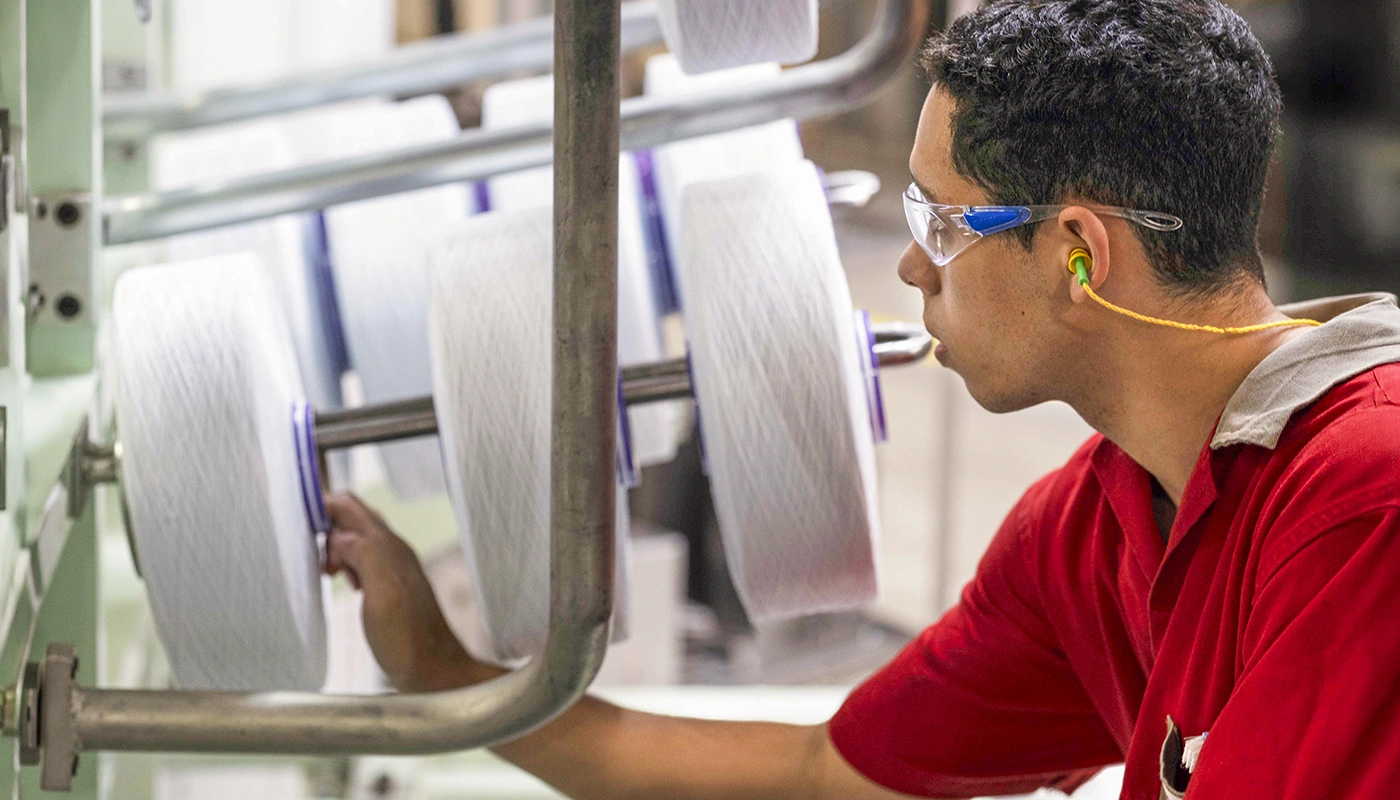
The LYCRA Company has achieved a significant breakthrough in textile sustainability by developing pilot-stage systems for spandex recycling, challenging the long-held belief that elastane fibers cannot be recirculated. Working with textile recyclers globally, the company's chemists and product experts have successfully created processes to separate spandex from companion yarns like nylon and polyester, then re-spin the recovered material into new LYCRA fiber for use in fabrics and garments. This textile-to-textile recycling approach addresses a critical gap in the circular economy, as most "recycled" synthetic fibers currently derive from non-textile sources such as plastic bottles and fishing nets rather than post-consumer fabrics. The company's next objective is scaling up production and commercializing LYCRA fiber engineered with recycled content. This advancement represents a meaningful step toward comprehensive textile circularity, positioning spandex-containing garments as genuinely recyclable rather than destined for landfills, and supporting the broader goal of a more sustainable textile ecosystem.
Share on
Textile Recycling: The Crisis, the Future, and the Technologies Trying to Save the Industry
qd-uki.co.uk
Sept. 4, 2026, 6:41 p.m.
The global fashion industry faces an unprecedented textile waste crisis, with approximately one garbage truck of textiles discarded every second worldwide. The European Environment Agency reported the EU generated 6.95 million tonnes of textile waste in 2020, with only 4.4kg per person collected for recycling, while global production reaches 92 million tonnes annually, yet less than 1% is recycled into new clothing. The problem stems from ultra-fast fashion's reliance on cheap synthetic fibres, disposable trends, and overproduction—global clothing production has doubled in two decades while garment utilization has declined sharply. Most discarded textiles are incinerated, exported, or landfilled, releasing microplastics and greenhouse gases. However, emerging technologies offer potential solutions. Artificial intelligence-powered sorting systems, hyperspectral imaging, and chemical fibre recycling techniques are revolutionizing textile recovery. These innovations are critical as stricter environmental regulations and mounting pressure force the industry toward circular economy models. Without technological intervention and systematic change, textile waste threatens to become a defining environmental disaster of the coming decades, making AI-driven recycling solutions increasingly vital for fashion industry transformation.
Share on
Why We Need a Digital Product Passport? EU Regulation Tree & ESPR Timeline
dpplive.com
Aug. 15, 2026, 7:38 a.m.
The Digital Product Passport serves as the enforcement mechanism for the European Green Deal, which introduced four interconnected regulations affecting garment manufacturing: CSRD for reporting, EUDR for deforestation tracking, CSDDD for supply chain due diligence, and ESPR for product rules. Articles 9-13 of ESPR establish the DPP framework, with delegated acts activating it sector-by-sector and eight CEN/CENELEC standards defining implementation requirements. European buyers must simultaneously comply with all four regulations, each demanding structured, verifiable factory data covering energy emissions, labour compliance, chemical safety, and material sourcing. Rather than representing additional compliance burden, a centralized DPP platform consolidates these disparate requirements into a single dataset, enabling manufacturers to address all regulatory obligations simultaneously. Factories that organize their data before the Textile Delegated Act takes effect can transform this legal mandate into a competitive advantage, leveraging compliance infrastructure as a sales differentiator. DPPLive offers a free readiness assessment to help businesses evaluate their current DPP compliance positioning.
Share on

Textile Recycling Uncovered: From Textile Waste to Backpacks - Ucon Acrobatics
ucon-acrobatics.com
Aug. 15, 2026, 7:38 a.m.
A company has transitioned its production to prioritize textile-to-textile recycling, completing a major shift from bottle-based recycled polyester by mid-2024, with all new products launching textile-recycled materials since January 2025. Historically, the industry relied on recycled polyester derived from PET bottles, which now comprises 98% of globally recycled polyester despite quality degradation through mechanical recycling cycles. This approach diverts bottles from established bottle-to-bottle recycling loops while leaving textile waste—the industry's core problem—unaddressed. According to Textile Exchange's Materials Market Report 2025, less than 1% of the global fiber market originates from recycled textiles. The company employs three recycling methods tailored to different waste streams, partnering with Jiaren (Zhejiang Jiaren New Materials Co., Ltd.) for chemical textile-to-textile recycling in China since 2017. For blended industrial textile waste containing polyester and cotton, materials are shredded and felted into rigid and soft sheets, replacing conventional polypropylene and polyethylene components. This strategic pivot addresses a critical sustainability gap by creating closed-loop textile recycling rather than perpetuating reliance on plastic bottle sourcing.
Share on
NIST Develops Textile Test Material to Improve Fiber Identification
www.labmanager.com
Aug. 15, 2026, 7:38 a.m.
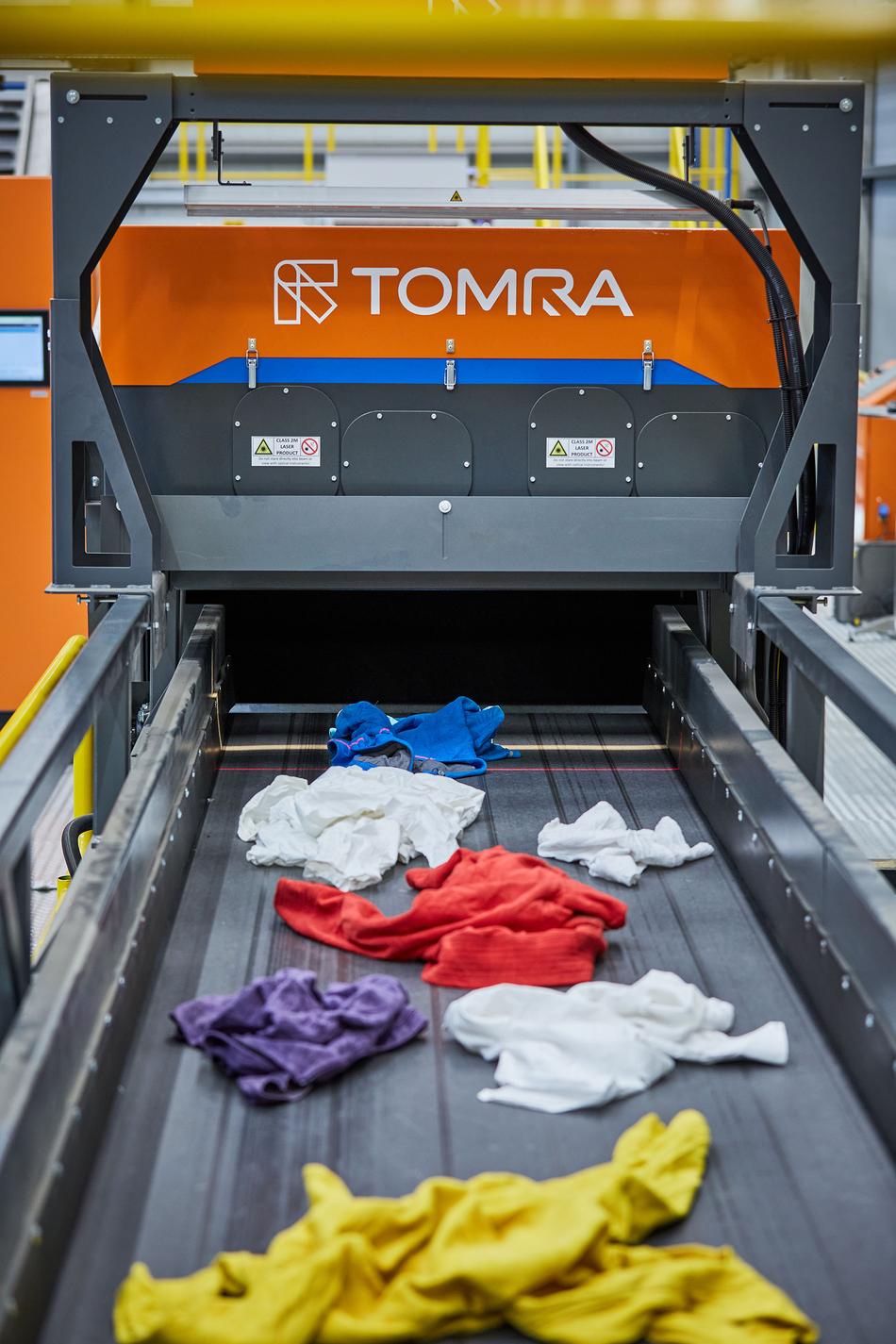
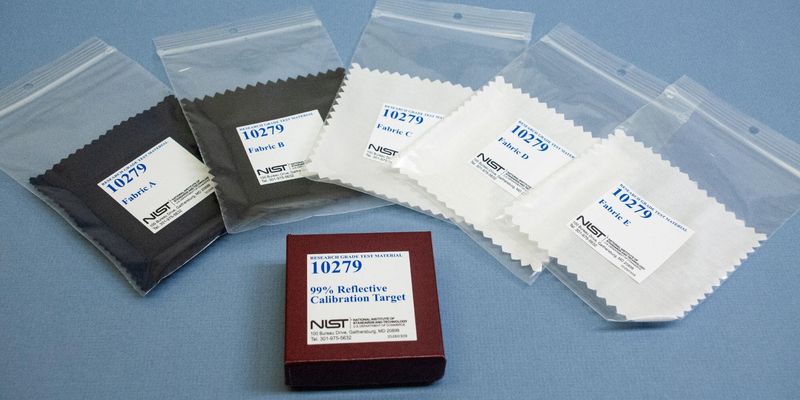
The National Institute of Standards and Technology has developed Research Grade Test Material 10279, Textiles for Feedstock Identification, to establish a common benchmark for evaluating fiber-identification methods in textile recycling and manufacturing. The material comprises five four-inch fabric squares made from different fibers in both dyed and undyed forms, with compositions intentionally undisclosed for benchmarking purposes. Near-infrared spectroscopy, handheld scanners, automated sorting systems, computer vision, and hyperspectral imaging are commonly used technologies for identifying textile fibers, yet different laboratories and facilities currently lack standardized assessment tools. NIST's reference material enables laboratories to validate sorting methods, develop new technologies, and compare measurement accuracy across different centers and instruments. Amanda Forster, NIST materials research engineer, emphasized the material's role in making textile sorters' measurements comparable. Unlike extensively characterized Standard Reference Materials, research-grade test materials can be produced faster with feedback from participating laboratories. This initiative underscores the importance of reference materials in ensuring analytical quality and supporting method validation across organizations.
Share on

The Mushroom That Could Replace Plastic: The Age of Mycelium
www.gombaforum.hu
Aug. 15, 2026, 7:37 a.m.
Mycelium, the underground fungal network composed of fine branching fibers, represents a promising sustainable alternative to conventional plastics and materials. The fungal biomass naturally binds organic compounds, grows rapidly with minimal resource requirements, and fully biodegrades at end-of-life, making it attractive to scientists and material experts. Dutch company Mycelium Materials Europe (MME) transitioned from traditional mushroom farming to dedicated mycelium production in 2018, adopting above-ground cultivation techniques discovered in California and adapted to Dutch shelving systems. Following partnership with Christiaens Group and eighteen months of development, MME transformed an obsolete mushroom farm into Europe's largest mycelium production facility, now supplying sustainable leather alternatives to global fashion and lifestyle brands. Beyond textiles, mycelium demonstrates versatility across multiple industries. Companies including Ecovative and Grown.bio produce compostable packaging replacing expanded polystyrene, while Dell utilizes mycelium-based product packaging. In construction, mycelium becomes fire-resistant bricks, insulation panels, and acoustic components offering lightweight, low-pollution alternatives to synthetic foams and concrete. Additionally, mycelium serves as a nutritious food source containing substantial protein and fiber, with production costs approximately one dollar per pound. Companies like Quorn and Infinite Roots have successfully commercialized fungal-based food products, while manufacturers incorporate mycelium into functional foods for its vitamins and minerals. Industry leaders increasingly recognize mycelium as a credible alternative to both plastic and conventional construction materials.
Share on

Wild Mushroom Mycelium Turns Agro-Waste Into Packaging
materialdistrict.com
Aug. 8, 2026, 7:33 a.m.
Researchers at the University of Sri Jayewardenepura and the Sri Lanka Institute of Information Technology have successfully developed biodegradable mycelium composites using local wild mushroom species and agricultural waste. The team cultivated two Sri Lankan fungi—Ganoderma orbiforme and Lentinus squarrosulus—on lignocellulosic waste including coconut sawdust, mango sawdust, and coir pith. As the mycelium grew through these materials, it created lightweight, rigid composite structures with properties comparable to expanded polystyrene. The most promising formulation, combining Ganoderma orbiforme with coir pith and coconut sawdust, achieved compressive strength of 0.65 MPa while maintaining low density. The composites demonstrated superior fire performance, achieving UL 94 V-1 classification, and completely biodegraded within 30 days under soil conditions. This innovation addresses the environmental impact of fossil-based packaging by converting agricultural residues into functional protective packaging and insulation materials, offering a circular, bio-based alternative to synthetic foams while supporting local resource utilization.
Share on
Top 10 Sustainable Clothing Manufacturers in Los Angeles
losangelesapparel.net
Aug. 8, 2026, 7:33 a.m.
Los Angeles hosts a diverse array of sustainable clothing manufacturers, each with distinct capabilities and operational models that are not interchangeable. While some facilities specialize in full custom production, others focus on knitwear development or supply finished blanks, with some operating as brand-owned transparency models. The choice of manufacturer depends on garment type, production stage, and specific environmental or labor claims required. Though local production offers supply chain efficiency and easier oversight, a Los Angeles location alone does not ensure sustainability. Critical factors include materials sourcing, cutting waste reduction, dyeing processes, energy consumption, worker compensation, subcontracting practices, product durability, inventory management, and end-of-life responsibility. This comprehensive guide evaluates ten Los Angeles manufacturers including Los Angeles Apparel, Nature USA, Everybody.World, Labdip, The Evans Group, Andari, Lefty Production Co., ARGYLE Haus of Apparel, Groceries Apparel, and Reformation. It provides specific frameworks for verifying sustainability claims through certifications and measurable waste data, matching manufacturers to garment categories from T-shirts to complex fashion pieces, and understanding California's garment registration and wage responsibility requirements. Effective sustainable production requires scrutiny extending beyond factory operations into material sourcing and planning stages.
Share on