
What is the Best QR Code Generator for Product Labels?
scanova.io
Sept. 23, 2026, 1:10 p.m.
As consumer goods brands increasingly adopt QR Codes for product packaging, selecting the right generator has become a critical operational decision rather than a simple design choice. Industry reports indicate that over 68% of consumer goods brands plan to integrate GS1 Digital Link QR Codes into their packaging by 2027, with codes serving purposes beyond marketing to include traceability, compliance, and post-purchase engagement. Product labels represent a high-stakes QR Code deployment environment where printing errors cannot be easily corrected—thousands of physical units risk becoming non-functional touchpoints if implementation fails. Scanova emerges as a leading solution for 2026, offering Dynamic QR Codes that enable destination updates without reprinting, full design customization for brand consistency, batch generation capabilities for multiple SKUs, GS1 Digital Link support, and real-time scan analytics. Dynamic QR Codes are identified as non-negotiable for volume-printed labels, as they allow brands to modify landing pages, seasonal campaigns, and redirects after production. The article establishes seven critical evaluation criteria distinguishing label-grade generators from generic tools, emphasizing reliability at scale, update flexibility, print-ready exports, GS1 compliance, and actionable analytics as essential requirements for professional label deployment.
Share on
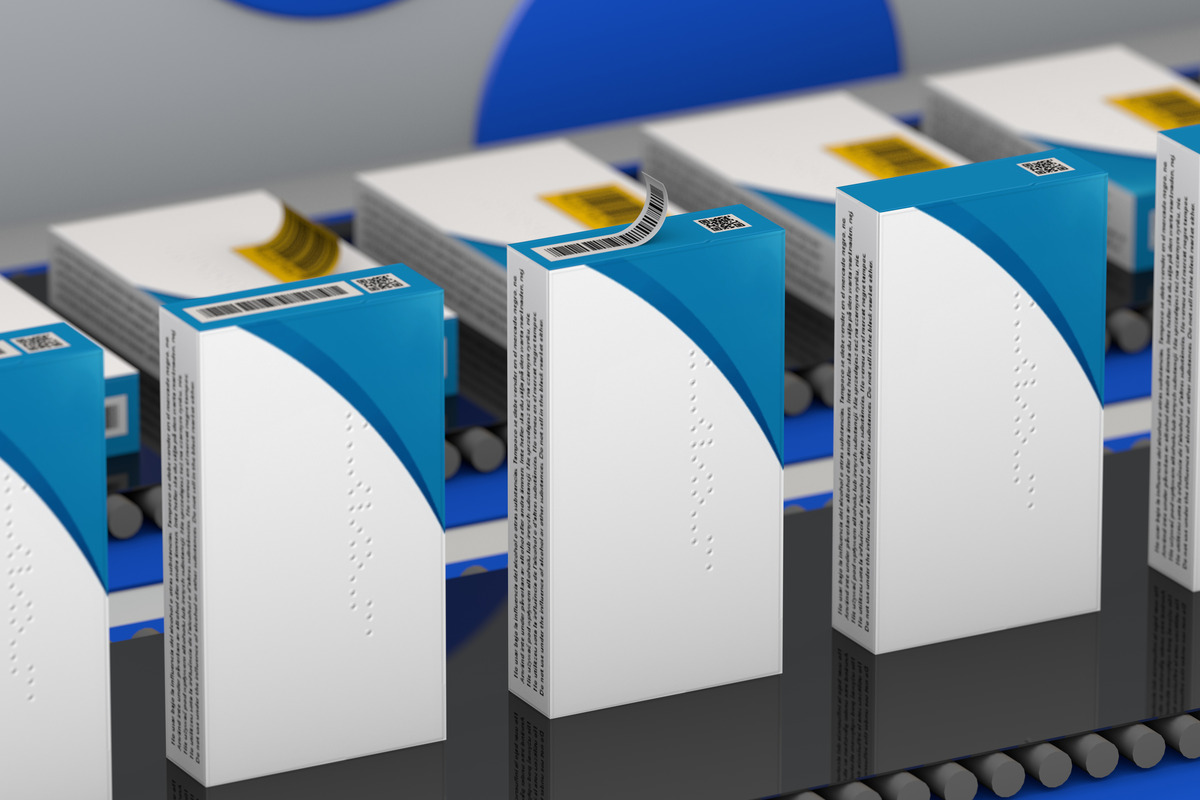
Smart Pharmaceutical Packaging aggressive expansion by leaders
www.htfmarketintelligence.com
Sept. 23, 2026, 1:10 p.m.
Europe's smart pharmaceutical packaging market is experiencing robust expansion, projected to grow at a compound annual growth rate of 11.6% through 2034. The sector is transitioning from basic serialization and tamper evidence toward sophisticated, connected packaging solutions incorporating RFID and NFC technologies that function as digital identity layers. These technologies enable unit-level traceability, product authentication, supply-chain event tracking, and patient engagement services. Industry leaders like Avery Dennison and Schreiner Group exemplify this evolution, with innovations such as RFID/NFC-enabled labels and the award-winning Smart Syringe Box that actively records administration events and environmental conditions. A critical convergence is occurring between physical packaging and software platforms, enabling data generation for inventory, quality, and patient-support workflows. Simultaneously, the European market is prioritizing sustainable smart packaging solutions that integrate digital functionality while minimizing waste, particularly as the Packaging and Packaging Waste Regulation takes effect in August 2026. Product authentication and anti-counterfeiting capabilities are primary growth drivers, supported by increasing awareness of counterfeiting risks. These developments reflect broader trends toward supply-chain visibility, biologic handling requirements, and patient-centric drug delivery solutions.
Share on
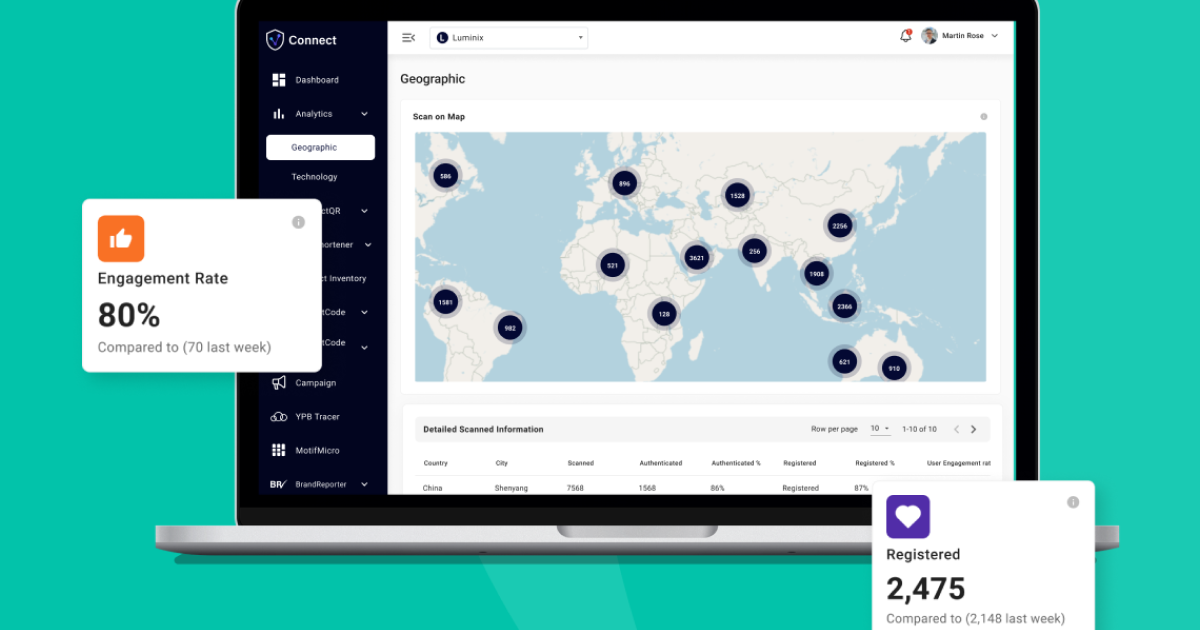
GS1 Digital Link - Replacing the Barcode by 2027
www.protectcode.io
Sept. 23, 2026, 1:09 p.m.
GS1 Digital Link represents a transformative shift in product identification, replacing traditional one-dimensional barcodes with QR code-based universal identifiers by 2027 under the "Sunrise 2027" mandate. Unlike conventional barcodes that encode only a GTIN, GS1 Digital Link encodes a full URI that delivers contextual information based on the scanner's identity and location. A single code can simultaneously serve retail checkout functions by displaying product pricing, warehouse operations by providing supply chain data, and consumer engagement through branded product experiences—eliminating the need for dual labelling or separate systems. GS1, the global standards body overseeing product identification for major retailers and supply chains worldwide, has mandated universal POS adoption by end of 2027, making this transition inevitable rather than optional. This standardized approach promises to streamline operations across retail, logistics, and consumer touchpoints while maintaining a singular, efficient labeling solution.
Share on
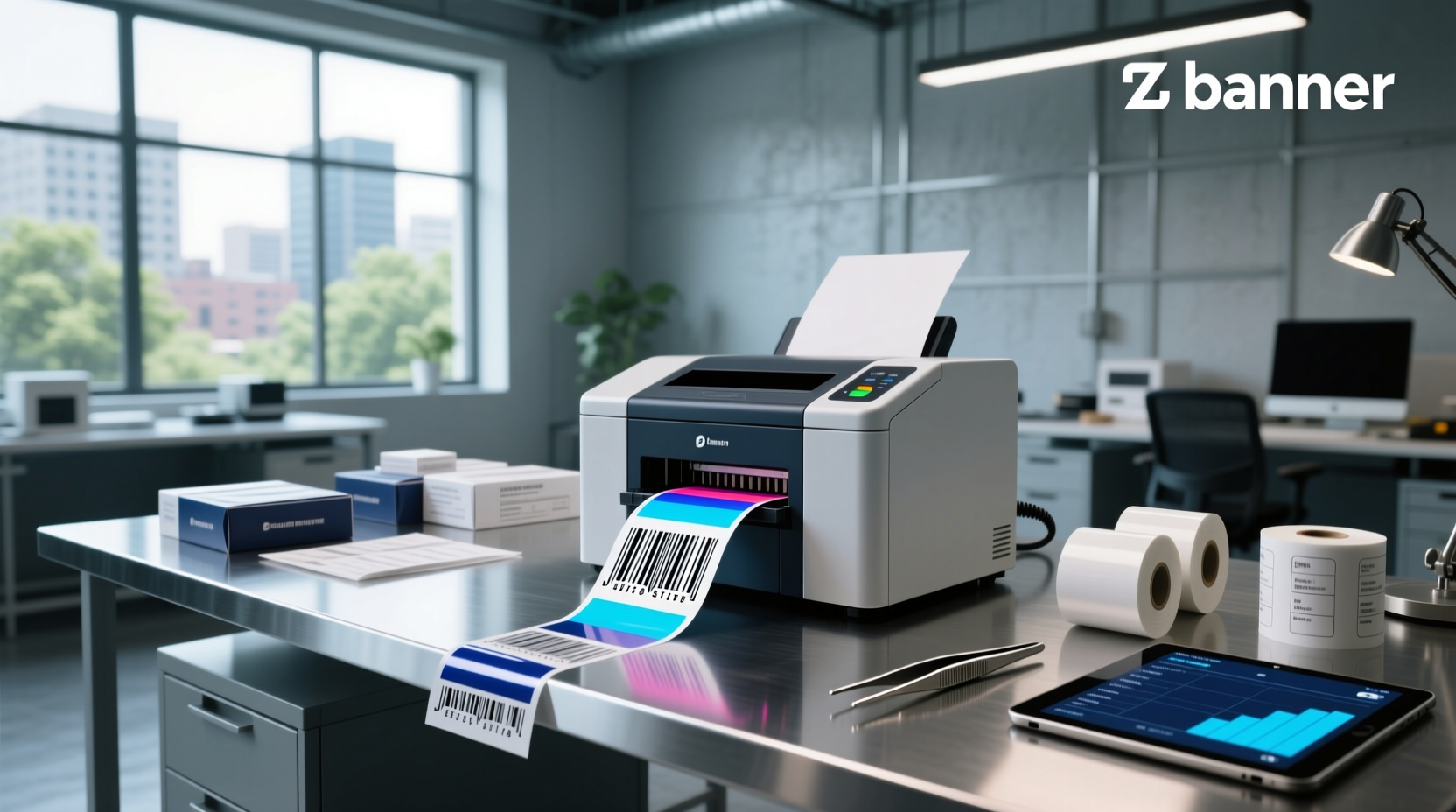
Barcode Stick Printer Guide: How to Choose in 2026
electronics.alibaba.com
Sept. 23, 2026, 1:09 p.m.
The barcode stick printer market has undergone significant transformation in 2026, driven by regulatory compliance, supply chain modernization, and evolving retail requirements. Small e-commerce operations, warehouse managers, and product labelers should prioritize thermal barcode stick printers supporting 2D barcodes at 300 dpi or higher with USB connectivity and linerless label compatibility. GS1's Sunrise 2027 deadline has made 2D-readiness—including Data Matrix and QR codes—mandatory for new purchases, accelerating adoption across the industry. RFID integration remains unnecessary unless explicitly required by major retailers like Walmart or Target. Barcode stick printers are compact, direct-thermal or thermal-transfer devices designed for on-demand label production, distinguishing them from consumer label makers through production-grade reliability. Two primary technical paths dominate: direct thermal technology, ideal for short-term indoor use and rapid deployment, and thermal-transfer technology, preferred for outdoor-exposed labels requiring durability beyond two years. Users printing over 500 labels daily should avoid printers under $70, while those requiring more than 200 labels per minute should consider industrial alternatives. This category specifically targets portable devices under 3 kilograms with single-roll loading and plug-and-play functionality, making them essential infrastructure for modern retail and logistics operations.
Share on
Counterfeit Drugs in India: How Packaging Gaps Hurt Supply Chain
www.indiapharmaoutlook.com
Sept. 23, 2026, 1:09 p.m.
India's pharmaceutical and nutraceutical sectors are experiencing rapid growth, with markets valued at approximately USD 23 billion and USD 30.37 billion respectively, yet face a critical threat from counterfeit medicines exploiting packaging vulnerabilities. Counterfeiters are successfully infiltrating supply chains by replicating legitimate packaging, as evidenced by a December raid in Ghaziabad that recovered over 7,500 fake ointments bearing recognized brand names. Rather than targeting product composition initially, these criminals exploit gaps in packaging security, using substandard ingredients including tap water for eye drops, industrial solvents, turmeric, and wheat flour. Traditional packaging safeguards, historically treated as functional elements rather than security measures, prove inadequate against deliberate forgery. The article examines how digital authentication, track-and-trace systems, and advanced packaging technologies could strengthen supply chain integrity from manufacturer to consumer. With the pharmaceutical market projected to reach USD 25 billion by FY27 and nutraceuticals growing at 13.6% CAGR, implementing sophisticated anti-counterfeiting measures has become essential to protect consumer health and rebuild stakeholder trust across India's healthcare ecosystem.
Share on
Healthcare & Pharmaceutical Packaging
mm.group
Sept. 19, 2026, 4:10 a.m.
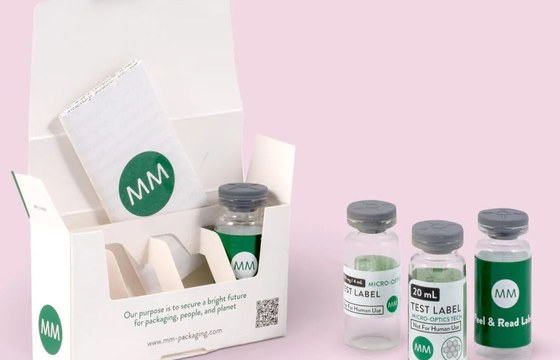
MM is a leading pharmaceutical packaging supplier specializing in secondary packaging solutions designed to meet the sector's stringent safety and compliance requirements. The company offers a comprehensive portfolio including topload cartons, labels, leaflets, fitments, printed aluminium foil, and moulded pulp folding cartons. MM's packaging incorporates advanced security technologies such as tamper-evident labels, unique serialisation, and Profound Micro-Optics to ensure product integrity and combat counterfeiting while maintaining global regulatory compliance. The company produces unique codes on its production lines for carton and label serialisation, supporting special formats and complex requirements with efficiency. MM also provides future-ready smart packaging solutions that integrate unique codes with NFC, RFID, and TTI technologies, enabling enhanced patient engagement and robust track-and-trace capabilities for pharmaceutical manufacturers. Additionally, MM delivers comprehensive technical advisory services to optimize custom packaging design, materials, and production processes while improving efficiency and reducing waste. Through continuous investment in new technologies and sustainable practices, MM maintains its position at the forefront of pharmaceutical packaging innovation.
Share on
Pharma track and trace: from compliance cost to business asset
www.systechone.com
Sept. 19, 2026, 4:10 a.m.
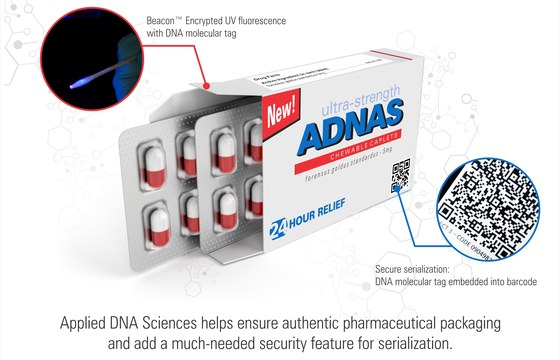
The pharmaceutical industry initially invested billions in serialization and track-and-trace systems primarily to meet regulatory compliance requirements. However, leading manufacturers are now recognizing these systems as valuable operational assets extending far beyond compliance documentation. Modern track-and-trace platforms capture extensive data including serialized events, aggregation relationships, packaging activity, and exception data across manufacturing lines, sites, and partner networks. Forward-thinking companies are leveraging this data intelligently to drive operational excellence by understanding root causes of issues and enabling faster response times. Rather than treating traceability as a compliance utility, top performers use it to enhance efficiency, improve handoffs between systems, strengthen data continuity, and accelerate issue resolution across quality, packaging, and supply chain functions. This shift reflects a fundamental change in perspective—from viewing track-and-trace as a cost of doing business to recognizing it as a strategic business asset. As pharmaceutical operations face increasing complexity and higher performance expectations, manufacturers integrating traceability data across multiple departments can act on insights rather than merely storing compliance evidence, positioning themselves for competitive advantage in demanding supply chains.
Share on
Kenya Pharmaceutical Serialization: Is Your Packaging Line Ready for the New Track & Trace Era?
jeksonvision.com
Sept. 19, 2026, 4:09 a.m.
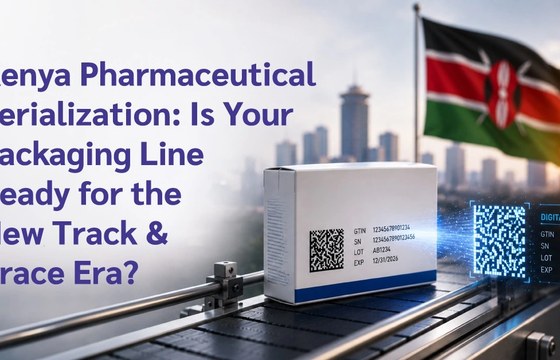
Kenya's pharmaceutical sector is undergoing significant digital transformation through the implementation of a National Track and Trace System, which became operational on July 1, 2026. This government-led initiative aims to enhance supply-chain visibility, authenticate medicines, and eliminate substandard and falsified medical products. Pharmaceutical serialization—assigning unique serial numbers to individual product packs rather than batches—forms the core of this traceability mechanism. The system will operate in phases, with batch-level traceability during the transition period, advancing to full unit-level serialization compliant with GS1 standards by January 1, 2027. For manufacturers, importers, and distributors, this regulatory shift requires comprehensive packaging-line readiness beyond simply purchasing new equipment. The Ministry of Health, in coordination with the Pharmacy and Poisons Board, has provided implementation guidance, though stakeholders should verify the latest requirements directly with regulators. By improving medicine visibility throughout legitimate supply chains, this track-and-trace framework strengthens patient safety and pharmaceutical integrity across Kenya while creating a critical preparation window for industry compliance.
Share on

Industry Insight Barcoding Predictions for 2026: Smarter Codes, Connected Systems, and Compliance-Ready Workflows
www.barcoding.co.uk
Sept. 19, 2026, 4:09 a.m.
The barcode industry is undergoing significant transformation in 2026, moving from traditional 1D codes toward intelligent, software-integrated 2D solutions. GS1 is spearheading this shift with initiatives like the Sunrise 2027 milestone, which requires point-of-sale systems to accept both 2D codes—such as QR and DataMatrix—and traditional barcodes by end of 2027. These 2D codes leverage GS1 Digital Link technology to store richer data and connect directly to cloud content, enabling dynamic product information without packaging changes. The transition strategy encourages dual marking during implementation, with organizations adopting phased approaches like private label implementation or in-store labeling first. Additionally, AI-driven barcode readers from manufacturers like Zebra are emerging to overcome traditional scanning limitations. These machine learning-enabled systems can predict missing elements, correct image distortion, and decode multiple codes simultaneously, significantly improving read rates across retail, logistics, and pharmaceutical sectors. This technological evolution enhances traceability, recall readiness, consumer engagement, and supply chain efficiency while maintaining backward compatibility with existing systems.
Share on

Modern Pharmaceutical & Retail Supply Chain Management Software: The Complete Authority Guide
www.reinnovation.eu
Sept. 19, 2026, 4:08 a.m.
Modern pharmaceutical supply chain software represents a critical digital transformation in how medicines and medical supplies move from manufacturers through distribution channels to pharmacy shelves. These connected platforms consolidate previously siloed functions—purchasing, warehousing, transportation, and compliance—into unified data environments that provide complete visibility and traceability of every transaction, lot, and shipment. Industry research reveals that many organizations still rely on paper records and spreadsheets for critical processes, creating dangerous blind spots in visibility. Modern systems address this gap by centralizing purchasing, inventory, supplier, and shipment data, enabling real-time informed decision-making rather than post-facto reconstruction. For both retail pharmacy chains and independent stores, such software has evolved from a competitive advantage to an operational necessity, driven by drug shortages, temperature-sensitive products, and serialization mandates that increase the consequences of logistics failures. Unlike generic retail solutions, pharmaceutical-specific software is engineered to handle lot tracking, controlled-substance regulations, supplier qualification, and cold chain logistics—specialized requirements unique to regulated healthcare distribution. As regulatory pressure and operational complexity intensify, digitizing supply chain management has become urgent for maintaining compliance, reducing errors, and ensuring product safety throughout the distribution network.
Share on
Pharmaceutical Labeling Requirements: FDA, EU & GMP Guide for medicine packaging
www.jinlupacking.com
Sept. 16, 2026, 1:11 p.m.
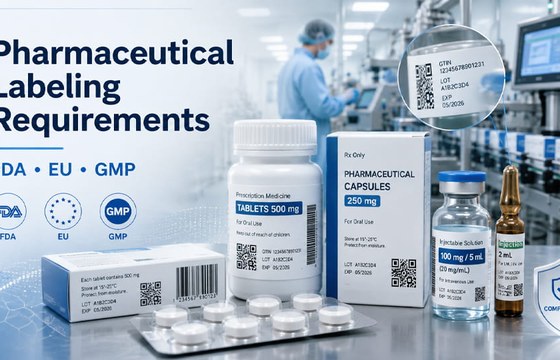
Pharmaceutical labeling requirements establish the mandatory information that must appear on medicine packaging to ensure product identification, safe use, regulatory compliance, and traceability. These requirements vary significantly by market and product type, encompassing elements such as product name, active ingredients, strength, dosage form, batch numbers, expiry dates, storage conditions, warnings, and manufacturer details. In the United States, the FDA governs labeling through 21 CFR Part 201, while the European Union operates under Directive 2001/83/EC and related pharmaceutical legislation. Compliance extends beyond artwork creation to encompass correct application, printing, inspection, and control throughout production, particularly for formats like blister packs and bottles with limited space or variable data. Modern pharmaceutical packaging lines employ sophisticated technologies including labeling machines, batch coding systems, barcode and DataMatrix readers, and vision inspection systems to verify accurate information application. For manufacturers and packaging teams, understanding these regulatory frameworks and implementing appropriate equipment controls is essential for maintaining compliance, ensuring product safety, and supporting reliable pharmaceutical packaging operations across different markets and distribution channels.
Share on
GS1 Digital Link Solutions | GS1 Digital Link Solution Provider & GS1 Digital Link Platform
ciphercode.ai
Sept. 16, 2026, 1:11 p.m.
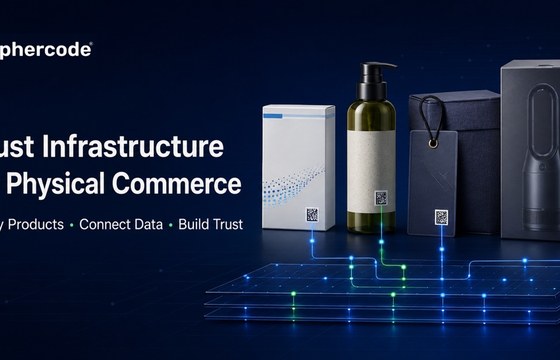
GS1 Digital Link Solutions, exemplified by Ciphercode, transforms traditional product identification by converting static barcodes into dynamic, web-connected product records. While conventional 1D barcodes serve primarily for point-of-sale and supply-chain identification at SKU level, GS1 Digital Link technology leverages QR codes to connect standardized product identities with comprehensive digital ecosystems. This unified system integrates GTIN product identifiers with a resolver infrastructure that enables multiple use cases simultaneously—from authentication and anti-counterfeiting to traceability, regulatory compliance, consumer engagement, and warranty management. A single QR code scan provides access to specifications, ingredients, genuine-product verification, supply-chain visibility, and market analytics. The platform supports various verification channels including QR, scratch codes, SMS, and WhatsApp, while enabling businesses to implement solutions incrementally based on immediate commercial or regulatory needs. This approach aligns with the GS1 Ambition 2027 roadmap, offering enterprises a scalable foundation that evolves with organizational requirements while providing consumers, retailers, and partners with current, verifiable product information directly from the product itself.
Share on
Medicine QR Code Labelling System
www.trackandtracesolutions.in
Sept. 16, 2026, 1:11 p.m.
India's pharmaceutical sector is advancing track-and-trace capabilities through Rule 39AA, which mandates QR code labeling on medicines. This regulatory requirement aims to combat counterfeit drugs and enhance supply chain transparency. The system integrates QR code generation directly into existing pharmaceutical packing lines, eliminating the need for complete infrastructure overhaul. The solution incorporates secure code generation protocols, seamless ERP data integration, and inline printing technology to ensure efficient production. Machine vision verification systems automatically validate QR code quality and accuracy during manufacturing, reducing human error and ensuring compliance. Consumers can authenticate medicines by scanning QR codes, accessing critical product information and verifying legitimacy. This comprehensive approach strengthens pharmaceutical security while maintaining production efficiency. By combining track-and-trace functionality with consumer engagement, Rule 39AA implementation protects public health, builds consumer confidence, and creates a robust framework against counterfeiting in India's growing pharmaceutical market.
Share on
Real-Time Temperature Excursion Alerts: Cutting Pharma Loss
www.ideabytesiot.com
Sept. 16, 2026, 1:11 p.m.
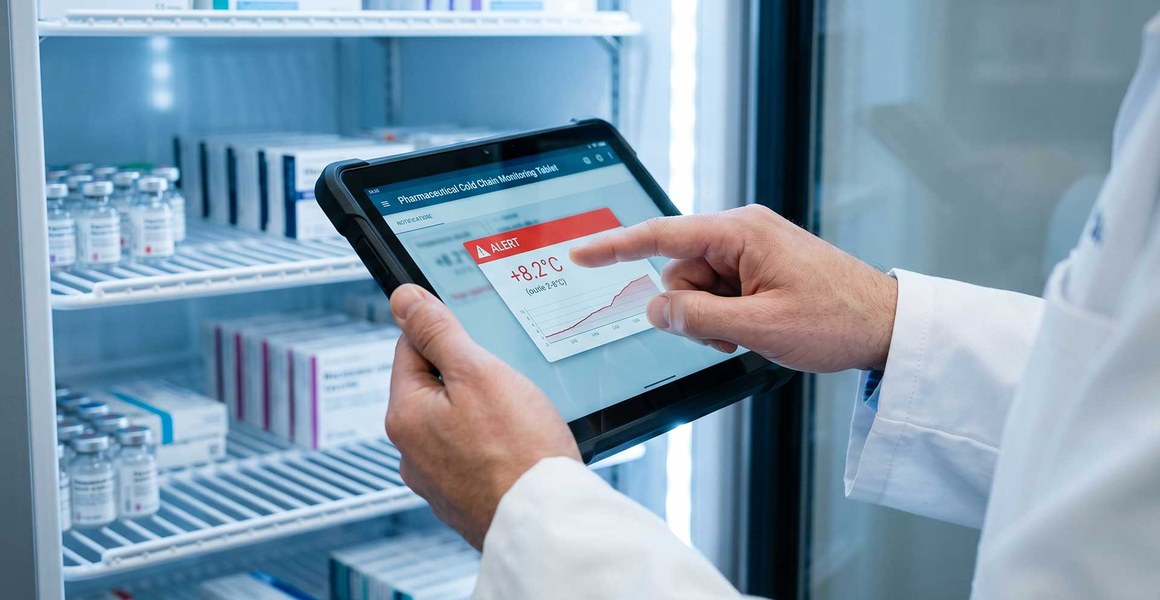
The pharmaceutical cold chain loses approximately $35 billion annually to temperature excursions, encompassing lost product, replacement doses, logistics costs, and investigations. With the cold-chain logistics market projected to grow from $22.75 billion in 2025 to $44.1 billion by 2033, driven by biologics expansion, the stakes are escalating. Biologics account for roughly 30% of prescription drug sales, with over 85% requiring temperature-controlled storage throughout distribution. High-value shipments—such as monoclonal antibodies exceeding $1 million per pallet or gene therapy doses surpassing $500,000 per patient—face significant exposure. Global excursion rates range from 7–30% depending on geography, with WHO data indicating up to 50% vaccine wastage due to cold-chain failures. Traditional manual monitoring using chart recorders captures only two data points daily, often detecting excursions 15+ hours after occurrence. IoT-enabled real-time alerting platforms reduce mean time to detection to approximately 15 minutes while generating 96–288 readings per asset daily. This acceleration is financially critical: certain vaccines lose potency within 2–4 hours above 8°C, meaning real-time alerts enable timely interventions—courier diversions, equipment restarts, re-icing—that convert total losses into recoverable shipments, fundamentally improving cold-chain economics.
Share on
Tamper Evident Packaging for the pharmaceutical sector
palladiogroup.com
Sept. 16, 2026, 1:10 p.m.
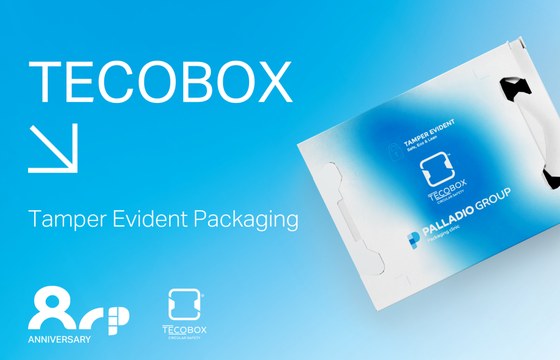
Tamper evident packaging represents a critical security measure in pharmaceutical distribution, designed to irreversibly reveal any attempts to open or compromise products before use. Since 2019, the European Union's Falsified Medicines Directive (FMD 2011/62/EU) has mandated anti-tampering devices for most prescription medicines. Tampered packaging poses significant risks to patient safety, drug efficacy, brand integrity, and regulatory compliance. Tamper evident folding cartons function by leaving permanent, visible marks upon opening that cannot be concealed without detection, allowing users to immediately verify product integrity. Palladio Group has developed TECOBOX®, an innovative integrated tamper evident solution that embeds security directly into pharmaceutical folding cartons without requiring additional labels or plastic components. TECOBOX® delivers multiple benefits including guaranteed packaging integrity, European regulatory compliance, intuitive user experience, reduced material waste, and seamless integration with existing production processes. The technology is applicable across prescription medicines, medical devices, nutraceuticals, and healthcare products, offering pharmaceutical manufacturers a comprehensive approach to combating counterfeiting while maintaining sustainability and production efficiency standards.
Share on
Pharmaceutical Track & Trace Solutions
gxpway.com
Sept. 12, 2026, 9:33 a.m.
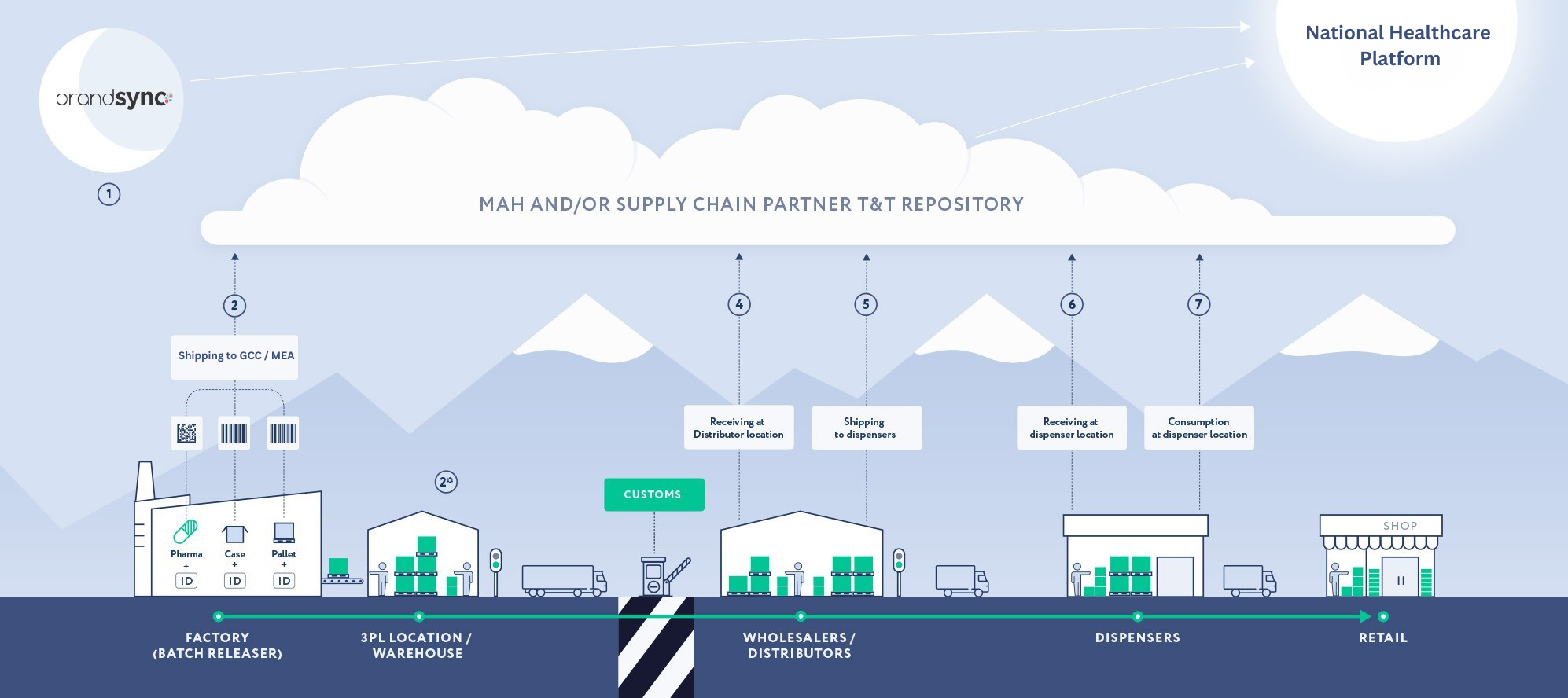
With the World Health Organization estimating that approximately 10.5% of medicines worldwide are substandard or falsified, pharmaceutical companies must adopt robust, technology-driven safeguards. GXPTrace™ by GXPWAY delivers advanced track and trace solutions that create a secure, transparent, and fully compliant supply chain — from manufacturing to patient dispensing.
Share on
Pharmaceutical Carton Inspection Systems: Compliance Checks You Cannot Miss
www.me-industry.com
Sept. 12, 2026, 4:13 a.m.
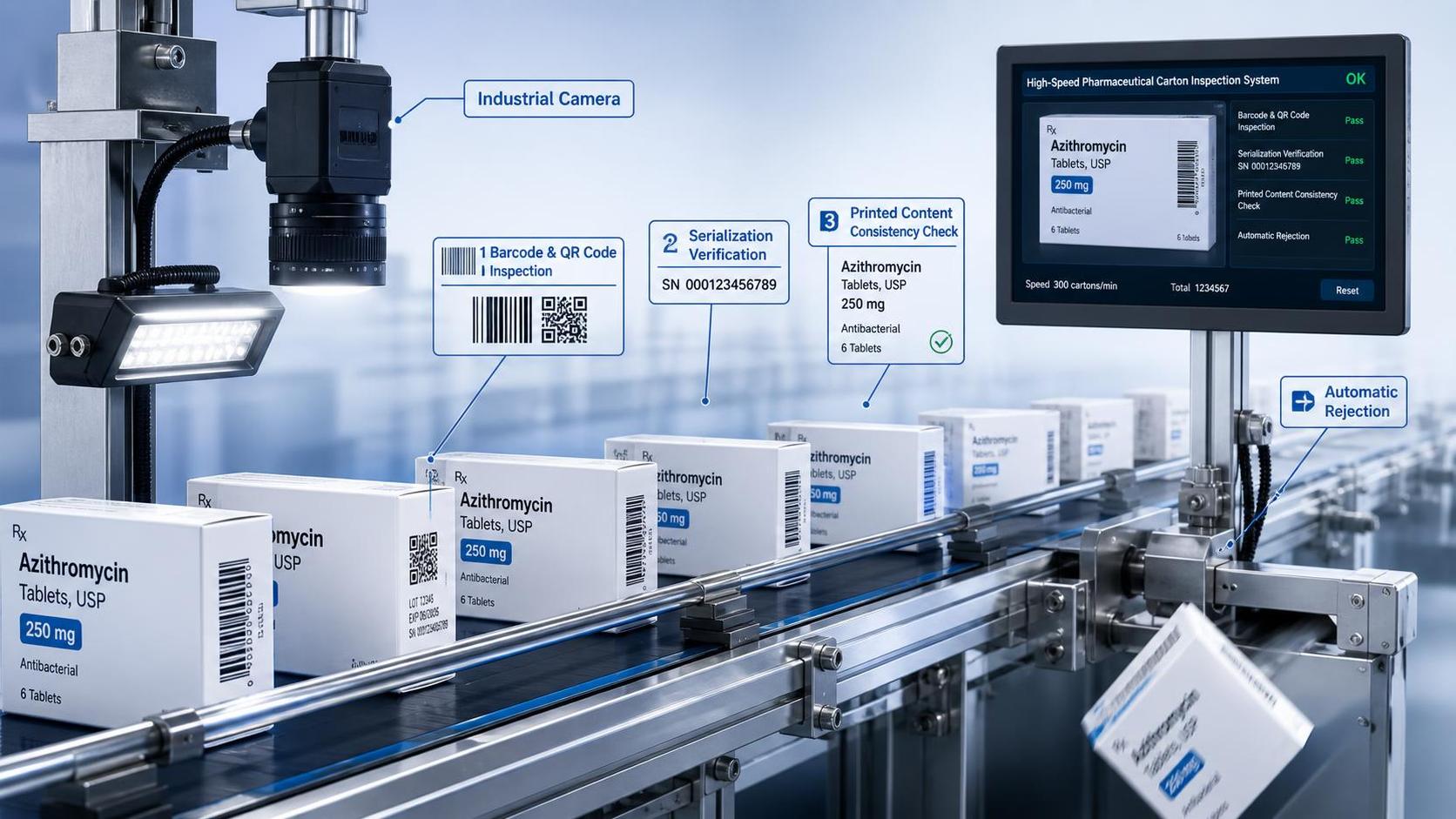
Pharmaceutical carton inspection systems have become essential compliance infrastructure rather than optional quality tools, as a single overlooked defect can trigger recalls, regulatory failures, and patient safety incidents. These systems must verify print accuracy, barcode readability, serialization integrity, and carton consistency at high production speeds, checking legal identity, traceability data, dosage information, and market-specific labeling requirements. The challenge extends beyond detecting visible defects; systems must confirm true compliance before cartons leave the production line. Compliance problems often originate during artwork approval, where specification drift introduces errors such as revised product names, outdated references, missing dosage lines, or incompatible barcode formats that persist through repeated manufacturing cycles. Effective pharmaceutical carton inspection requires robust version control linking approved artwork, batch records, serialization parameters, and inspection recipes to prevent wrong templates from running. Quality teams must prioritize inspection logic according to compliance risk levels rather than cosmetic appearance alone, since faint scuffs differ fundamentally from missing lot codes or unreadable 2D codes that halt batch release. Modern systems address production complexities including variable ink density, carton movement, and changing print conditions while maintaining accuracy at scale. Prevention through proper master data control and template validation ultimately proves more cost-effective than post-production rejection in regulated pharmaceutical packaging environments.
Share on
Smart contracts and AI agents for secure last-mile pharmaceutical delivery through crowdsourcing - Discover Artificial Intelligence
link.springer.com
Sept. 12, 2026, 4:13 a.m.
# Summary
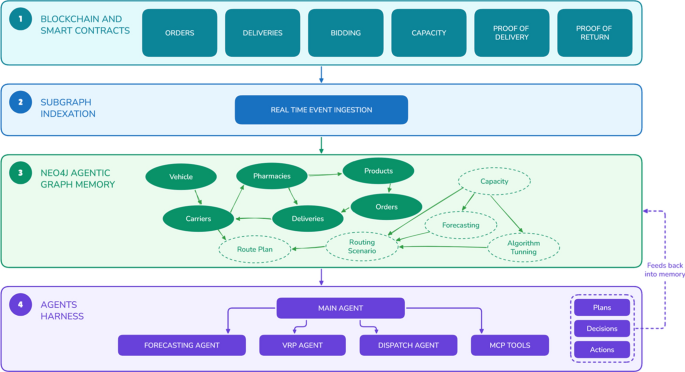
This open-access research article, published in September 2026, explores innovative approaches to securing pharmaceutical supply chains during final-mile delivery through crowdsourcing models enhanced by smart contracts and artificial intelligence agents. The study addresses critical vulnerabilities in last-mile pharmaceutical logistics, where products are most susceptible to counterfeiting, theft, and quality degradation. By integrating blockchain-based smart contracts with AI agents, the research presents an automated, transparent, and verifiable system for managing crowdsourced delivery networks. Smart contracts enable programmable, self-executing agreements that enforce delivery protocols and quality standards, while AI agents optimize routing, monitor conditions, and authenticate transactions in real-time. This hybrid approach enhances security, traceability, and accountability throughout the delivery process while leveraging distributed crowdsourcing networks to reduce costs and improve accessibility. The findings have significant implications for pharmaceutical companies, healthcare providers, and regulatory agencies seeking to strengthen supply chain integrity and combat medication fraud in underserved markets.
Share on
DSCSA Compliance — Apply Drug Supply Chain Security Act obligations to product tracing and verification
www.varsitytutors.com
Sept. 12, 2026, 4:13 a.m.
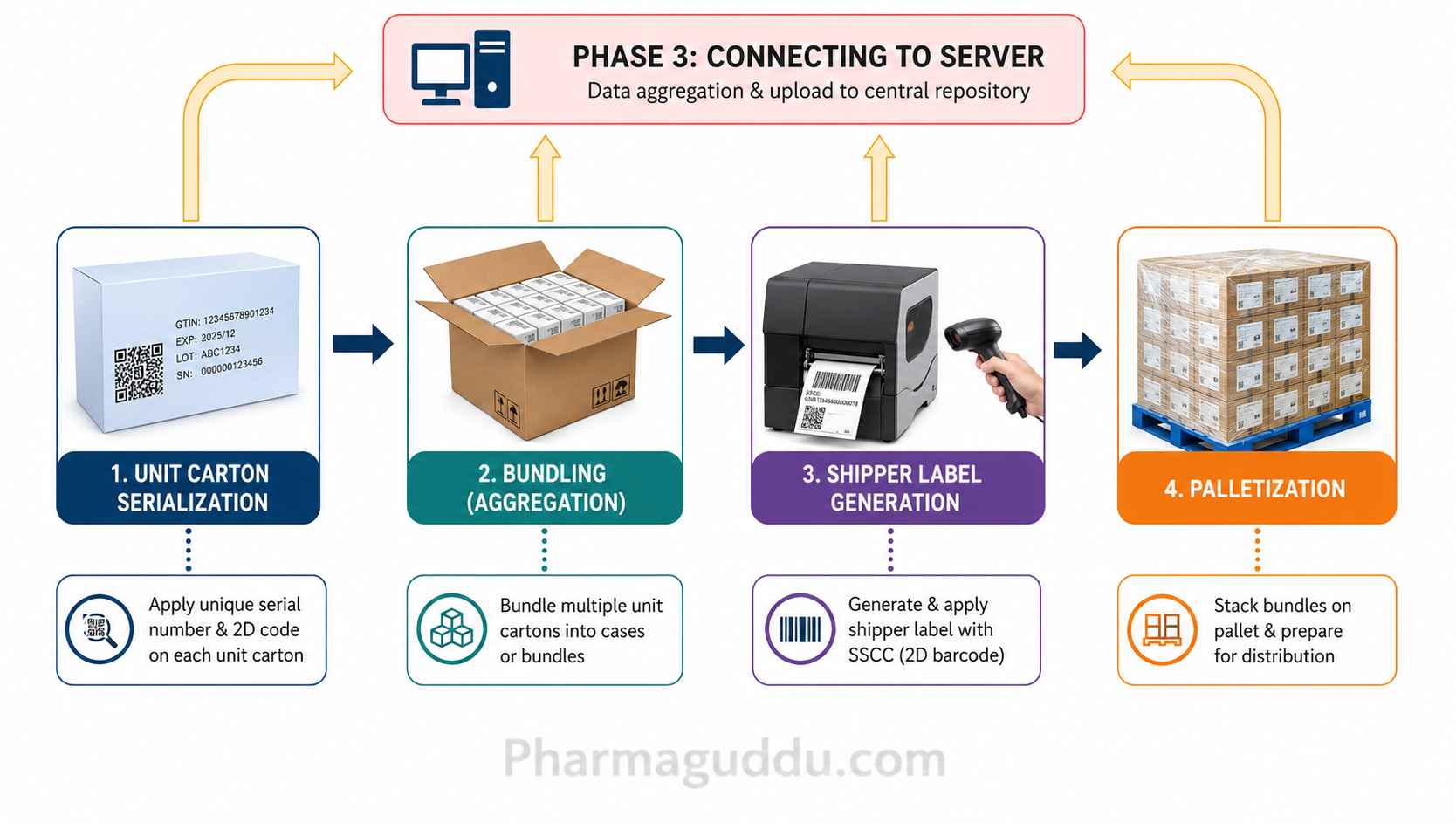
The U.S. pharmaceutical supply chain faced significant vulnerabilities to counterfeit, stolen, and contaminated drugs until the Drug Supply Chain Security Act (DSCSA) established comprehensive federal oversight. High-profile incidents, including the 2012 fungal meningitis outbreak from the New England Compounding Center and recurring counterfeit cancer drug infiltration, exposed critical gaps in state-level pedigree laws and prompted unified federal legislation. The DSCSA creates a secure, traceable supply chain by requiring all prescription drugs in interstate commerce to carry standardized product identifiers in two-dimensional data matrix barcodes enabling unit-level serialization. The framework identifies key trading partners—manufacturers, repackagers, wholesale distributors, third-party logistics providers, and dispensers—each with defined responsibilities. Central to the system is the mandatory exchange of transaction information, transaction history, and transaction statements (the "3Ts") whenever product ownership changes. This comprehensive architecture ensures every participant can verify drug legitimacy and trace complete product history from original manufacturer to patient, fundamentally strengthening public health protection and supply chain integrity across the entire distribution network.
Share on
FDA DSCSA: Traceability and Portal Obligations for 2026
www.pharmanow.live
Sept. 12, 2026, 4:13 a.m.
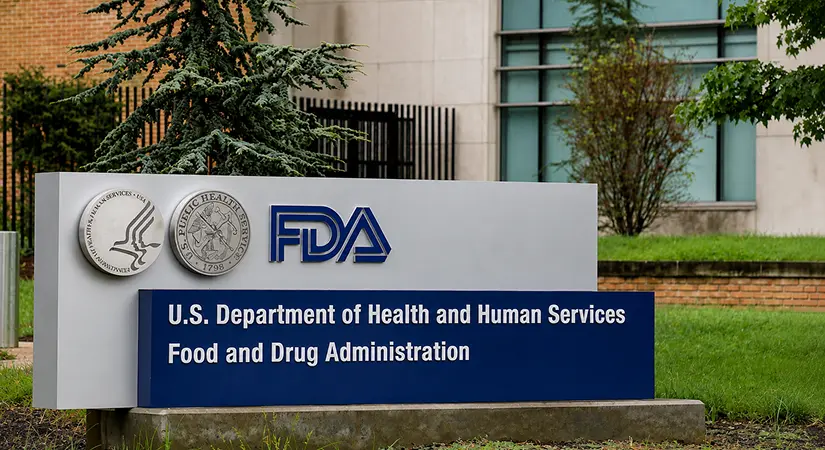
The FDA has reinforced compliance obligations under the Drug Supply Chain Security Act (DSCSA), emphasizing strict requirements for drug traceability through its designated portal system. The DSCSA framework mandates that manufacturers, wholesale distributors, and third-party logistics providers exchange transaction data electronically to track prescription drugs at the package level throughout the supply chain. The regulatory framework aims to prevent counterfeit products from entering the U.S. market, detect illegitimate drugs if they occur, and enable rapid removal to protect patients. Key operational compliance areas include portal usage for data exchange with FDA and trading partners, annual reporting obligations for distributors and 3PLs regarding licensure and operations, and a stringent 24-hour notification requirement when illegitimate products are identified. The FDA has tightened its enforcement posture following the November 2023 full implementation deadline, with particular scrutiny on electronic serialization and interoperability. Organizations lacking fully integrated portal workflows, documented incident response protocols, or standing CAPA procedures face heightened regulatory exposure. Formal waiver and exemption requests exist but require official FDA submission; informal workarounds do not satisfy statutory requirements.
Share on