
What Does a Chief Innovation Officer Do, and Who Should Lead Innovation?
ainna.ai
Sept. 19, 2026, 7:07 a.m.
A Chief Innovation Officer (CINO) is a C-suite executive reporting directly to the CEO, responsible for enabling enterprise-wide innovation rather than generating it independently. This role is critical for large enterprises facing industry disruption, where innovation is strategically prioritized. The CINO's mandate centers on building organizational innovation capability through systematic processes, tools, and talent development. A 2019 BCG survey revealed that while 80% of innovation executives ranked innovation among their top three priorities, only 30% believed their organizations excelled at it, highlighting the need for dedicated leadership. The CINO must orchestrate the innovation function across divisions, preventing fragmented or ad hoc efforts. The role requires steering three core objectives: enhancing the organization's ability to identify and frame opportunities, strengthening validation of high-potential initiatives, and aligning leadership to invest in and commercialize validated opportunities. Without accountable leadership to design and manage this system, innovation capability fails to compound. The article outlines five organizational models for innovation leadership, each with inherent risks, and provides guidance on assembling the necessary team and measuring success.
Share on
Integrating Innovation: Design Thinking to Business Models
www.coursera.org
Sept. 19, 2026, 7:07 a.m.
Coursera is offering a professional development course titled "Integrating Innovation: Design Thinking to Business Models," currently available at a 40% discount through Coursera Plus. Part of the "Designing the Human Business Specialization" and instructed by Packt, this course teaches participants how to merge Design Thinking methodology with business model innovation to create and scale ventures effectively. The curriculum covers applying Design Thinking principles to develop customer-centric value propositions, translating design insights into actionable business models, and creating go-to-market strategies. Through conceptual frameworks, case studies, and practical assignments, learners gain skills in connecting customer insights directly to business execution while ensuring solutions remain both desirable and scalable. The course emphasizes a holistic innovation approach and includes strategies for sustained competitive advantage in dynamic markets. Completing four assignments over approximately five days, participants will understand how to transform innovative solutions into successful, market-ready offerings. As the third course in a three-part specialization, it provides comprehensive knowledge for professionals seeking to drive organizational growth through human-centered business model design.
Share on
The impact of big data capabilities and business model innovation on new venture performance
journals.plos.org
Sept. 19, 2026, 7:06 a.m.
This empirical study examines how big data capabilities drive new venture performance through business model innovation using a mediation framework grounded in dynamic capability theory. Researchers surveyed 400 Chinese startups operating less than eight years across seven major economic zones, employing SPSS 24.0 and AMOS 24.0 for statistical analysis alongside hierarchical regression and 5,000 bootstrap PROCESS simulations. The findings confirm that big data capabilities significantly enhance venture performance and foster business model innovation, which in turn positively contributes to growth and partially mediates the relationship between data capacity and performance. Robustness tests including median split and outlier removal validated all proposed hypotheses. This research extends dynamic capability theory to digital entrepreneurship within China's emerging market context, revealing the complete transmission chain linking data capabilities to venture growth. The study provides localized empirical evidence for entrepreneurship literature while offering actionable strategies for resource-constrained startups to build competitive advantage through digital upgrading and business model restructuring.
Share on
Beyond the Bloodbath: How to Make Your Competition Irrelevant with Blue Ocean Strategy
www.b2bframeworks.com
Sept. 19, 2026, 7:06 a.m.
Blue Ocean Strategy offers a transformative approach to innovation by encouraging companies to create uncontested market spaces rather than competing in existing ones. Developed by W. Chan Kim and Renée Mauborgne in their seminal book, this framework contrasts with traditional competition models and complements other approaches like Stage-Gate Process and Lean Startup. The strategy demonstrates potential for three times higher profit margins by making competitors irrelevant through value innovation. Cirque du Soleil exemplifies this approach, eliminating animals and star performers while creating a premium theatrical experience that attracted entirely new adult audiences. The Four Actions Framework guides implementation, asking companies to eliminate industry assumptions, reduce factors below standards, raise competitive factors above standards, and create entirely new offerings. This systematic approach combines innovation with cost reduction to deliver value innovation, fundamentally reshaping market dynamics and customer demand rather than simply improving existing products or services within established markets.
Share on
A meta-analysis of platform ecosystems and value co-creation relationships
www.kygl.net.cn
Sept. 12, 2026, 7:07 a.m.
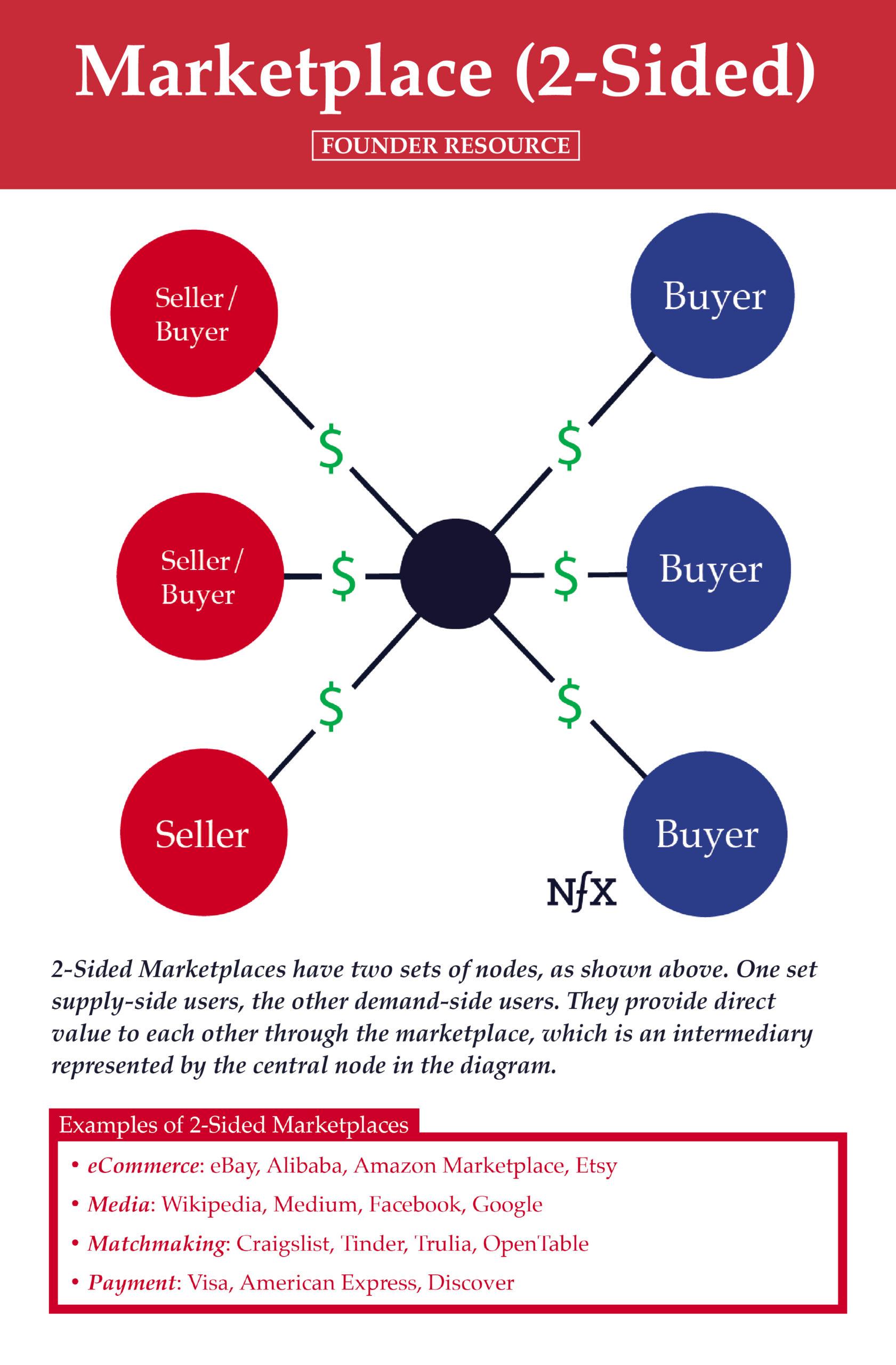
This meta-analysis examines the relationship between platform ecosystems and value co-creation in the digital economy by synthesizing 47 independent empirical research samples. The study reveals a significant positive overall correlation between platform ecosystems and value co-creation activities among innovation subjects. Analyzing specific platform ecosystem dimensions, the research finds that multi-party interaction, individual initiative, platform governance, and platform infrastructure all positively influence value co-creation, with individual initiative and platform infrastructure demonstrating particularly strong effects. The analysis further indicates that platform ecosystems correlate positively with both financial and non-financial value creation outcomes, though the non-financial dimensions show more pronounced correlations. Additionally, subject type and digital empowerment emerge as significant moderating factors affecting the relationship between platform ecosystems and value co-creation. These findings provide theoretical grounding for innovation subjects seeking to leverage platform ecosystem capabilities to enhance collaborative value creation in increasingly digital business environments.
Share on

SaaS Positioning Strategy: How to Decide Where You Win
piperocket.digital
Sept. 12, 2026, 7:07 a.m.
Most SaaS companies misdiagnose positioning problems as copywriting issues, attempting to fix flat homepages through headline rewrites rather than addressing the underlying strategic foundation. Positioning is the deliberate strategic choice that precedes all marketing execution—defining the category you compete in, identifying your ideal customer, and articulating why they should choose you over existing alternatives. This foundational decision directly influences everything downstream, from homepage copy to paid advertising, sales decks, and SEO strategy. Getting positioning right simplifies go-to-market efforts; getting it wrong scales confusion across all channels. SaaS positioning uniquely fails because buying committees typically involve six to ten decision-makers, each evaluating products through different criteria, and positions must survive secondhand explanation from champions to executives. Additionally, crowded SaaS categories feature competitors using nearly identical self-descriptions, rendering differentiation language ineffective without proper categorical framing. Buyers understand new products by first comparing them to something familiar, meaning successful positioning requires establishing a clear reference frame before articulating differentiators. PipeRocket Digital's guide distinguishes positioning as a strategic discipline separate from messaging, emphasizing that positioning must resonate across diverse stakeholder groups rather than appealing solely to individual users or technical evaluators.
Share on

3 vital questions to spur success in corporate innovation: The desire to win
www.edb.gov.sg
Sept. 4, 2026, 6:16 p.m.
Corporate innovation success requires three critical elements: strategic alignment, adaptive prioritization, and impact measurement. Organizations must continuously realign innovation initiatives with evolving business priorities, as demonstrated during the COVID-19 pandemic when corporate focus shifted from customer experience and digital marketing to product adaptation, partnership resilience, and talent management. Innovation leaders must remain connected to strategic shifts and actively manage their project portfolios accordingly. Additionally, many innovation teams fall prey to "innovation theatre," emphasizing vanity metrics like workshop counts or customer interviews rather than demonstrating tangible business value. Effective impact measurement requires metrics tailored to innovation type and development stage. Core innovations closer to existing business models can leverage established demand curves and cost structures for clear ROI calculation, while exploratory innovations require stage-gated processes with developmental metrics highlighting potential rather than traditional profitability measures. By implementing stage-appropriate metrics that prioritize actionable insights over conventional business measures, organizations can provide leadership with meaningful visibility into innovation initiatives and ensure sustained support for strategic innovation efforts.
Share on
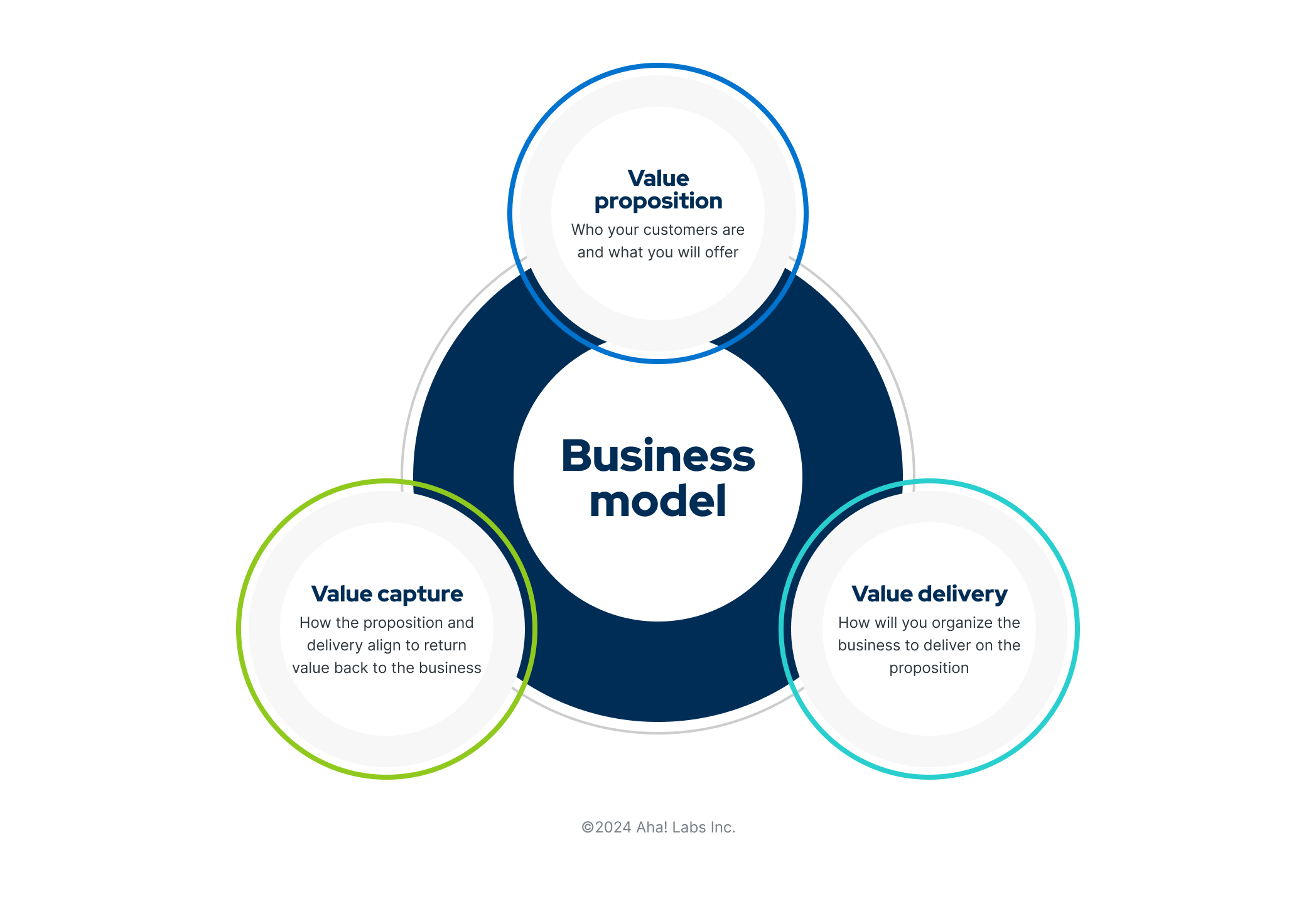
Product Decision Trade-Offs — Evaluate trade-offs in product decisions (features, quality, cost) using a target-customer lens.
www.varsitytutors.com
Sept. 4, 2026, 6:15 p.m.
Product trade-offs represent a fundamental challenge in product management, where firms must deliberately choose among competing attributes due to finite resources. Originating with Henry Ford's Model T strategy—offering one color to minimize cost and maximize production speed—this principle remains central to modern business. The article establishes a conceptual framework around three core dimensions: features (functional attributes and capabilities), quality (reliability, durability, and consistency), and cost (production expenses and customer pricing). These three elements form a trade-off triangle where optimizing one dimension inevitably constrains the others. The central thesis emphasizes that successful product decisions require a customer-centric lens, anchoring trade-off choices to the specific needs, willingness to pay, and pain points of the target customer segment. Rather than attempting to optimize every attribute simultaneously, effective product managers systematically evaluate these tensions using structured frameworks. The article underscores that product decisions are never made in isolation but are always constrained by organizational resources including engineering hours, manufacturing budgets, and managerial attention. Understanding and strategically navigating these trade-offs enables firms to maximize value delivery to their intended customer base.
Share on

Beyond the venture building silo: how Bosch, Arup and Toyota connect the dots - Global Venturing
globalventuring.com
Sept. 4, 2026, 6:15 p.m.
Corporate venture building has evolved from a trendy but often ineffective practice into a strategic discipline when properly integrated with equity investments and commercial partnerships. Bosch Business Innovations, Arup Ventures, and Toyota Ventures exemplify three distinct approaches to this integration. Bosch operates a dedicated venture-building department creating founder-led spinouts from internal R&D and intellectual property, positioning the practice explicitly for new markets rather than incremental innovation. Arup Ventures operates with minimal capital, emphasizing sweat equity while primarily working with external startups. Toyota Ventures focuses primarily on venture capital investment but occasionally supports spinouts, such as Walden Robotics, from its research laboratories. Despite their differing models, these organizations share critical lessons: defining venture building's strategic purpose clearly, ensuring it targets new market opportunities rather than incremental development, and establishing meaningful connections between venture-building initiatives and broader corporate venture activities. This alignment transforms venture building from an isolated innovation experiment into a sustained, value-generating corporate function capable of de-risking new opportunities and preparing organizations for future market demands.
Share on
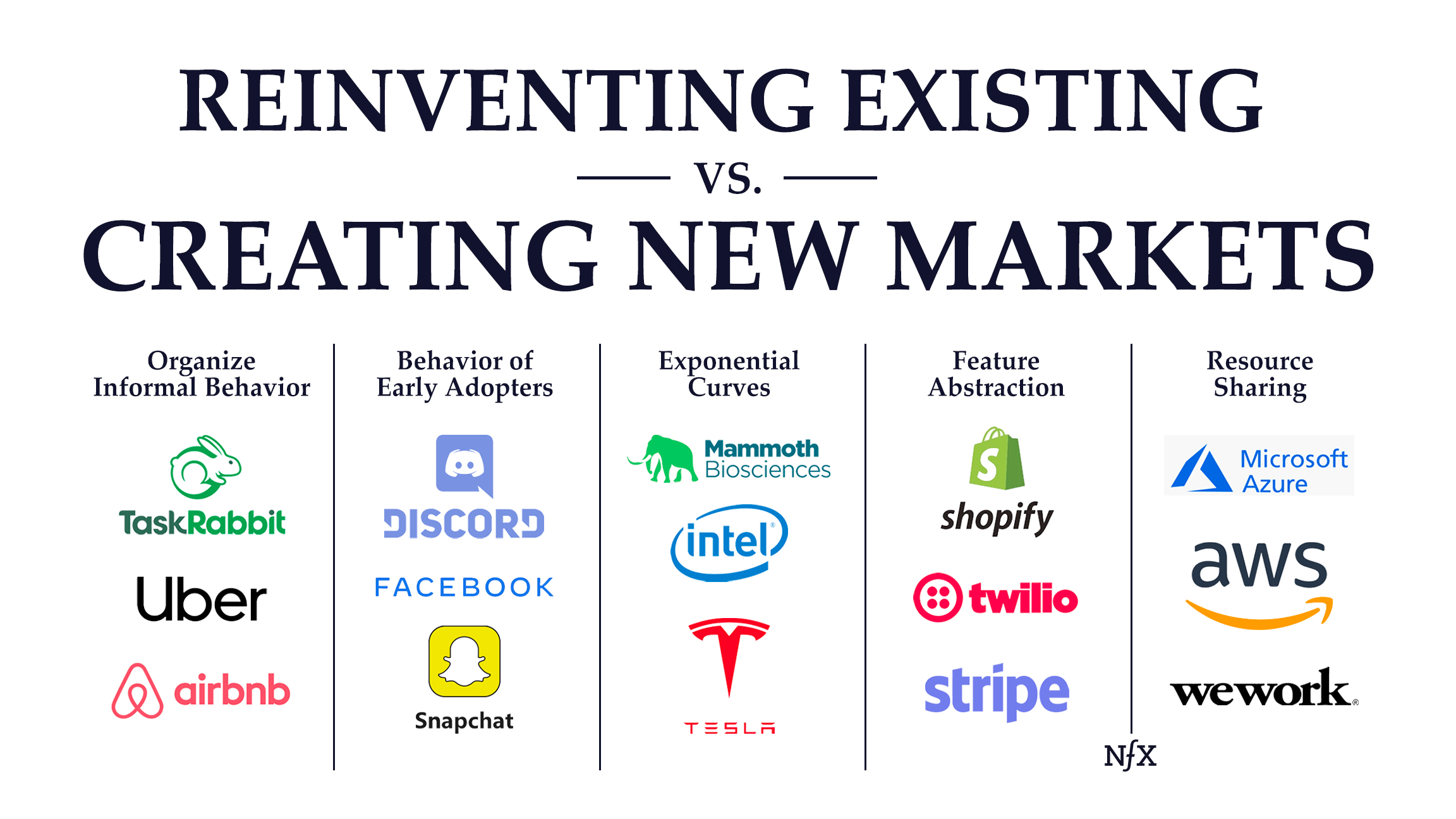
What Is Category Ownership?
petrichorgrowth.com
Sept. 4, 2026, 6:14 p.m.
Category Ownership represents a disciplined association between a company, a valuable problem, and a distinctive point of view that reshapes how buyers evaluate market alternatives. Petrichor Projects, in an updated methodology by Philipp Rimmler, uses Liquid Death as the defining case study to illustrate this concept. Although Liquid Death sells water—a commodity with established category signals like purity, wellness, and environmental positioning—the company fundamentally changed the decision frame by introducing humor, distinctive metal-inspired packaging, and anti-plastic values borrowed from entertainment and energy drink culture. Rather than competing on traditional hydration criteria, Liquid Death made packaging, cultural relevance, and environmental ethics central to buyer judgment. The article clarifies that Category Ownership requires companies to modify the decision system buyers use—encompassing the problem definition, alternatives, evaluation criteria, and expected outcomes. Critically, founders must first understand how buyers already compare options rather than declaring new categories unilaterally. True ownership emerges only when the market repeatedly adopts and reinforces the new frame, transforming the category from corporate theater into genuine buyer behavior. This approach matters because it demonstrates that category leadership depends less on product innovation than on strategically redefining competitive dynamics.
Share on
Zero to One Is Still Right. But the World Around It Has Changed.
medium.com
Aug. 15, 2026, 10:21 a.m.
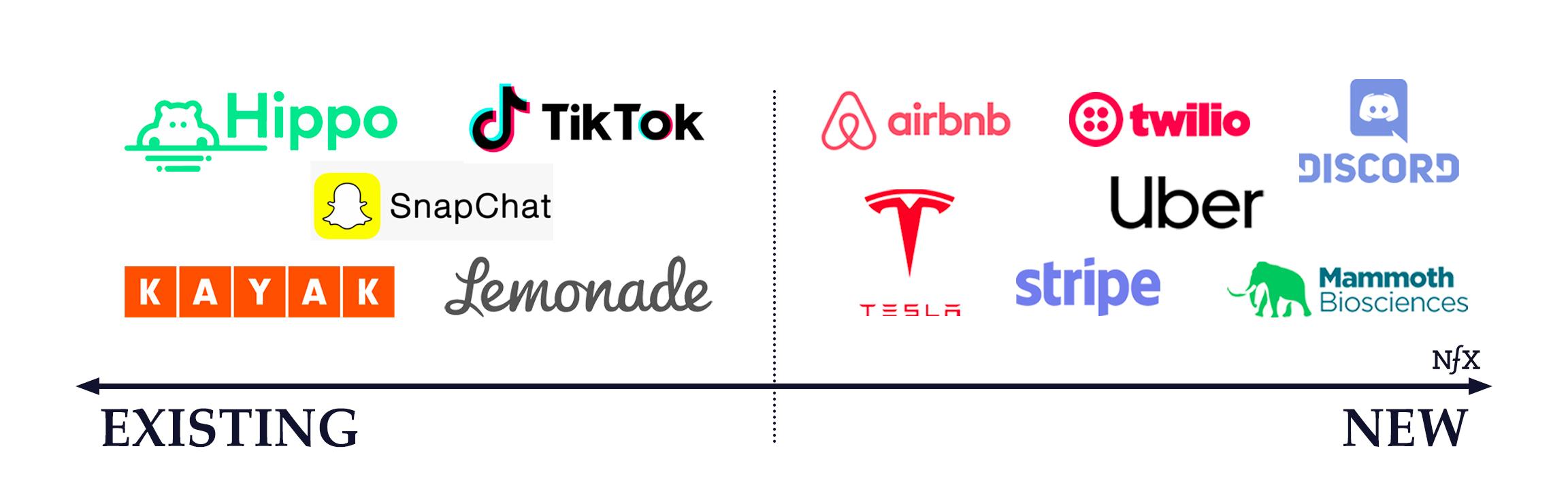
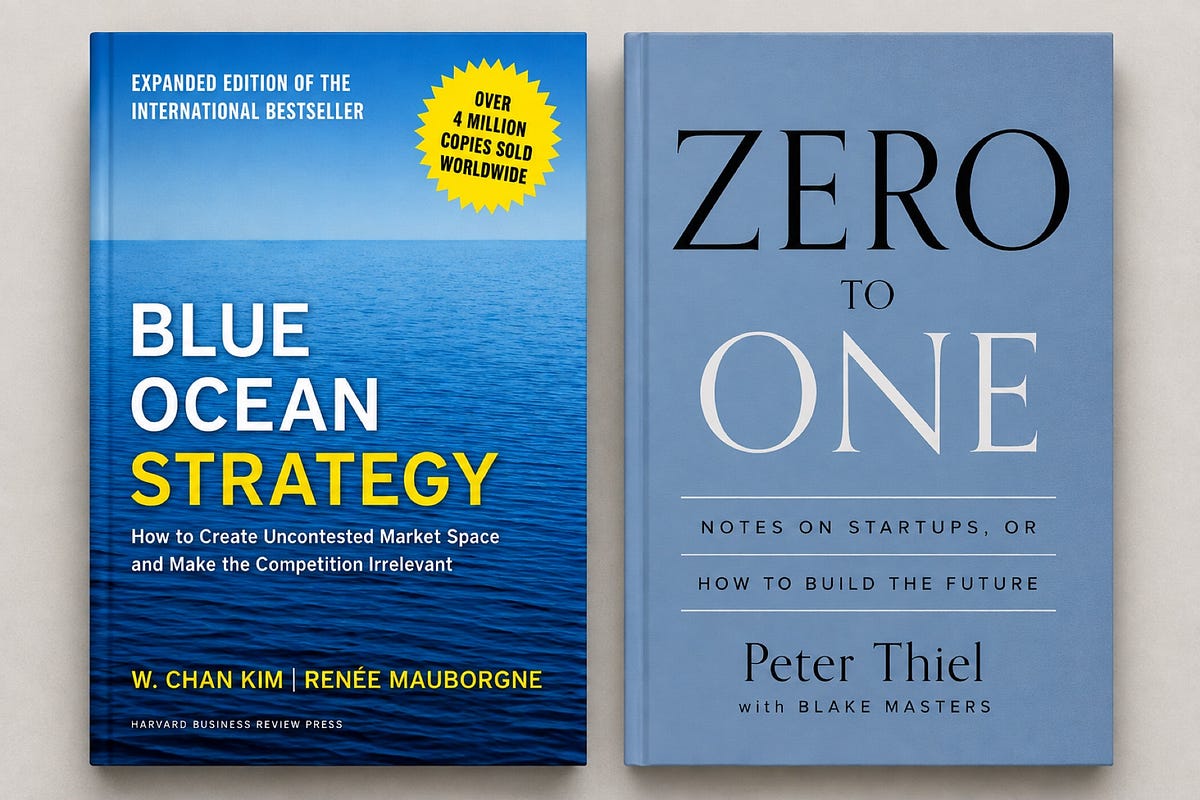
There are two business books that have probably influenced the way I think about entrepreneurship more than any others: Blue Ocean Strategy by W. Chan Kim and Renée Mauborgne, first published in 2005, and Peter Thiel’s Zero to One, published in 2014. They are different books written from different perspectives, but I have always seen a similar idea underneath both of them. Great companies should not spend their entire existence fighting over pieces of markets that already exist. They should try to create new value, find spaces where competition is weak or irrelevant, and eventually build a position that is difficult for others to challenge.
Share on

A Paradox Perspective on Business Model Innovation in Sustainability‐Oriented Industries: A Longitudinal Case Study in the Energy Sector
onlinelibrary.wiley.com
Aug. 15, 2026, 10:20 a.m.
This study examines how Business Model Innovation (BMI) unfolds in sustainability-oriented industries, where institutional complexity, technological interdependence, and environmental imperatives generate persistent sustainability-related paradoxical tensions. Drawing on a longitudinal case of a European system integrator in renewable energy and electric mobility, based on interviews and internal documentation, we trace how a strategic-level paradox propagates across organizational layers. The thematic coding analysis reveals the multilevel tensions shaping the case. By tracing how these tensions evolve over time, we identify a recurrent paradox-enactment process composed of paradox recognition and integrative framing. We show that the organizational locus of first recognition conditions how tensions are interpreted, which heuristics emerge, and whether enactment proceeds through top-down cascade or bottom-up escalation, with managerial agency and resource slack moderating the depth of the response. Critically, these dynamics condition BMI trajectories: Tensions governable within an existing value logic produce single-loop adjustments, while persistent misalignment triggers double-loop reframing of value creation, delivery, and capture. In doing so, we advance paradox theory by showing that BMI trajectories are tension-conditioned rather than purely opportunity-driven.
Share on
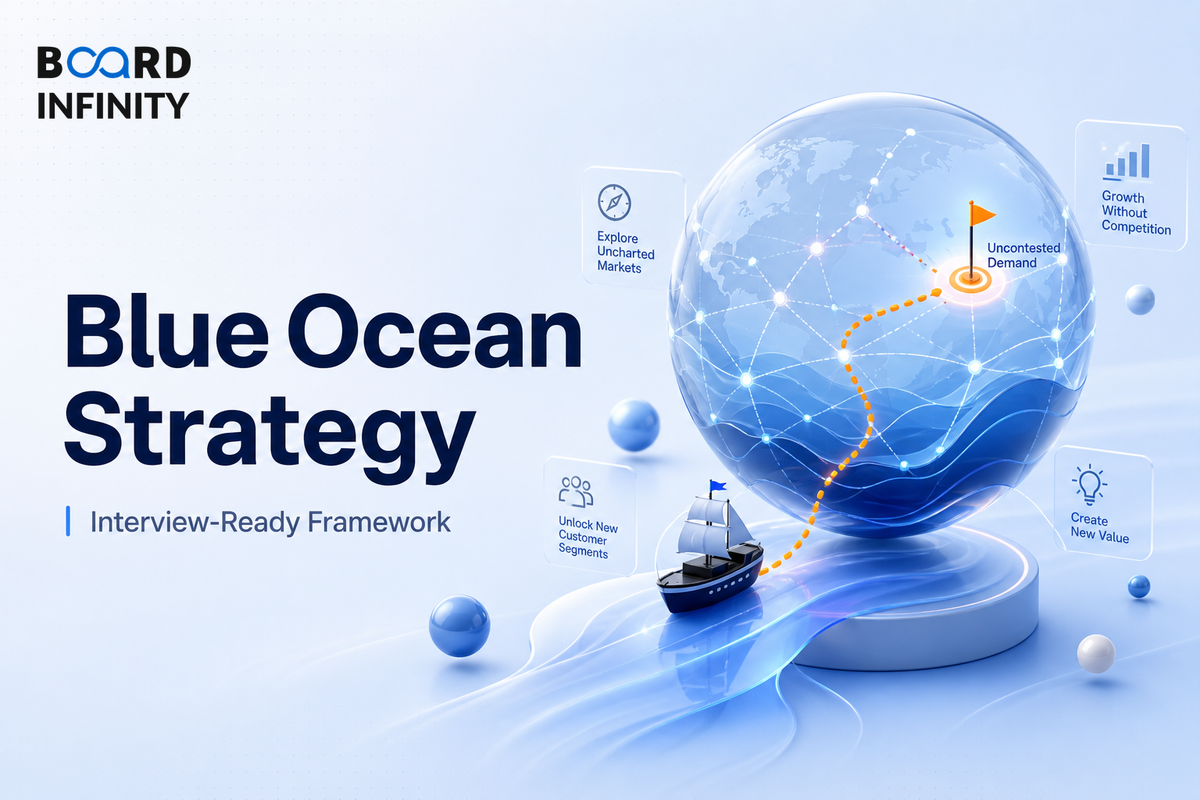
Blue Ocean Strategy & Category Creation: Interview-Ready Framework for Finding Uncontested Demand
www.boardinfinity.com
Aug. 15, 2026, 7:06 a.m.
Blue Ocean Strategy represents a fundamental shift from competing in existing markets toward creating entirely new ones. Rather than fighting competitors on established features, pricing, and channels—characteristics of crowded "red oceans"—companies pursuing blue ocean strategies unlock new demand by redefining what an industry competes on. The core mechanism, value innovation, simultaneously increases buyer value while reducing costs through strategic trade-offs using the Eliminate-Reduce-Raise-Create framework. Category creation, closely related but distinct, occurs when a company identifies a new problem, educates buyers on solving it differently, and becomes synonymous with that solution space. This requires deliberate language development and ecosystem building to establish a mental category in customers' minds, preventing default comparisons to older alternatives. The electric scooter sector illustrates this principle effectively. Ather Energy transformed Indian consumer perception of two-wheelers from purely cost-conscious purchases into sophisticated, connected urban mobility solutions. Rather than asking whether electric scooters were cheaper than petrol alternatives, buyers now evaluate charging infrastructure, software capabilities, design aesthetics, and alignment with future transportation trends. Early category creators should measure adoption of the new value curve and economic sustainability, not merely sales volume.
Share on

How to Design for Emerging Markets
tuck.dartmouth.edu
Aug. 15, 2026, 7:06 a.m.
Vijay Govindarajan, the Coxe Distinguished Professor of Management at Tuck School of Business, has dedicated his career to addressing challenges in developing nations. Drawing from his childhood in lower-middle-class India, where resourcefulness trumped financial resources, Govindarajan applied innovation principles at scale when he became GE's chief innovation consultant in 2008. He helped design a low-cost, high-performance electrocardiogram machine for the Indian market, then adapted it for 200 additional countries using reverse innovation principles detailed in his 2012 bestseller. His latest book, Global By Design, co-authored with MIT engineering professor Amos Winter, integrates engineering and business strategy to guide firms in designing for emerging markets. The collaboration emerged when Winter shared his experience creating an ultra-low-cost, high-performance wheelchair in Africa and subsequently introducing it to the U.S. market. As India and China's consumer bases expand beyond their wealthiest segments, multinationals must fundamentally rethink strategy, creating high-performance products at ultra-low costs rather than simply stripping features from developed-market products. This approach enables companies to achieve the dual objective of generating profit while creating meaningful social impact.
Share on

Business Innovation Strategies for a Competitive Advantage - Lettercrafted
lettercrafted.com
Aug. 8, 2026, 7:06 a.m.
Markets continually shift through changing customer expectations, technological advancement, and competitive disruption, rendering organizations reliant solely on historical strengths vulnerable to obsolescence. Effective business innovation strategies enable companies to create new value, enhance operational efficiency, and establish defensible competitive advantages. Innovation extends beyond product development to encompass pricing, distribution, customer experience, partnerships, service design, internal processes, and business model restructuring. The most impactful innovations often involve simple friction-reduction changes that lower costs or improve adoption rates. However, converting innovation from occasional creative exercise into a systematic management process requires alignment with strategic objectives, customer evidence, organizational capabilities, financial viability, and measurable outcomes. This comprehensive guide addresses practical innovation strategies including customer discovery, differentiation, business-model design, experimentation, portfolio management, AI and automation integration, ecosystem partnerships, organizational culture, governance structures, performance metrics, and scaling approaches. True competitive advantage emerges when organizations deliver value in distinctly attractive, efficient, or difficult-to-replicate ways. Successful innovation strategies prioritize authentic customer needs and pain points over internal technological enthusiasm, implementing coordinated systems integrating data, processes, relationships, brand trust, and operational expertise that competitors cannot quickly duplicate.
Share on

Sustainability’s next test is creating new sources of value - Sustainable Views
www.sustainableviews.com
Aug. 8, 2026, 7:06 a.m.
Alastair Colin-Jones, executive director of Mutual Value Labs, argues that organizational success in sustainability depends on strategic integration rather than operational optimization alone. The article emphasizes that leading companies will leverage sustainability as a driver of innovation and long-term strategy formulation, not merely as a mechanism to improve efficiency or reduce environmental impact within existing business models. This perspective represents a fundamental shift in how enterprises approach corporate sustainability, moving beyond compliance and incremental improvements toward transformative value creation. The piece underscores that sustainability's next frontier involves identifying and developing entirely new sources of value that align environmental and social objectives with business growth. By positioning sustainability at the strategic core rather than the periphery of organizational planning, companies can unlock competitive advantages and create meaningful stakeholder value while addressing pressing global challenges.
Share on

Value creation and value capture in the smart hardware platform: a case study of Huawei and Xiaomi
link.springer.com
Aug. 8, 2026, 7:05 a.m.
This open access research article, published in July 2026 in the Journal of Digital Management, examines value creation and value capture mechanisms within smart hardware platforms through a comparative case study of two leading Chinese technology companies: Huawei and Xiaomi. The study investigates how these firms generate economic value in their hardware ecosystems and the strategies they employ to capture that value within competitive markets. By analyzing the business models, product strategies, and platform integration approaches of both companies, the research provides insights into the dynamics of smart hardware platform economics. The findings are significant for understanding how technology companies leverage interconnected device ecosystems to establish competitive advantages and maintain profitability. This work contributes to broader academic discussions on platform economy dynamics and offers practical implications for companies developing smart hardware strategies in an increasingly connected technological landscape where ecosystem integration has become crucial for market success.
Share on

Strategic Engineering Leadership: Applying Blue Ocean Strategy
www.empoweringengineers.uk
Aug. 8, 2026, 7:05 a.m.
Empowering Engineers UK promotes the Blue Ocean Strategy Framework as a solution to help engineering professionals overcome competitive pressures in crowded markets. Rather than competing in "Red Oceans" where firms battle over identical specifications and thin margins, the Blue Ocean Strategy advocates for Value Innovation—simultaneously reducing operational costs while creating new features clients genuinely value. This approach aligns with UK-SPEC guidelines for professional registration, specifically Competences C and E, which require demonstrating advanced commercial leadership and continuous improvement. The strategy employs the Four Actions Framework or ERRC Grid (Eliminate, Reduce, Raise, Create) to systematically challenge industry conventions. For engineers pursuing Chartered Engineer (CEng), Incorporated Engineer (IEng), or Engineering Technician (EngTech) credentials, completing an ERRC Grid provides evidence of executive-level thinking for Professional Review Interview panels. The platform operates with strict privacy protections, storing all grid data locally in the browser rather than transmitting to external servers, ensuring compliance with confidentiality requirements while supporting professional development in modern engineering management.
Share on

The Reinvention Premium ... the most powerful source of value
www.peterfisk.com
Aug. 8, 2026, 7:04 a.m.
# Professional Summary
The article examines how corporate value creation is fundamentally shifting from operational excellence to strategic reinvention. Historically, companies like Toyota, Walmart, P&G, and General Electric built sustainable competitive advantage through improvement and optimization of existing business models. However, this traditional formula is becoming insufficient in an era of accelerating technological and societal disruption. Artificial intelligence, biotechnology, climate technologies, and demographic shifts are rapidly redefining industries and consumer expectations, often from outside traditional sector boundaries. The critical challenge for contemporary CEOs is ensuring business relevance amid unprecedented change. The article argues that the stock market increasingly rewards not just current performance but future possibility—investors seek companies capable of creating entirely new futures rather than simply maximizing existing ones. This distinction between operational performance and strategic possibility explains why companies with comparable execution levels receive vastly different valuations. The greatest value creators of the coming decade will master reinvention rather than merely manage change effectively. Microsoft is cited as a compelling example of this paradigm shift, suggesting that competitive advantage now derives from an organization's demonstrated capacity for transformation and strategic evolution.
Share on

Value Innovation
thinkinsights.net
Aug. 1, 2026, 1:11 p.m.
Value innovation strategy is based on the simultaneous pursuit of differentiation and low cost. It is an and-and, not an either-or strategy. It is different from competitive strategy, which is based on cost leadership, differentiation and focus strategy. Value innovation strategy seeks to break the value-cost trade off by eliminating and reducing factors an industry competes on and raising and creating factors the industry has never offered.
Share on