
THE IMPACT OF GREEN FINANCE AND TECHNOLOGICAL INNOVATION ON SUSTAINABLE GROWTH: THE MODERATING ROLE OF INSTITUTIONAL QUALITY
economicsrs.com
Sept. 23, 2026, 1:05 p.m.
A comprehensive empirical study examining 86 countries—40 developed and 46 developing—from 2010 to 2024 reveals critical insights into how green finance and technological innovation drive sustainable growth. Using advanced econometric techniques including pooled ordinary least squares regression, fixed effects models, random effects models, and generalized method of moments estimation to account for endogeneity, researchers found that technological innovation consistently contributes positively to sustainable growth, particularly in developing nations. However, green finance demonstrates counterintuitive short-term negative effects on sustainable growth, suggesting implementation challenges during transition periods. Institutional quality emerges as a crucial moderating factor that significantly enhances the effectiveness of both green finance and technological innovation. These findings underscore that countries must prioritize strengthening institutional frameworks and improving resource allocation efficiency alongside supporting technological advancement to fully realize green finance benefits during the transition toward sustainable economic growth.
Share on

Next-generation nanomedicine for cancer therapy: advances, challenges, and future perspectives
www.frontiersin.org
Sept. 23, 2026, 1:05 p.m.
Nanomedicine has emerged as a transformative approach to cancer diagnosis and therapy by leveraging nanotechnology to overcome limitations of conventional treatments. Researchers from Assam University present a comprehensive review examining how tuning nanoparticle properties—including size, morphology, and surface charge—enables controlled targeted drug delivery, improved cellular uptake, and therapeutic release. The review systematically discusses advances across polymeric, lipid-based, inorganic, biological, and hybrid nanocarriers, emphasizing surface engineering, ligand-mediated targeting, and multifunctional delivery systems. These platforms address critical challenges including poor aqueous solubility, unfavorable pharmacokinetics, systemic toxicity, and drug resistance associated with traditional therapies. However, significant hurdles persist regarding tumor-specific accumulation, intratumoral heterogeneity, and long-term outcomes. The authors address major translational obstacles including large-scale fabrication, reproducibility, safety concerns, and regulatory barriers. Emerging strategies highlighted include personalized nanomedicine, combination therapies, and artificial intelligence-assisted nanoparticle design, positioning next-generation nanomedicine as essential to advancing safer, more effective, and patient-centered cancer treatment approaches.
Share on
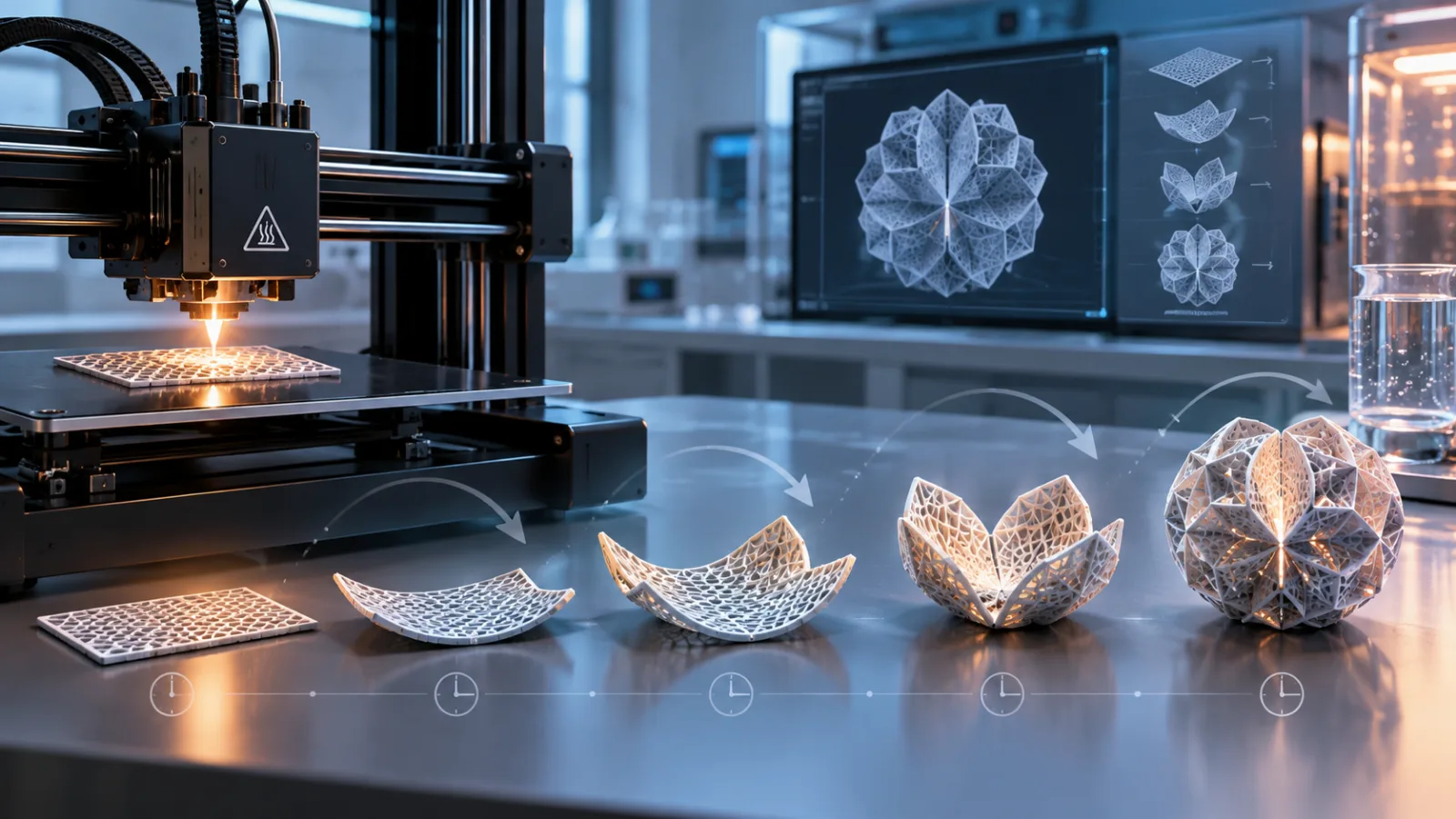
From 3D Printing to 4D Printing: What Is 4D Printing and Will It Reach Our Homes?
3dhaber.com
Sept. 23, 2026, 1:04 p.m.
Four-dimensional printing represents an evolution of traditional 3D printing where the "fourth dimension" refers to time-dependent shape transformation. Unlike conventional 3D printing, which produces static objects through layer-by-layer material deposition, 4D printing creates structures capable of changing shape, function, or properties over time when exposed to specific environmental stimuli such as heat, moisture, or light. This capability is enabled by smart materials, shape-memory polymers, and programmable structures that have advanced significantly in recent years. A 4D-printed object might transform from a flat strip into a ring when exposed to hot water, for instance, either permanently or reversibly depending on material properties. While 4D printing has been under research for years, recent breakthroughs in smart materials engineering have elevated it into a serious industrial field. The technology holds potential implications for consumer applications and home use, though practical adoption for desktop 3D printers remains in development stages as researchers refine materials and printing techniques to make the technology more accessible and functional for widespread implementation.
Share on
Smart Biomaterials for Targeted Delivery and Regenerative Medicine: Biocompatibility, Immunological and Toxicological Perspectives
www.frontiersin.org
Sept. 23, 2026, 1:04 p.m.
Nanotechnology is revolutionizing precision medicine through advanced smart biomaterials, including engineered extracellular vesicles, stimuli-responsive hydrogels, and intelligent implant materials that address limitations of conventional therapies such as poor targeting and systemic toxicity. However, translation of these innovative platforms from laboratory success to clinical deployment is frequently hindered not by insufficient efficacy, but rather by inadequate characterization of biological interactions and safety profiles. Current toxicity, immunogenicity, and biocompatibility assessments often lack rigor and fail to account for critical variables including sex, age, and exposure route that significantly influence biological outcomes. This Research Topic seeks multidisciplinary contributions that maintain smart biomaterials for targeted delivery and regenerative medicine as central focus while mandating comprehensive biological safety evaluation alongside material design. The initiative aims to showcase innovative platforms with complete structure–property–function and biocompatibility data necessary to evaluate translational readiness, from nanoscale delivery systems to functional biomedical materials. Contributions addressing Sustainable Development Goals three, nine, and twelve are particularly welcomed, encompassing biocompatibility evaluation, nanozymes design, and functional hydrogels while excluding clinical trials, drug discovery, and bibliometric analyses.
Share on

AI Has Started Improving Itself
sebastianbarros.substack.com
Sept. 21, 2026, 2:20 p.m.
For years, recursive self-improvement, or RSI, was mostly something we talked about as a future threshold. The concept is that AI helps create a better AI; that better AI becomes better at improving AI, and eventually you have a feedback loop where the machine starts contributing materially to the creation of its own successors.
Altough we are not at the final version of that loop yet, but over the last 18 months, something important has changed. AI systems have begun improving the persistent parts of the machinery they use to solve problems.
Share on
NIR-II conjugated polymers for tumor sonodynamic therapy
link.springer.com
Sept. 19, 2026, 4:04 a.m.
# Summary
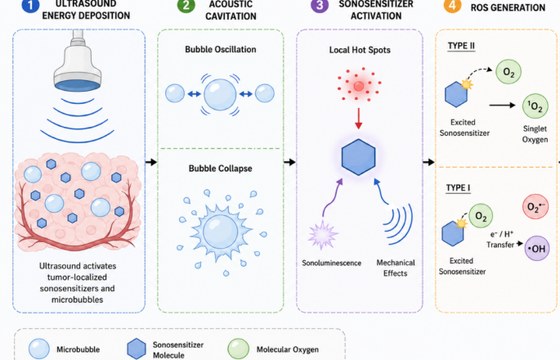
Researchers have developed NIR-II (near-infrared region II) conjugated polymers as innovative therapeutic agents for tumor sonodynamic therapy. This approach represents a significant advancement in cancer treatment by combining two emerging technologies: near-infrared photoacoustic imaging and ultrasound-activated therapy. NIR-II conjugated polymers possess unique optical and acoustic properties that enable them to accumulate in tumor tissues and generate reactive oxygen species when exposed to ultrasound, effectively destroying cancer cells while minimizing damage to healthy surrounding tissue. The polymers' extended near-infrared absorption allows for deeper tissue penetration compared to traditional visible-light therapies, improving treatment efficacy. This research matters because sonodynamic therapy offers a non-invasive alternative to conventional cancer treatments with potentially fewer side effects. The development of these specialized polymers enhances treatment precision and therapeutic outcomes, opening new possibilities for personalized cancer care and potentially addressing limitations of existing chemotherapy and radiation approaches in oncology.
Share on
3D Bioprinting of Patient-Specific Tendon/Ligament Grafts: Biomechanical Challenges and Clinical Translation (BJSTR)
biomedres.us
Sept. 19, 2026, 4:03 a.m.
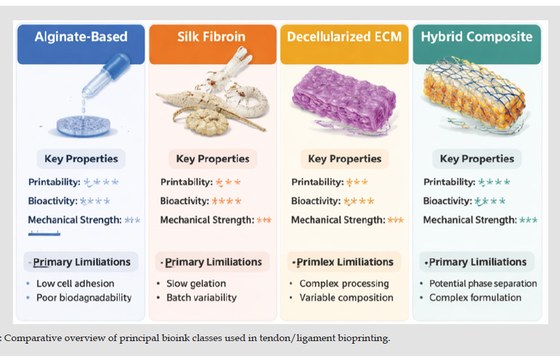
Three-dimensional bioprinting represents a transformative approach to treating musculoskeletal injuries affecting tendons and ligaments, which currently present significant clinical challenges due to slow healing rates and complex multilayered tissue architecture. Traditional repair methods such as autografts and allografts suffer from donor site morbidity, limited availability, and potential immunological rejection. The emerging 3D bioprinting technology enables the creation of patient-specific grafts that accurately replicate the anatomical and physiological characteristics of injured sites. Researchers are developing advanced bioinks combining decellularized extracellular matrix (dECM) and synthetic polymers to engineer constructs that promote regenerative rather than merely reparative healing. However, significant challenges remain, including replicating the mechanical anisotropy of natural tissues, ensuring seamless integration at the tendon-bone interface (enthesis), and navigating complex regulatory pathways toward clinical implementation. Given that approximately 200,000 anterior cruciate ligament (ACL) injuries occur annually in the United States alone, developing effective repair strategies is critical. This comprehensive review examines bioink development, multiscale scaffold design, biomechanical considerations, and translational challenges while providing a roadmap for advancing laboratory prototypes into clinically viable next-generation implants that will enhance musculoskeletal care standards.
Share on

Adversarial Fashion Makes a Statement on AI Panopticon
spectrum.ieee.org
Sept. 19, 2026, 4:03 a.m.
The proliferation of AI-powered surveillance cameras has sparked significant public concern over facial recognition, license plate readers, and data privacy. In response, a creative resistance movement is emerging through adversarial fashion and technological countermeasures. Cybersecurity expert Bill Swearingen developed a Python-based fuzzer in 2025 that targets YOLO, a popular object detection framework, generating adversarial patterns tested against eleven different computer vision models. These colorful geometric designs successfully reduce detection confidence scores across facial recognition, face recognition, and people detection systems. Companies like Cap_able and Urban Privacy are commercializing this technology, producing garments with patented jacquard-knit patterns that interfere with convolutional neural networks, potentially causing systems to misclassify wearers as animals or objects. Cap_able founder Rachele Didero emphasizes using these visible, tangible items to address the intangible threat of surveillance. Additionally, the DeFlock project maps automated license plate readers while others present alternatives like the noRecognition initiative at DEF CON. These efforts reflect growing recognition that privacy constitutes a fundamental human right requiring active protection against increasingly invasive surveillance infrastructure.
Share on
4D printing: The Nexus of smart materials, manufacturing processes, and industrial innovation
link.springer.com
Sept. 19, 2026, 4:03 a.m.
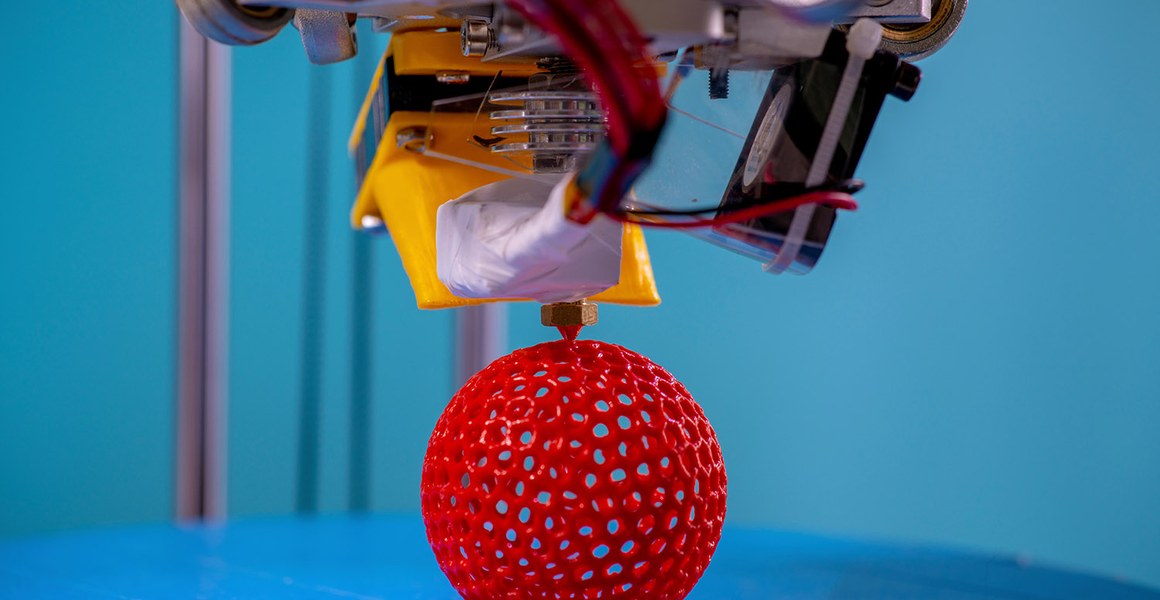
Four-dimensional printing represents an emerging frontier in additive manufacturing by integrating smart materials with traditional 3D printing technologies to create structures that can dynamically transform over time in response to environmental stimuli. This review, published in August 2026 in the Bulletin of Materials Science, examines the convergence of smart materials, advanced manufacturing processes, and industrial applications driving this innovation. The article synthesizes current research on stimulus-responsive polymers, shape-memory alloys, and hydrogels used in 4D printing, alongside manufacturing techniques enabling precise material deposition and programmable geometry changes. Key applications span aerospace, biomedics, and consumer electronics, where adaptive structures offer significant advantages. The significance of 4D printing lies in its potential to revolutionize product design by enabling self-assembly, autonomous repair, and environmental responsiveness without mechanical actuation. This technology promises substantial cost reductions in manufacturing complex adaptive systems while addressing sustainability concerns through reduced waste and extended product lifecycles, positioning it as a transformative force in next-generation manufacturing.
Share on
3D bioprinting technologies: Current applications and emerging trends
www.accscience.com
Sept. 16, 2026, 1:04 p.m.
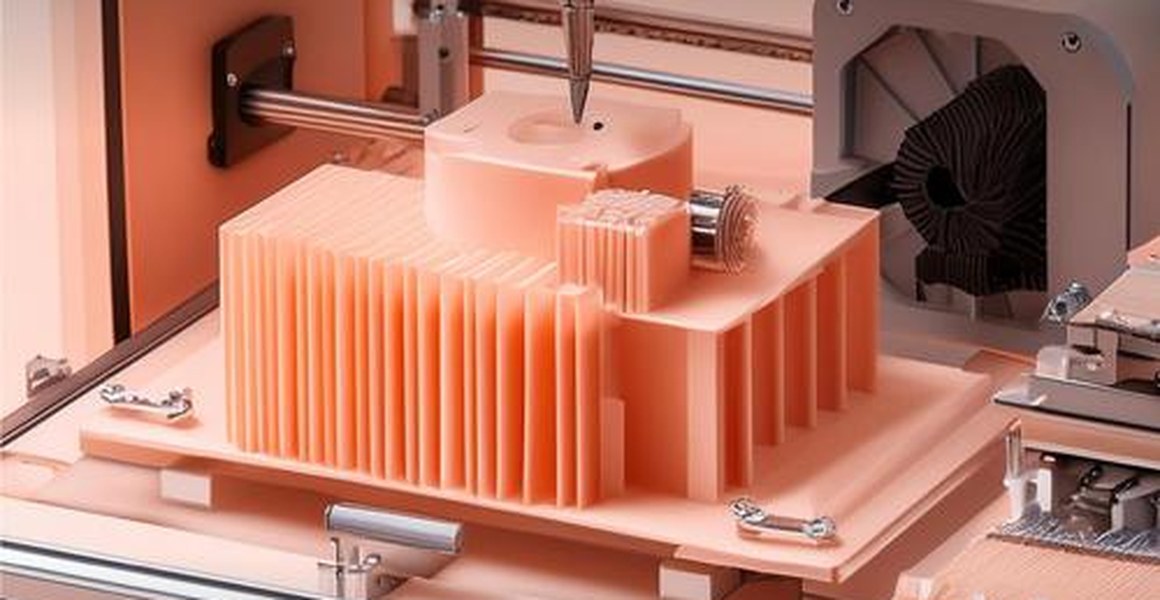
Three-dimensional bioprinting has emerged as a transformative technology in tissue engineering and regenerative medicine, with significant advances in recent years. This comprehensive review examines the critical interface between bioprinting deposition mechanisms—including inkjet, laser-assisted, vat-polymerization, and extrusion-based systems—and bioink chemistry. The analysis reveals fundamental trade-offs inherent to the field: resolution versus construct size, printability versus biological functionality, and scalability versus cell viability. Natural, synthetic, and hybrid bioinks are evaluated for their physicochemical properties and capacity to direct cell fate in neural, vascular, and musculoskeletal applications. Key translational barriers are identified, including immunogenicity, foreign body responses, batch-to-batch variability, and the absence of standardized Good Manufacturing Practice–compliant workflows. To advance clinical translation, the review prioritizes stimuli-responsive bioinks, real-time monitoring integration, artificial intelligence–assisted design optimization, and multi-material bioprinting capabilities. These developments are essential for transforming laboratory innovations into reproducible, clinically viable tissue constructs suitable for therapeutic applications.
Share on
Frontiers | The interactions between antimicrobial materials and bacterial membranes
www.frontiersin.org
Sept. 16, 2026, 1:04 p.m.
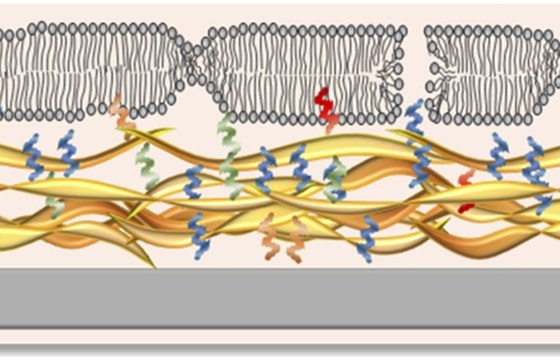
Microbial contamination and antimicrobial resistance pose escalating threats to global health, food safety, and clinical settings. Researchers at Monash University have conducted a comprehensive review examining antimicrobial materials designed to combat resistant microorganisms. The study focuses on antimicrobial peptides (AMPs), which function as the immune system's first defense by binding to and disrupting bacterial cell membranes. The researchers explored polymer-based antimicrobial materials that either mimic the cationic properties of AMPs or have AMPs grafted onto polymer templates, with these materials operating through membrane disruption mechanisms. Given that antibiotic resistance is increasing at alarming rates and at least nineteen alternative agents are currently in development pipelines, antimicrobial materials represent a promising avenue for managing contamination in healthcare, agricultural, and veterinary environments. This review synthesizes existing knowledge on molecular mechanisms of action, providing a timely assessment of how these innovative materials can effectively address the growing challenge of multi-drug resistant bacterial infections and support global health security.
Share on
Olfactory-Interactive 4D materials from a carvone-based photocurable resin
www.tandfonline.com
Sept. 12, 2026, 9 a.m.
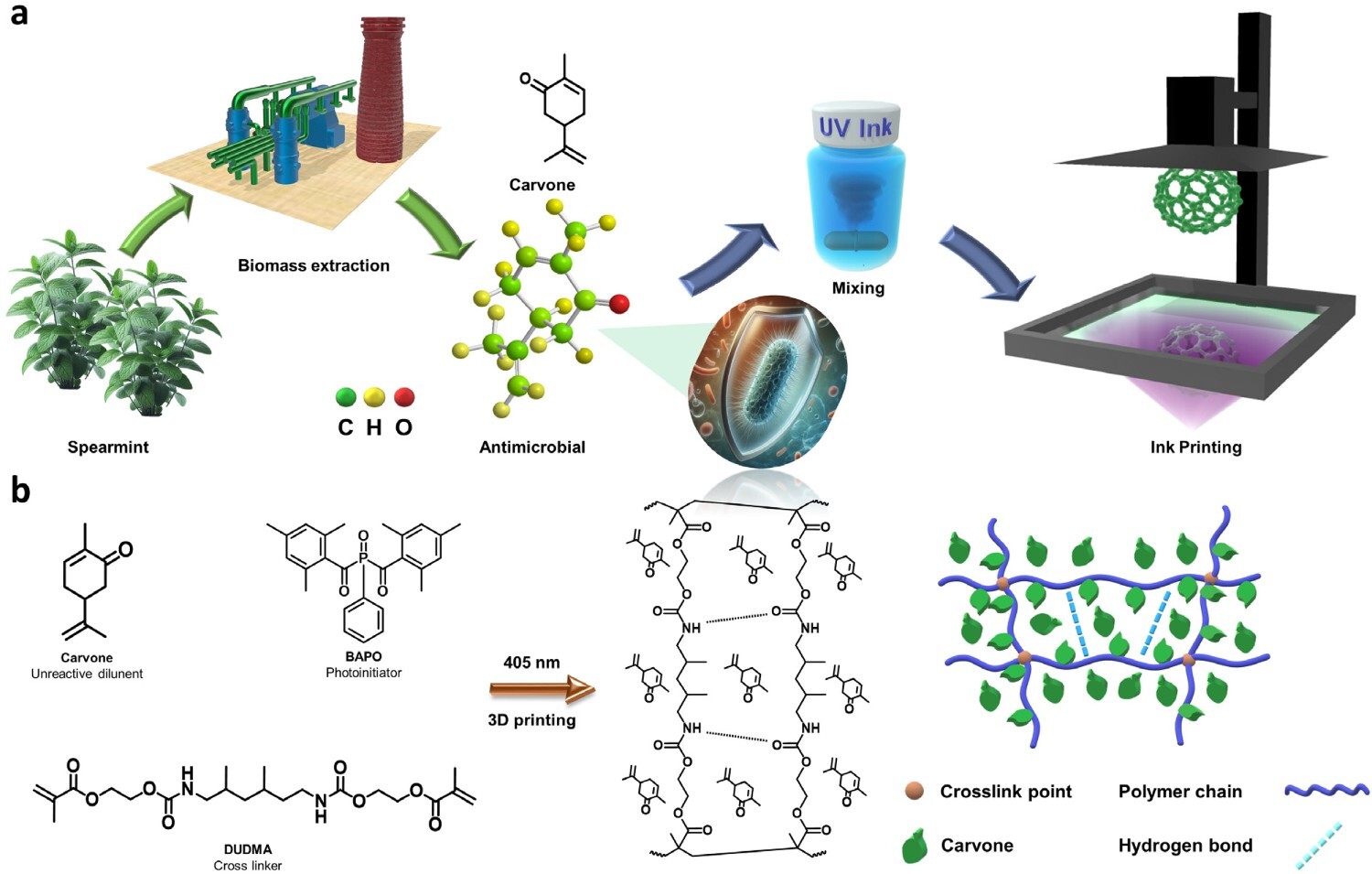
The development of 4D materials has expanded adaptive manufacturing; however, most systems are limited to passive shape changes and lack interactive sensory functions. Here, we present an olfactory-responsive 4D material with integrated antimicrobial activity. The material exhibits shape-memory behaviour under external stimuli and releases aromatic compounds upon heating, enabling multisensory interaction. A photocurable resin was formulated using carvone, a naturally derived monoterpene from spearmint, as a nonreactive diluent, together with diurethane dimethacrylate (DUDMA) and phenylbis(2,4,6-trimethylbenzoyl)phosphine oxide (BAPO). Containing up to 25% renewable content, the formulation provides a sustainable alternative to conventional petroleum-based systems.
Share on

Crowdfunding for business: how it works and the best platforms in 2026
www.nav.com
Sept. 12, 2026, 4:06 a.m.
Business crowdfunding enables entrepreneurs to raise capital from numerous individual backers through online platforms, with each contributor providing modest amounts during time-limited campaigns. This approach offers an alternative to traditional financing, venture capital, and angel investors, allowing founders to retain greater control. The modern crowdfunding landscape emerged with Kickstarter and Indiegogo launching in 2008-2009, pioneering rewards-based models where backers receive perks like early product access. The 2012 JOBS Act legalized equity-based crowdfunding, enabling businesses to sell ownership stakes to everyday investors, with the SEC's Regulation Crowdfunding framework taking effect in 2016. Campaigns typically run 30 to 60 days and involve four funding models: rewards-based, equity-based, donation-based, and debt-based financing. Platforms employ either all-or-nothing or flexible funding structures, with typical fees comprising approximately five percent platform fees and three percent payment processing charges. Understanding these mechanisms and associated costs is essential for business owners evaluating crowdfunding as a capital-raising strategy in the evolving 2026 marketplace.
Share on
Exosomes vs Liposomes: Comparing Drug Delivery Vehicles
www.cellgs.com
Sept. 12, 2026, 4:06 a.m.
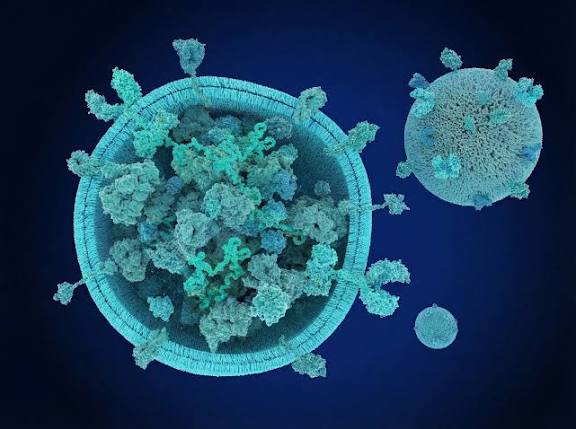
Exosomes and liposomes represent two distinct approaches to drug delivery, each occupying different positions in therapeutic development. While structurally similar—both spherical, lipid bilayer-enclosed nanoparticles carrying aqueous payloads—they differ fundamentally in their nature. Liposomes are a fifty-year-old, clinically approved technology assembled from defined components like hydrogenated soy phosphatidylcholine, cholesterol, and PEGylated lipids, offering complete compositional control and reproducibility. Exosomes, conversely, are naturally secreted extracellular vesicles produced through endosomal budding, inheriting their composition from parent cell biology with enriched cholesterol, sphingomyelin, phosphatidylserine, and surface proteins like tetraspanins. The critical distinction lies in their design philosophy: liposomes are engineered systems requiring deliberate addition of desirable properties, while exosomes are biomimetic platforms arriving with inherent biological characteristics. Selecting between them depends on specific therapeutic requirements across multiple criteria including cargo loading, targeting capabilities, immune handling, manufacturability, analytical control, and regulatory precedent, rather than determining which is intrinsically superior.
Share on
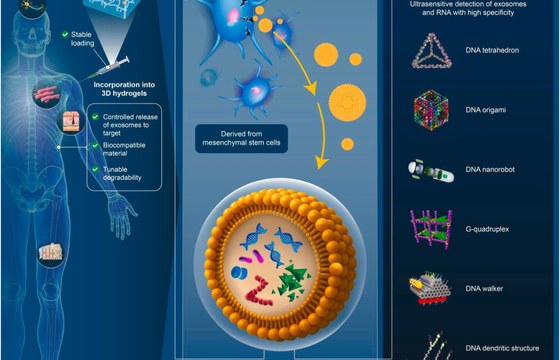
Exosome trafficking, delivery, and detection, harnessed via 3D hydrogels and 3D DNA nanotechnologies
www.sciencedirect.com
Sept. 9, 2026, 5:25 p.m.
3D hydrogels extend exosome retention and enable sustained local release. Programmable 3D DNA nanostructures capture exosomes and amplify signals. This review unifies hydrogel delivery and 3D DNA detection strategies. Translation requires scalable manufacturing, biosafety, and clinical validation.
Share on

Federated learning framework detects time series anomalies while preserving privacy
bioengineer.org
Sept. 9, 2026, 1:07 p.m.
Researchers from Beijing University of Posts and Telecommunications and the Beijing Electronic Science and Technology Institute have developed FAPAD, a federated learning framework for privacy-preserving anomaly detection in multivariate time-series data. Published in the journal Cybersecurity, the framework addresses a critical challenge in modern connected systems: detecting anomalies in sensitive data streams from medical devices, industrial sensors, and smart city infrastructure without exposing raw information to centralized cloud servers. Traditional anomaly detection requires transmitting sensitive data to central locations, creating privacy vulnerabilities that regulators and security professionals increasingly oppose. FAPAD coordinates edge devices, cloud servers, and machine learning models while implementing mathematical defenses against adversarial attacks. The research team, led by Kejun Zhang and Xinying Yu, emphasizes the stakes are particularly high in healthcare surveillance, where physiological anomalies could reveal specific diseases, and unauthorized access could enable discrimination or extortion. By enabling accurate anomaly detection while maintaining local data privacy, FAPAD offers a practical solution to this fundamental tension in modern connected systems monitoring.
Share on

The Innovation Blindspot
www.imf.org
Sept. 9, 2026, 1:07 p.m.
The International Monetary Fund challenges the prevailing binary narrative that frames global technological innovation as a zero-sum competition exclusively between the United States and China. While discussions of artificial intelligence, electric vehicles, biotechnology, and renewable energy typically focus on these two superpowers' rivalry for dominance, this framing obscures valuable alternative innovation models elsewhere. The analysis argues that reframing technology competition as a contest between different systems rather than different countries—similar to how the Cold War examined capitalism versus communism—offers deeper insights. The conventional distinction between market-oriented and state-led approaches misrepresents China's tech sector reality. Major Chinese companies like Alibaba, Tencent, and ByteDance are not primarily state creations but rather succeeded by adopting Silicon Valley's playbook, utilizing American-style venture capital, legal infrastructure, and stock option structures. This suggests the US-China tech competition represents different intensities of the same market-driven model rather than fundamentally opposing systems. Understanding this nuance and examining innovation approaches beyond these two countries can expand knowledge of technological progress possibilities and improve global innovation strategies.
Share on
Broadband circularly polarized thermal radiation from magnetic Weyl semimetals
arxiv.org
Sept. 9, 2026, 1:07 p.m.
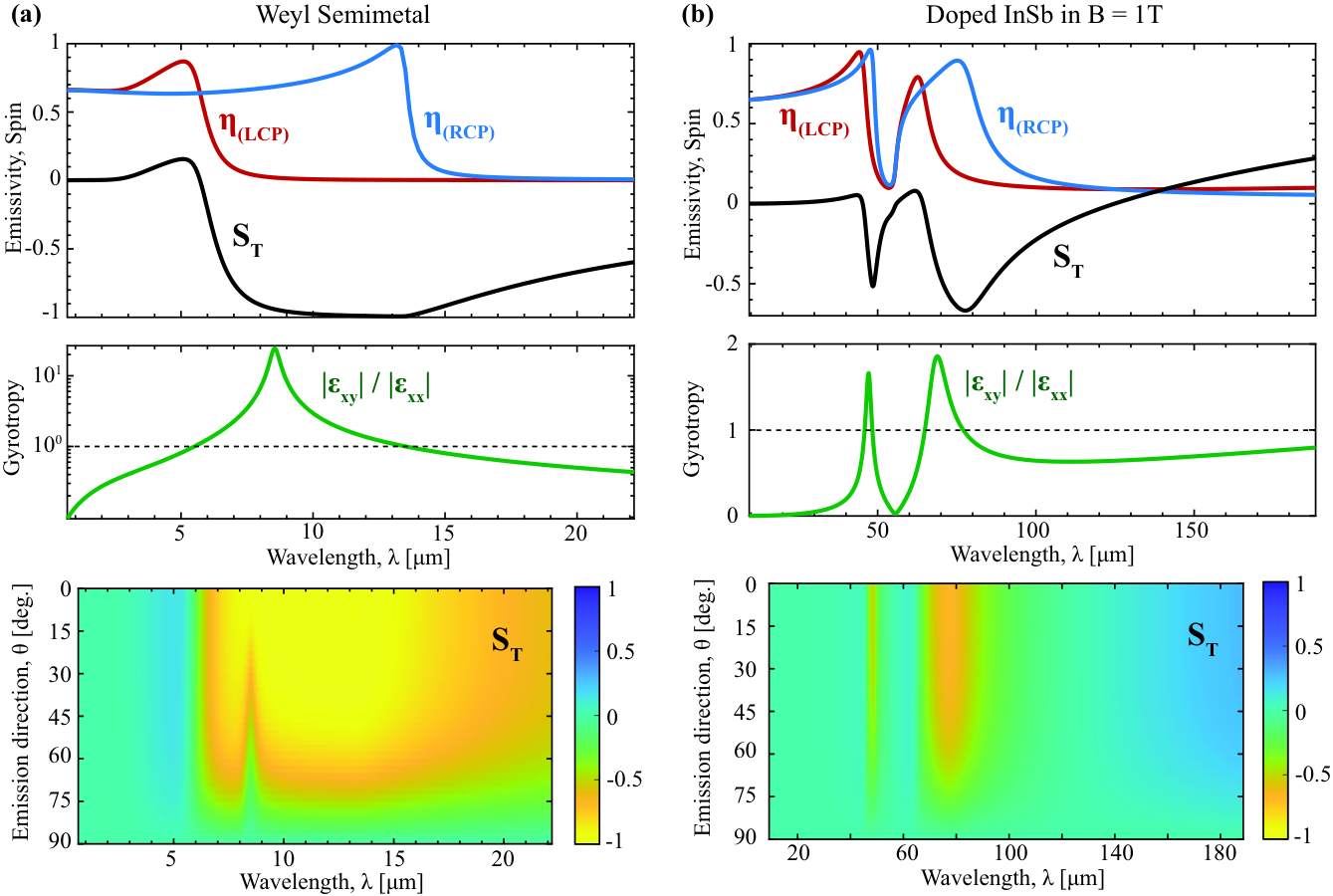
Researchers have demonstrated that magnetic Weyl semimetals, a class of topological materials, can emit broadband circularly polarized thermal radiation across mid- and long-wave infrared wavelengths. Using numerical simulations, the study shows that planar slabs of these materials produce high-purity circularly polarized emission over significant portions of their emission solid angle, with the effect arising from the materials' strong infrared gyrotropy and nonreciprocity. The spectral bandwidth of circularly polarized thermal emission increases with greater momentum separation between Weyl nodes in the band structure. The researchers also employed the thermal discrete dipole approximation computational method to demonstrate that finite-size bodies of magnetic Weyl semimetals can emit spectrally broadband circularly polarized light, though over smaller emission angles than planar configurations. This discovery opens technological prospects for engineering thermal radiation and designing efficient circularly polarized light sources, with applications in infrared chiral spectroscopy and thermal imaging polarimetry under low-visibility conditions, addressing a gap in the relatively unexplored mid- and long-wave infrared range.
Share on
Engineered Exosomes as Advanced Drug Delivery Systems for Cancer Therapy
brieflands.com
Sept. 9, 2026, 1:06 p.m.
Cancer treatment faces significant limitations from systemic toxicity, poor tumor targeting, and drug resistance. Engineered exosomes—naturally occurring nanoparticles between 30 and 150 nanometers—have emerged as promising drug delivery vehicles due to their biocompatibility, low immunogenicity, and ability to cross biological barriers including the blood-brain barrier. A comprehensive review examining 32 peer-reviewed studies from January 2015 to April 2026 analyzed recent advances in exosome engineering for targeted anticancer therapy. Researchers evaluated surface-engineering strategies such as PEGylation, RGD, and GE11 modification alongside drug-loading methods including electroporation, sonication, incubation, and extrusion. Engineered exosomes successfully delivered chemotherapeutics like doxorubicin and paclitaxel, as well as nucleic acids, CRISPR/Cas9 components, and natural compounds such as celastrol and curcumin. While preclinical studies demonstrated improved tumor specificity and therapeutic efficacy, significant challenges persist: low loading efficiency, batch-to-batch variability, and lack of standardized production protocols. Emerging solutions including microfluidics-based production, immunomodulatory engineering, and artificial intelligence-assisted ligand design offer potential pathways to clinical translation and may substantially improve cancer treatment outcomes.
Share on

Crowdfunding for innovation: a comprehensive empirical review
link.springer.com
Sept. 5, 2026, 1:22 p.m.
Crowdfunding has emerged as a transformative alternative to traditional innovation financing. Limitations of conventional funding sources have led to increased interest in alternative financing mechanisms. Crowdfunding, leveraging online platforms, has democratized access to capital, enabling entrepreneurs to develop products and services that align with broader population needs. This paper surveys the literature, demonstrating how crowdfunding platforms have opened doors to capital for entrepreneurs who might otherwise have found it challenging to secure funding through established channels. While crowdfunding's impact on innovation is multifaceted and contingent on factors like innovation type, entrepreneur quality, and regulatory frameworks, its growth trajectory remains robust, solidifying its significance as a source of entrepreneurial finance.
Share on