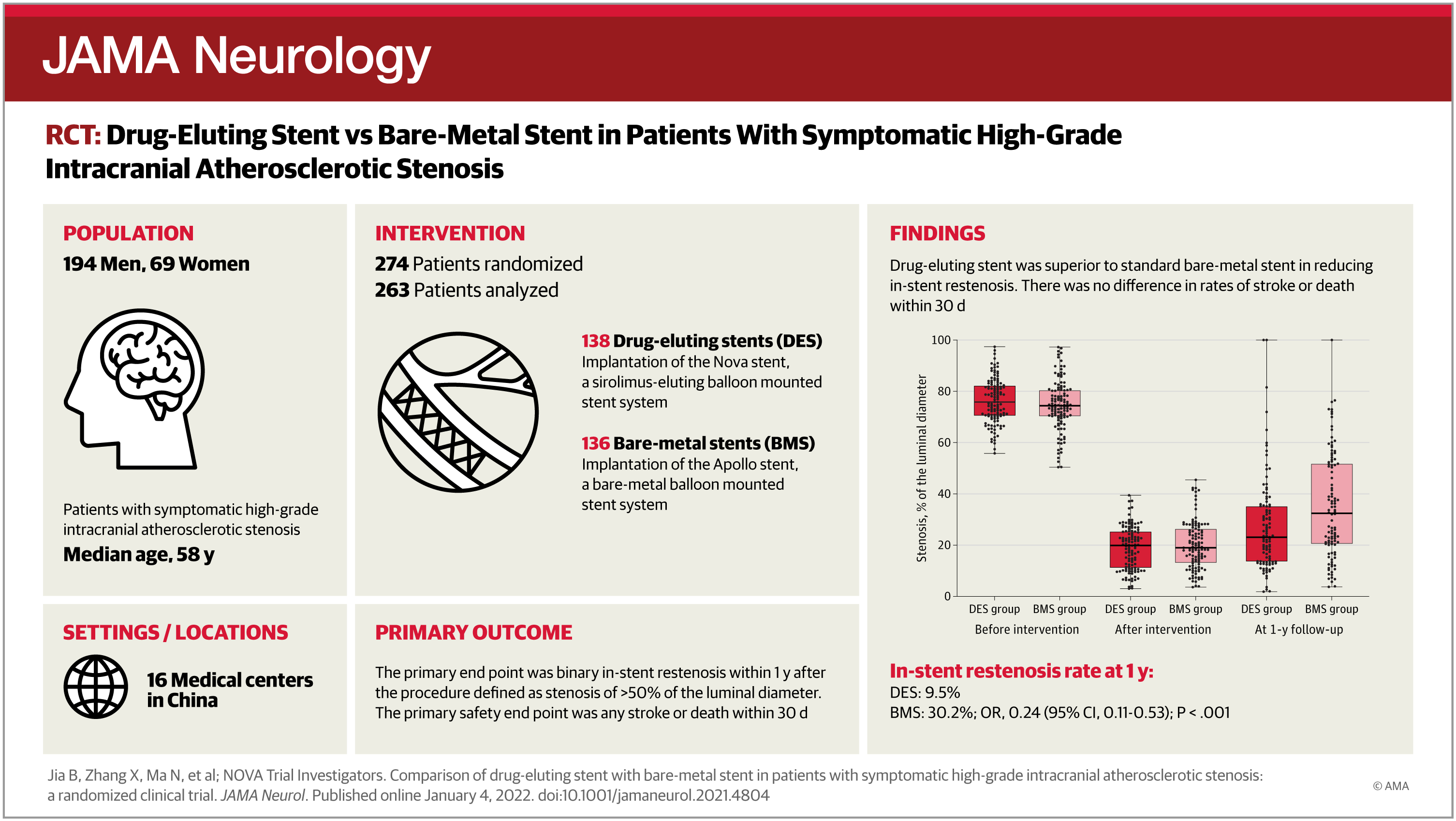
Drug-Eluting Stent vs Bare-Metal Stent in Patients With Symptomatic High-grade ICAS
jamanetwork.com
Aug. 10, 2026, 12:31 p.m.
Intracranial atherosclerotic stenosis (ICAS) is one of the most common causes of stroke worldwide, accounting for 8% to 10% of strokes in North America and 30% to 50% of strokes in Asia.1-5 The current recommended strategy for stroke prevention in patients with ICAS is standard medical therapy.6 In recent years, standard medical therapy has substantially reduced stroke recurrence in patients with ICAS.4,7,8 However, a subset of patients are at a high risk for stroke recurrence despite medical treatment.9,10 For instance, patients with border zone infarcts and impaired collaterals in the Stenting and Aggressive Medical Management for Preventing Recurrent Stroke in Intracranial Stenosis (SAMMPRIS) trial had a 37% 1-year stroke recurrence rate.11
Share on
Mechanical Modeling of Braided Neurovascular Flow Diverters using a Beam-to-Beam and Beam-to-Surface Contact Formulation
arxiv.org
Aug. 9, 2026, 11:01 a.m.
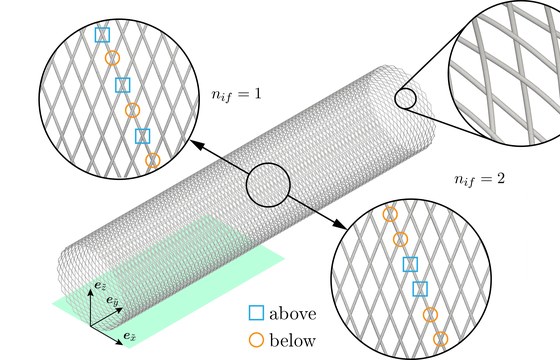
In this work, a finite element–based modeling framework for the mechanical simulation of braided neurovascular FDs has been developed. The approach combines a geometrically exact Simo–Reissner beam formulation with a comprehensive contact treatment to capture the interactions between the wires of a FD and its contact interaction with a MC. A parametric description of interwoven braided FDs was introduced, enabling the generation of different braiding patterns in a geometrically consistent manner. Beam-to-beam contact was utilized to ensure kinematic consistency of the braided structure, while the frictionless beam-to-surface contact allows realistic interaction with surrounding tubular structures such as MC s or crimping devices.
Share on
Flow Diverter Stents for Recurrent Intracranial Aneurysms after Stent-Assisted Coil Embolization: Safety, Efficacy, and Technical Considerations—A Com …
www.jstage.jst.go.jp
Aug. 9, 2026, 11 a.m.
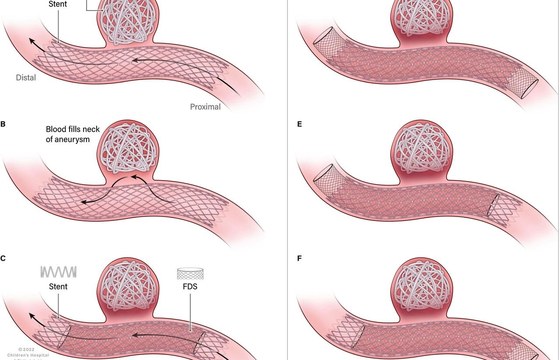
Based on the available retrospective evidence, FDS treatment represents a technically feasible salvage option for post-SAC recurrent aneurysms with an acceptable complication profile in experienced centers; however, conclusions about superiority over alternative retreatment strategies and its role as the preferred modality are premature in the absence of prospective comparative data. Meticulous microwire navigation, appropriate FDS sizing, and rigorous dual antiplatelet therapy management may be essential for optimal outcomes.
Share on
Long-term Outcomes of Flow Diverters for Branch-Incorporated Aneurysms
www.ajnr.org
Aug. 9, 2026, 10:58 a.m.
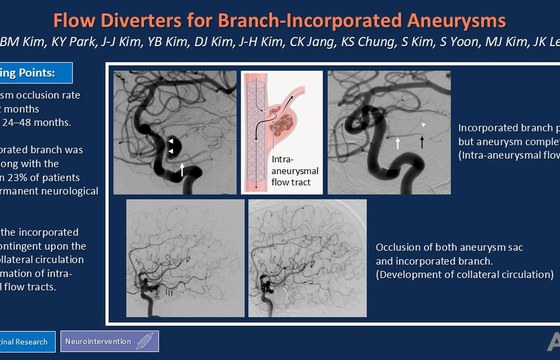
FD for branch-incorporated aneurysms demonstrated a low aneurysm occlusion rate in the short- to intermediate-term (6–12 months). However, long-term occlusion rates were comparable with those reported in the literature. In 23% of patients, the incorporated branches were occluded along with the aneurysm; none of these resulted in a permanent neurologic deficit.
Share on
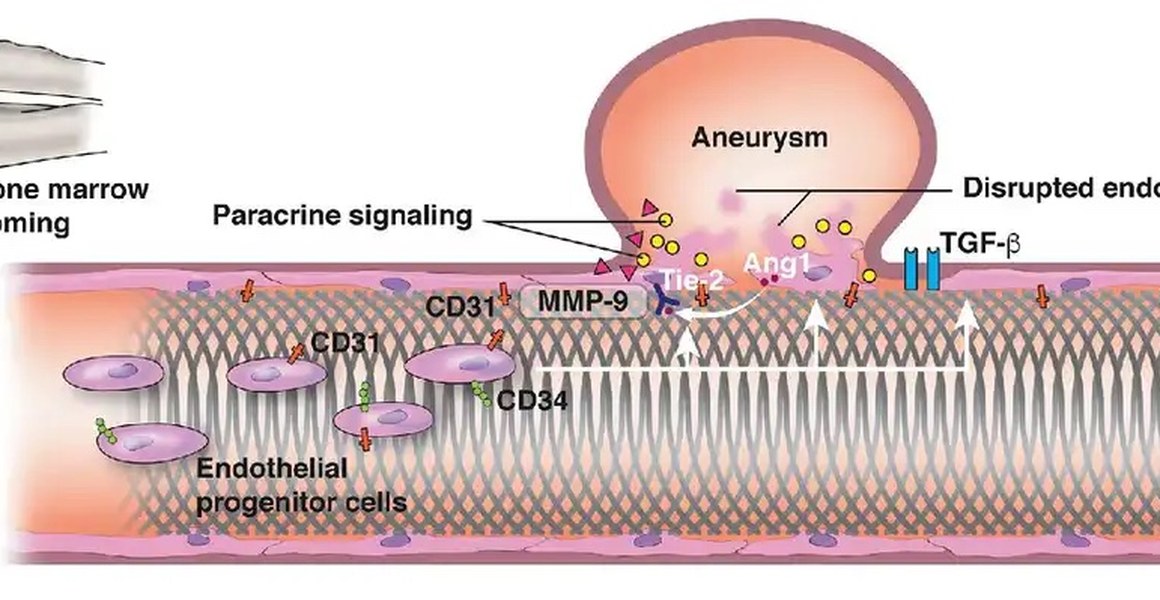
Mechanism of Action and Biology of Flow Diverters in the Treatment of Intracranial Aneurysms
www.ovid.com
Aug. 9, 2026, 10:13 a.m.
Flow diverters have drastically changed the landscape of intracranial aneurysm treatment and are now considered first-line therapy for select lesions. Their mechanism of action relies on intrinsic alteration in hemodynamic parameters, both at the parent artery and within the aneurysm sac. Moreover, the device struts act as a nidus for endothelial cell growth across the aneurysm neck ultimately leading to aneurysm exclusion from the circulation. In silico computational analyses and investigations in preclinical animal models have provided valuable insights into the underlying biological basis for flow diverter therapy. Here, we review the present understanding pertaining to flow diverter biology and mechanisms of action, focusing on stent design, induction of intra-aneurysmal thrombosis, endothelialization, and alterations in hemodynamics.
Share on
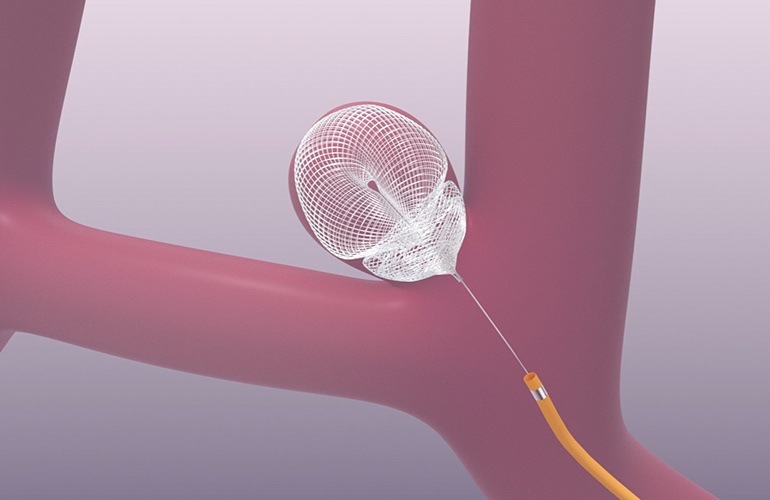
Galaxy Therapeutics’ SEAL Embolization System Gains CE Mark
evtoday.com
Aug. 8, 2026, 12:46 p.m.
Galaxy Therapeutics has received CE Mark approval for its SEAL embolization system under the European Medical Device Regulation.
The device is intended for the endovascular treatment of ruptured and unruptured wide-neck intracranial aneurysms measuring 2 to 19 mm.
The company plans a phased commercial launch in Europe while its FDA premarket approval application remains under review.
Share on
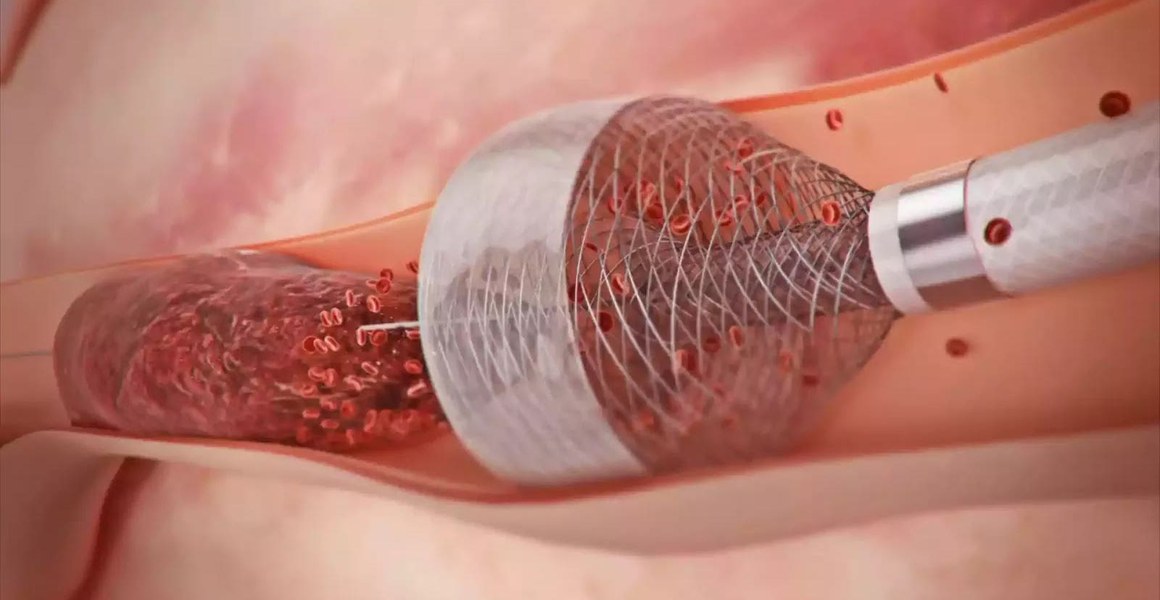
Mechanical Thrombectomy for Stroke: How Stent Retrievers and Aspiration Work
invamed.com
Aug. 8, 2026, 4:23 a.m.
Mechanical thrombectomy represents a landmark advancement in acute ischemic stroke treatment, physically removing clots from large brain arteries to restore blood flow far more effectively than clot-dissolving drugs alone. When major intracranial arteries like the middle cerebral or internal carotid artery are blocked, approximately two million neurons die each minute, making speed critical in stroke care. Two primary techniques dominate the field: stent retrievers, which are self-expanding mesh devices deployed through a microcatheter to capture and withdraw clots, and aspiration-first approaches that use large-bore catheters to suction clots directly. Landmark 2015 trials established mechanical thrombectomy as standard care for eligible large-vessel occlusion patients, with subsequent studies expanding time windows for treatment. The techniques are frequently combined using the Solumbra method when single approaches fail to achieve first-pass reperfusion. Devices like INVAMED's KinG stent retriever and DOVI aspiration catheter exemplify current technology. Success depends critically on achieving rapid arterial access from the groin or wrist through the aortic arch to reach occluded vessels, with treatment windows now extending beyond initial expectations for appropriately selected patients.
Share on
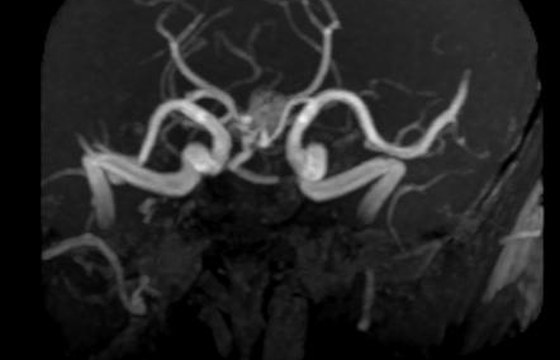
Ruptured saccular aneurysm
radiopaedia.org
Aug. 5, 2026, 3:17 p.m.
Ruptured saccular (berry) aneurysms usually result in subarachnoid hemorrhage (SAH) but can, depending on the location of the rupture and presence of adhesions to the aneurysm, also result in cerebral hematoma, subdural hematoma, and/or intraventricular hemorrhage.
Share on
Pipeline for Uncoilable or Failed Aneurysms: Results from a Multicenter Clinical Trial
pubs.rsna.org
Aug. 5, 2026, 3:17 p.m.
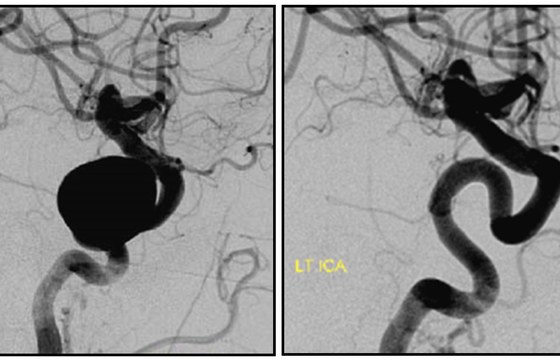
PED offers a reasonably safe and effective treatment of large or giant intracranial internal carotid artery aneurysms, demonstrated by high rates of complete aneurysm occlusion and low rates of adverse neurologic events; even in aneurysms failing previous alternative treatments.
Share on
Biomimetic hydrogel design strategies for vascular grafts
www.frontiersin.org
Aug. 5, 2026, 1:22 p.m.
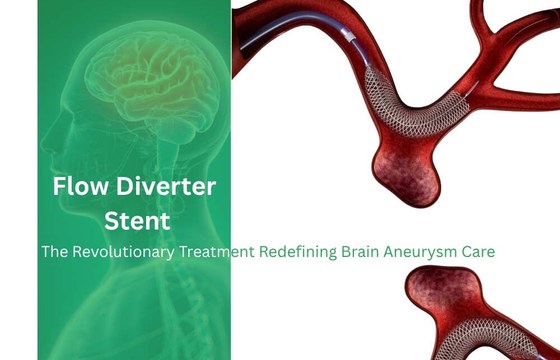
Researchers have developed biomimetic hydrogel design strategies to advance the creation of vascular grafts and vascularized tissue constructs. This review, published in Frontiers in Bioengineering and Biotechnology by Tong, Chen, Li, and Zhao, examines how hydrogel materials can mimic natural blood vessel properties to enhance tissue engineering applications. The work focuses on biomimetic materials that promote physiological neovascularization—the natural formation of new blood vessels—within engineered tissue scaffolds. By incorporating design principles from native vascular tissue, these hydrogels aim to improve graft integration, biocompatibility, and functional performance. This research is significant for regenerative medicine, as developing effective vascular grafts remains a critical challenge in treating cardiovascular diseases and tissue reconstruction. The biomimetic approach offers promising potential to create blood vessel prostheses that function more like native tissue, potentially reducing rejection rates and improving long-term clinical outcomes for patients requiring vascular interventions or tissue replacement therapies.
Share on
Modular Robotic Catheters for Endovascular Aneurysm Repair
arxiv.org
Aug. 5, 2026, 1:22 p.m.
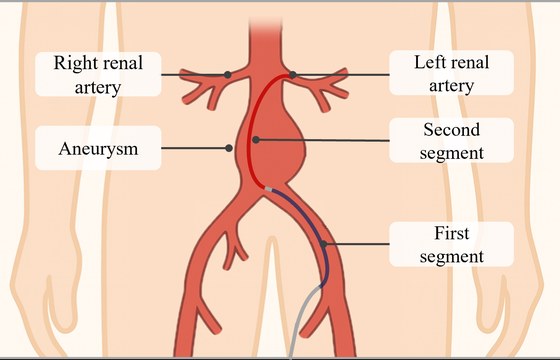
Fenestrated and branched endovascular aneurysm repair (FEVAR/BEVAR) procedures address thoraco-abdominal aortic aneurysms in patients over 60, but surgeons face significant challenges navigating standard catheters through aortic branches to deploy stent grafts while preserving blood flow to vital organs. This work presents a novel solution: a modular, steerable robotic catheter system featuring a two-segment design with four degrees of freedom to enhance surgical dexterity. The catheter was fabricated using thermal fiber drawing, a high-throughput technique for creating high-aspect ratio devices, followed by laser micro-machining to soften the tip. Researchers developed an expandable, tendon-driven actuation platform to manage system redundancies. Evaluation through simulation and in-vitro vascular phantom experiments demonstrated the catheter's bending stiffness and steerability. Given that cardiovascular disease caused 19.8 million deaths globally in 2022, minimally invasive endovascular solutions are critical. This handheld robotic catheter system promises to reduce procedural time, lower complication rates, and enable clinicians to manage complex anatomical cases previously considered challenging.
Share on
DISCOUNT
criticalcarereviews.com
Aug. 5, 2026, 1:22 p.m.
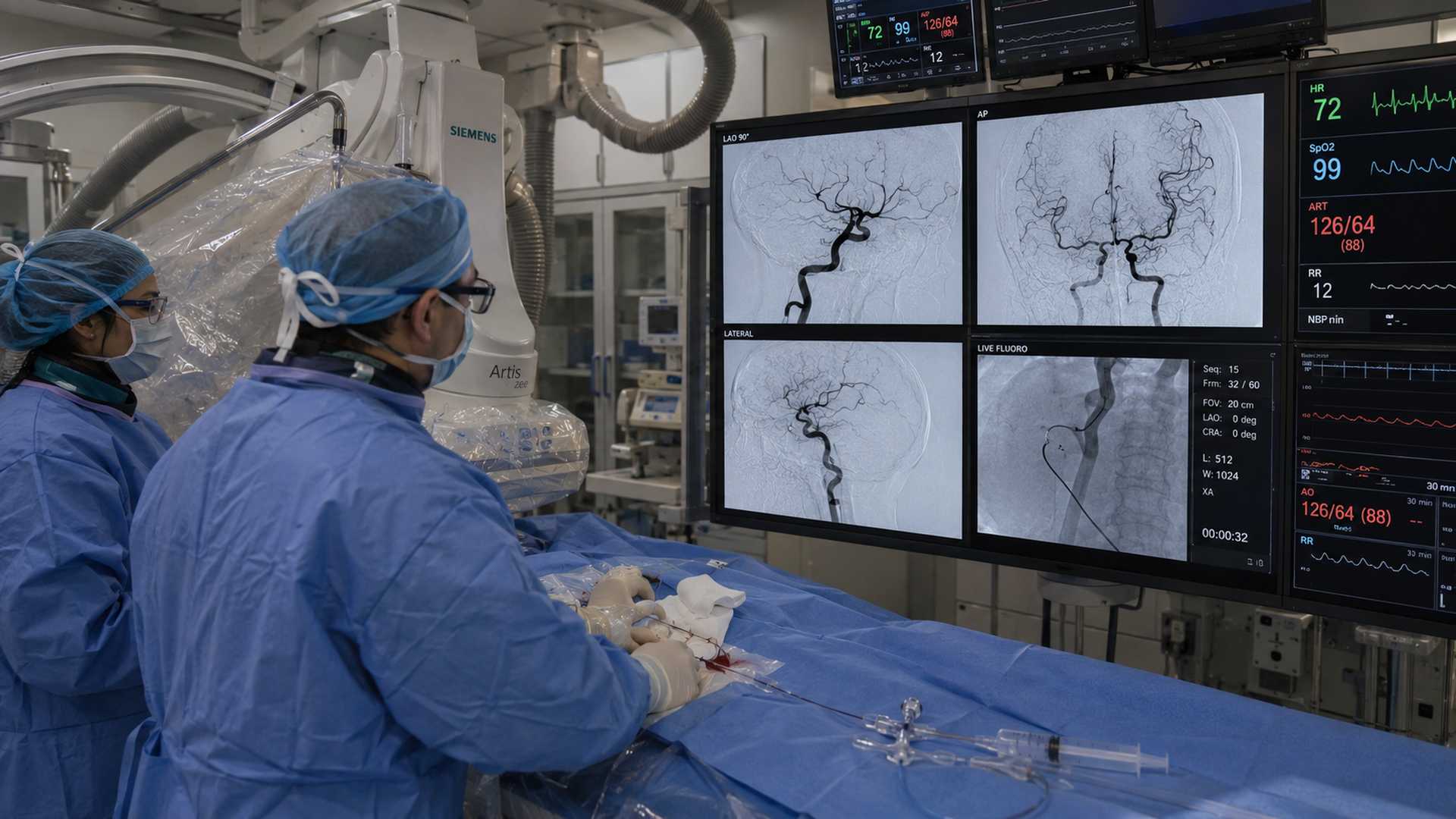
The DISCOUNT randomized clinical trial evaluated mechanical thrombectomy for ischemic stroke patients with medium or distal arterial occlusions. Conducted by Clarençon and colleagues across European stroke centers, the trial was terminated early after an interim analysis of 163 patients when the independent data safety monitoring board identified concerning findings. Of 261 randomized patients (244 in full analysis), thrombectomy demonstrated numerically lower efficacy than the control treatment, with symptomatic intracranial hemorrhage occurring more frequently in the intervention group and conditional power falling below ten percent. The trial's conclusions represent a significant practice shift, demonstrating that successful rechanalization of smaller distal vessels such as M2/M3, anterior cerebral artery, or posterior cerebral artery occlusions does not justify invasive thrombectomy procedures when functional outcomes remain absent and hemorrhagic risks increase. Alongside companion trials DISTAL and ESCAPE-MeVO, DISCOUNT redirects clinical practice toward selective, phenotype-informed patient selection based on deficit severity, vascular anatomy, imaging characteristics, thrombolysis response, and procedural risk assessment rather than routine vessel-based intervention approaches, particularly in functionally independent older patients with moderate deficits in well-resourced European stroke systems.
Share on
Galaxy Therapeutics’ SEAL Embolization System Gains CE Mark - Endovascular Today
evtoday.com
Aug. 5, 2026, 1:22 p.m.
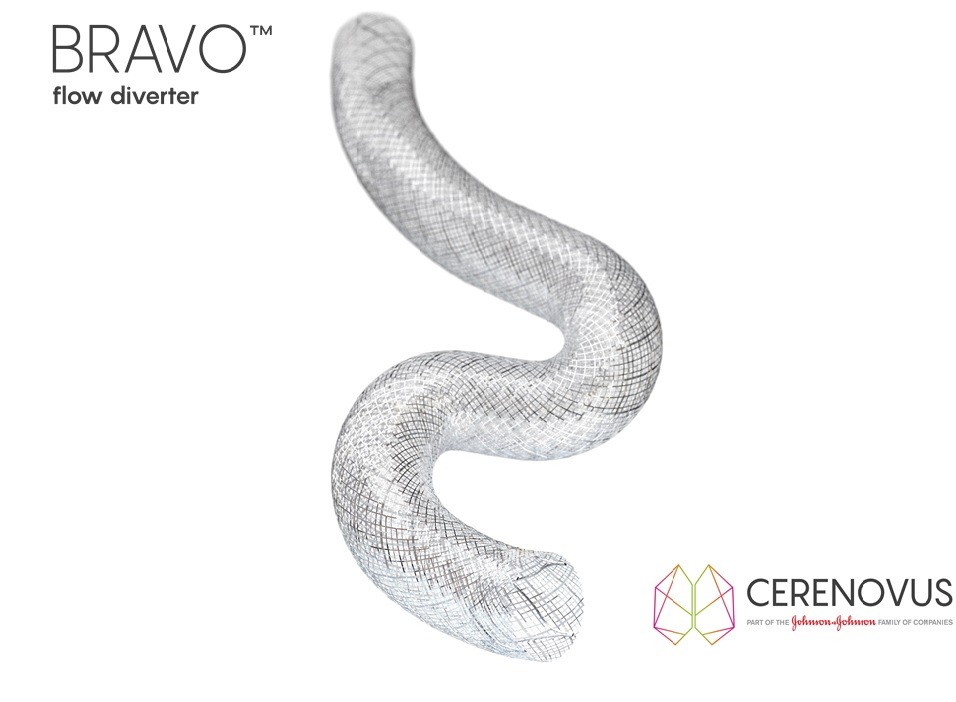
Galaxy Therapeutics announced CE Mark approval for its SEAL (saccular endovascular aneurysm lattice) embolization system, a novel device designed for treating ruptured and unruptured wide-neck intracranial aneurysms. The approval, granted under the European Medical Device Regulation 2017/745 following assessment by notified body DQS Medizinprodukte GmbH, enables phased commercial introduction across selected European markets. The SEAL system utilizes an intrasaccular approach to simplify aneurysm treatment across complex anatomies, accommodating aneurysm sizes from 2 to 19 millimeters—a broader range than competing intrasaccular technologies. The approval culminates several years of development, engineering, manufacturing, and clinical investigation, including Galaxy's international clinical programs and the pivotal SEAL IT trial in the United States. Galaxy continues pursuing FDA premarket approval. Chief Medical Officer Michael Alexander emphasized that SEAL addresses significant physician challenges in treating complex intracranial aneurysms and expands treatment options for European patients. The approval represents meaningful progress in expanding therapeutic alternatives for this critical patient population.
Share on
Endovascular Thrombectomy Indications: Linking To And Excerpting From Stroke's "Guidelines in Action: Getting to the (Large) Core of the (T)Issue" - Tom Wade MD
www.tomwademd.net
Aug. 5, 2026, 1:21 p.m.
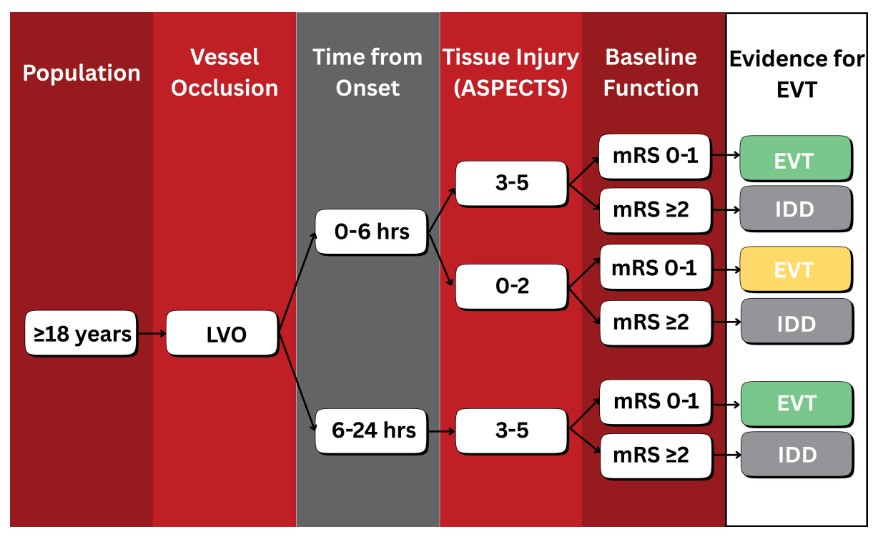
A 65-year-old man with hypertension and atrial fibrillation presented to the emergency department approximately 12.5 hours after experiencing falls and slurred speech at home. Clinical examination revealed right middle cerebral artery syndrome with a National Institutes of Health Stroke Scale score of 9, characterized by right gaze preference, left facial droop, mild arm and leg drift, sensory deficits, and dysarthria. Computed tomography imaging identified early ischemic changes in the right middle cerebral artery territory with an Alberta Stroke Program Early Computed Tomography Score of 5, while CT angiography confirmed a distal M1 segment large vessel occlusion. CT perfusion imaging quantified the infarct core at 46 milliliters with 119 milliliters of penumbra. The patient underwent endovascular thrombectomy, achieving Thrombolysis in Cerebral Infarction 2b reperfusion. This case exemplifies current clinical decision-making regarding EVT candidacy in acute ischemic stroke, illustrating how multimodal imaging integrates with clinical presentation to guide intervention strategies and optimize patient outcomes in large vessel occlusion management.
Share on

Advanced Hemocompatible Coatings Engineered to Reduce Thrombus Formation
www.surmodics.com
Aug. 1, 2026, 4:22 a.m.
Hemocompatible coatings represent a critical strategic consideration in medical device development, with choices between heparin and non-heparin formulations, short-dwell versus implantable applications, and animal-derived or synthetic materials each carrying distinct clinical, regulatory, and manufacturing implications. Rather than treating coating selection as a final specification, leading companies like Surmodics recognize that early-stage engagement during the feasibility phase is essential. Decisions made during initial development stages directly influence validation approaches, regulatory defensibility, and long-term clinical durability. The optimal coating system for any given device emerges from a structured evaluation of clinical use requirements, intended dwell time, substrate compatibility, and regulatory pathway—an approach that typically yields solutions different from first-considered options. This strategic methodology ensures that coating selection aligns comprehensively with the device's clinical profile and regulatory requirements, ultimately determining successful commercialization and sustained clinical performance.
Share on
Multicentre study indicates WEB flow disrupters can safely be used in sidewall aneurysms
neuronewsinternational.com
Aug. 1, 2026, 4:21 a.m.
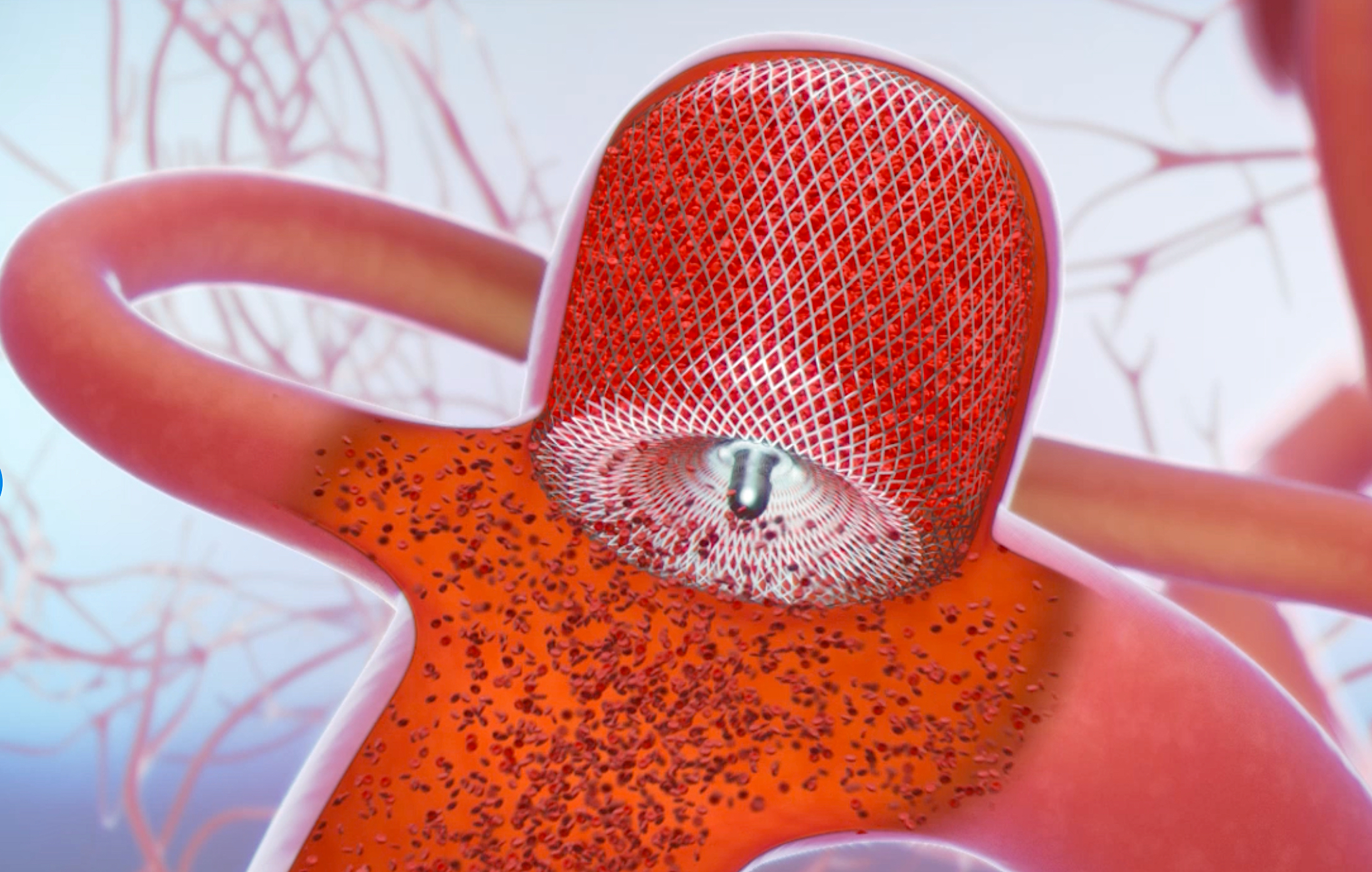
A multicentre retrospective study published in Radiology demonstrates that the Woven EndoBridge (WEB) intrasaccular flow disruption device, manufactured by Microvention/Terumo, can be safely extended beyond its FDA-approved use in wide-neck bifurcation aneurysms to treat sidewall intracranial aneurysms. Led by Nimer Adeeb and Adam Dmytriw, the WorldWideWEB Consortium analysed 683 intracranial aneurysms across 671 patients treated at 22 academic institutions globally between January 2011 and June 2021. The study compared 91 matched pairs of bifurcation and sidewall aneurysms using propensity score matching. Results revealed no significant differences in deployment success, complication rates, procedure duration, or adjunctive coil use between groups. While sidewall aneurysms achieved higher immediate adequate occlusion rates (66.1% versus 43.3%), long-term outcomes were equivalent (89% versus 85%), with retreatment rates of 10.9% and 7.2% respectively. These findings support expanding WEB device indications to sidewall lesions when location, neck angle, and size are properly characterized.
Share on
Millisecond magnetic particle imaging of a cerebral aneurysm phantom with and without flow diverter stent - Communications Engineering
www.nature.com
Aug. 1, 2026, 4:21 a.m.
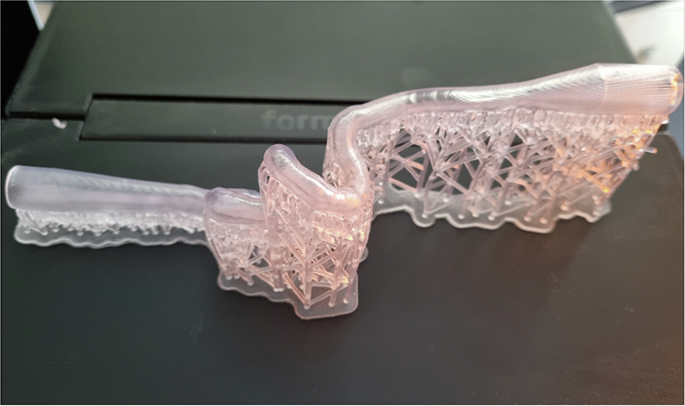
Cerebral aneurysms, characterized by localized arterial wall dilation in the brain, pose significant risks of rupture and life-threatening hemorrhage. Researchers demonstrated the potential of Magnetic Particle Imaging (MPI) for detecting and monitoring aneurysms and their treatment. Using patient-specific CT-derived artery phantoms containing cerebral aneurysms, the team employed MPI with millisecond temporal resolution to track magnetic nanoparticle (MNP) tracer boluses through vascular structures. They compared flow measurements in untreated aneurysm models with those treated using flow diverter stents, which redirect blood flow away from the aneurysm to promote clot formation and occlusion. MPI's exceptional temporal and spatial resolution enabled detailed hemodynamic analysis and quantification of flow changes before and after stent placement. These findings highlight MPI's promising capabilities for non-invasive assessment of aneurysm status and treatment efficacy, offering valuable insights for future clinical applications in evaluating both untreated and stent-treated cerebral aneurysms in patient populations.
Share on
A new era in the treatment of wide necked bifurcation aneurysms: Intrasaccular flow disruption
pmc.ncbi.nlm.nih.gov
Aug. 1, 2026, 4:21 a.m.
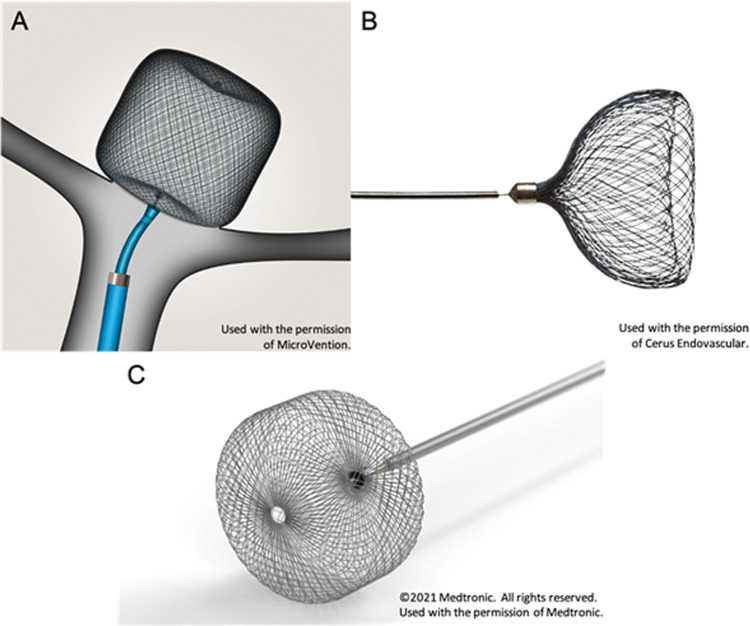
Wide-necked bifurcation aneurysms (WNBAs)—lesions with a neck exceeding 4 mm or an aspect ratio below 1.6—present significant endovascular treatment challenges due to coil prolapse risks and the need to protect two vessels simultaneously. Traditional approaches including balloon-assisted coiling, stent placement, and flow diversion have limitations and increased procedural complexity. Three innovative intrasaccular devices now offer promising alternatives at various approval stages globally: the Woven EndoBridge (WEB) by MicroVention, the Artisse Embolization Device by Medtronic, and the Contour Neurovascular System by Cerus Endovascular. These devices employ fine mesh overlays at the aneurysm neck to decelerate blood inflow, promoting thrombosis and healing while excluding the lesion from circulation. Recent studies demonstrate encouraging safety profiles and short-term success rates, though long-term occlusion data continues to accumulate. These intrasaccular flow disruption technologies represent a transformative approach to managing previously difficult WNBAs, potentially reducing procedural complications while improving clinical outcomes.
Share on
Discharge advice following clipping of a cerebral aneurysm
www.uhcw.nhs.uk
July 29, 2026, 1:25 p.m.
# Professional Summary
This clinical guidance document addresses post-operative discharge advice for patients following cerebral aneurysm clipping, a surgical procedure in which an aneurysm is secured using a metal clip to prevent rupture. The article provides comprehensive recommendations for managing patients in the immediate post-operative period and during their recovery at home. Key aspects covered include activity restrictions, medication management, symptom monitoring, and follow-up care protocols that patients should observe after undergoing aneurysm clipping surgery. The guidance emphasizes the importance of patient education regarding warning signs of complications, such as increased headache, vision changes, or neurological deterioration, which may indicate post-operative issues requiring immediate medical attention. This resource is significant for neurosurgical teams, discharge planners, and primary care providers involved in supporting aneurysm patients' recovery trajectories, ensuring consistent, evidence-based post-operative management that optimizes patient outcomes and reduces readmission rates following this critical neurosurgical intervention.
Share on
Lacunar Stroke
www.ncbi.nlm.nih.gov
July 29, 2026, 1:25 p.m.
Lacunar stroke management follows standard acute ischemic stroke protocols, prioritizing medical stability and thrombolysis eligibility assessment. Intravenous thrombolysis using tissue plasminogen activator (tPA) remains the mainstay treatment when administered within 4.5 hours of symptom onset. Tenecteplase has emerged as the preferred thrombolytic agent based on phase 3 trials demonstrating noninferiority to alteplase with simpler single-bolus administration, as endorsed by the 2026 AHA/ASA guidelines. Alteplase remains an alternative option. For patients with salvageable ischemic penumbra detected on CT/MRI perfusion imaging who present within nine hours of symptom onset, intravenous thrombolysis is recommended. Antiplatelet therapy should be delayed 24 hours post-thrombolysis pending neuroimaging confirmation of no intracranial hemorrhage. The ongoing LAC-3 trial is evaluating cilostazol and isosorbide mononitrate efficacy for preventing adverse outcomes in small vessel lacunar stroke. Mechanical thrombectomy indications have expanded beyond the traditional six-hour window to 16-24 hours, supported by the DAWN and DEFUSE 3 trials, utilizing advanced CT or MRI perfusion imaging for candidate selection.
Share on